Share Thassos with friends and start planning your trip together.
How to get to Thassos
Have a great tip for Thassos or another alternative to popular destinations?
Share your thoughts on Thassos or suggest another authentic alternative to popular destinations. Your tips help others rediscover their love of travelling - while giving popular destinations a little room to breathe.
Please help us keep all core features free to use by using these affiliate links!
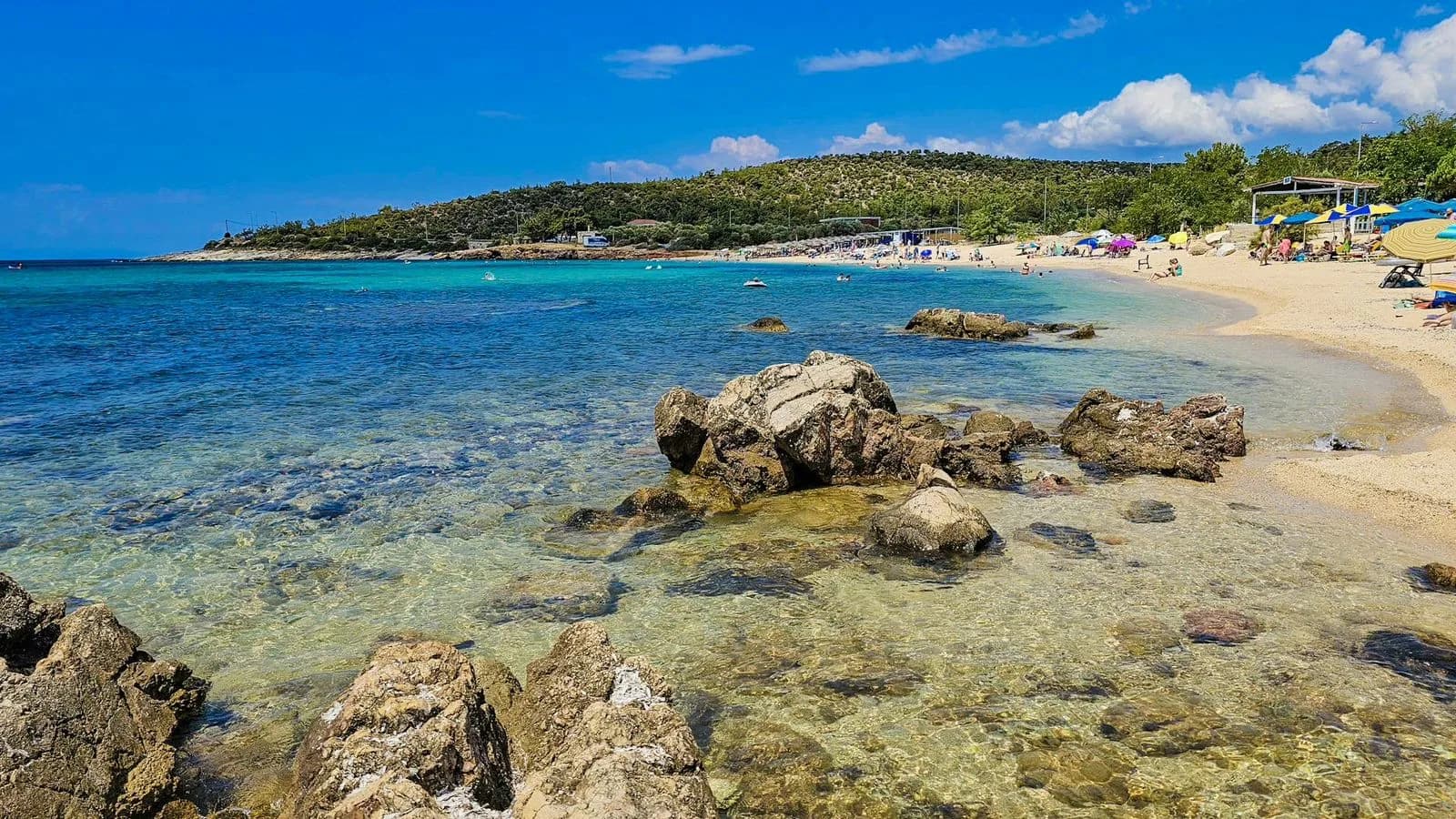
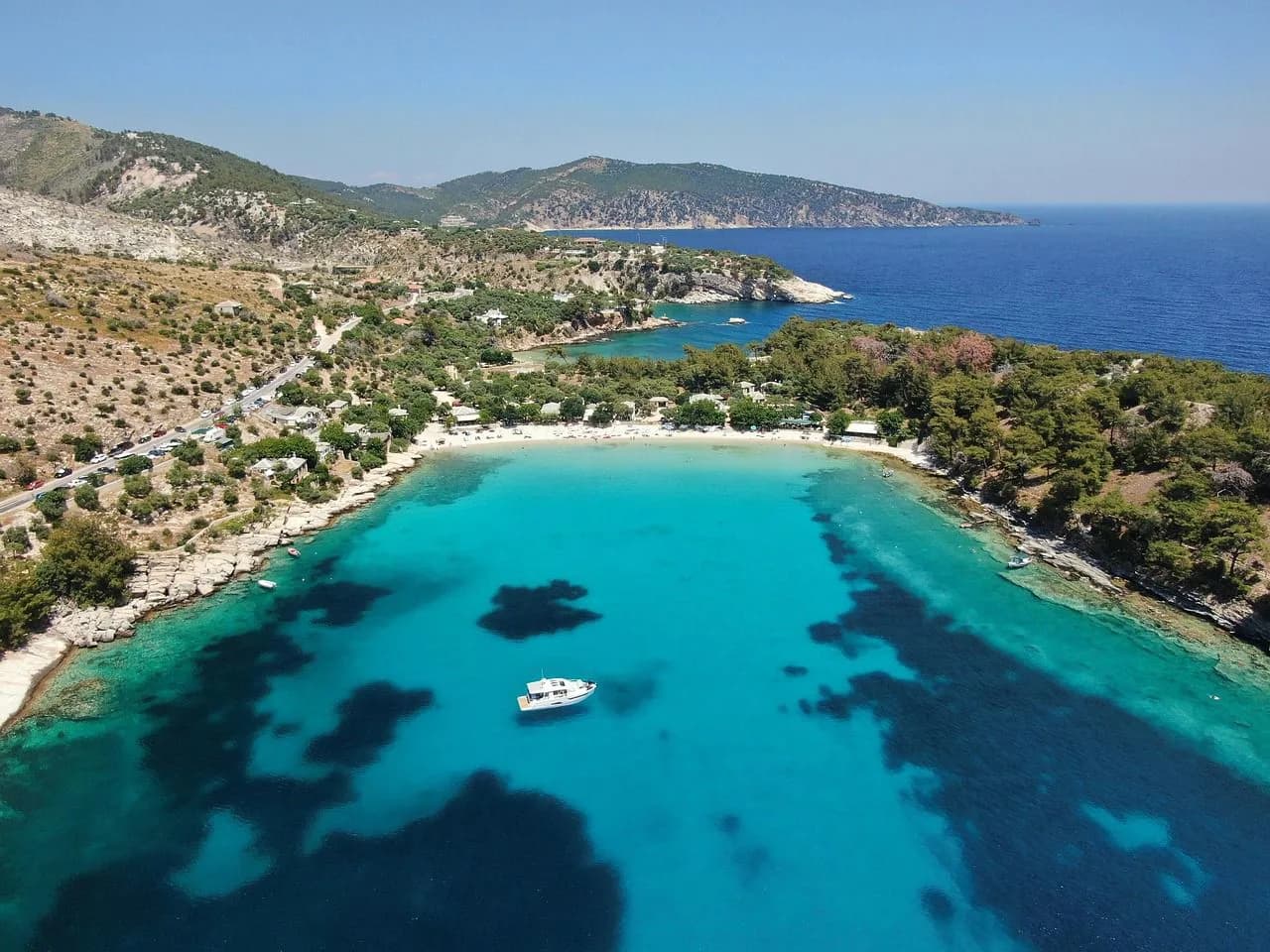
Thassos is perfect for travellers who want dazzling beaches with authentic Greek character rather than glossy resort vibes. From family‑friendly sands to wild coves and ancient marble shores, the island packs huge variety into one easy coastal loop. Expect clear, shallow waters, fair prices, and a relaxed feel that’s more genuine than the headline islands.
History lovers: Swim beside ancient quarries at Alyki, spot submerged marble blocks, and pair a beach day with early Christian basilica ruins.
Scenery seekers: Capture surreal turquoise against white pebbles at Saliara (Marble Beach), the rock lagoon Giola, and pine-framed Golden Beach.
Active travellers: Mix coastal hikes, snorkelling over pebble coves, and water taxis to remote spots like Arsanas—no long transfers needed.
Beach-loving families: Paddle safely on the long, shallow sands of Golden Beach and Paradise Beach, with Blue Flag waters and full facilities.
Peace-seekers: Find space and silence at low-key coves like Salonikios, Livadi, and Skidia, far from beach-bar noise and crowds.
Night owls & socialisers: Base in for lively beach bars and music at —more laid-back than yet buzzing in summer.
Day 1: Limenas heritage and the golden east
Ease into Thassos with a blend of history and easy swims. Base yourself around Limenas, then follow the coast to the island’s most family-friendly sands. Check the wind first thing; if a strong northerly is blowing, swap east-coast swims for southern coves.
Morning: Explore Limenas’ ancient agora and the Archaeological Museum, then drive 10 minutes to Makryammos for your first swim; there’s an entrance fee, shaded parking and calm, clear water. Tip: bring reef shoes if you’ll poke around the rocks; sea urchins are common.
Midday: Head to Golden Beach via Skala Panagia; settle into a sunbed set with minimum consumption or use the restored “free” sections after the towel-movement crackdowns. Shallow, warm water makes it ideal for a long, lazy lunch and a stand-up paddle.
Afternoon: Walk the soft-sand arc between Skala Panagia and Skala Potamia, or rent a kayak when the sea is glassy. If the Meltemi kicks up waves, switch to the lee side at Pefkari where conditions are usually calmer.
Evening: Sunset in Limenas’ harbour with mezze and a freddo; stroll the promenade and pick up supplies for tomorrow (large water, snacks, beach umbrella if you prefer “free” sections).
Day 2: Ancient marble shores and the south’s coves
Today blends archaeology with dramatic coastline. Start early at Alyki before the coaches, then work along the south-east where cliffs meet luminous coves. Keep footwear handy for rocky entries and bring cash for simple beach canteens.
Morning: Alyki: swim in the western bay and walk the easy loop around the peninsula to the ancient quarry and early Christian ruins; look for marble blocks visible under the water. Arrive before 10:00 for easy parking and the calmest sea.
By Air
There is no airport on Thassos.
Kavala International Airport (KVA, “Megas Alexandros”): closest option. About 12 km (15–20 minutes) by taxi or hire car to Keramoti port, then a 35–40 minute ferry to Limenas (Thassos Town). Year-round Athens flights and summer charters.
Thessaloniki Airport (SKG): major hub with extensive year-round connections. About 220–230 km (2.5–3 hours) by road to Keramoti, then ferry.
Alexandroupoli Airport (AXD): alternative regional gateway. About 140 km (1 hour 45 minutes) by road to Keramoti, then ferry.
By Ferry
Keramoti → Limenas (Thassos Town): the main, fastest route. Crossing 35–40 minutes; very frequent (every 30–45 minutes in summer, hourly or so off-peak). Car ferries and foot passengers. First/last sailings typically early morning to late evening; check current timetables.
Kavala → Skala Prinos: longer crossing (about 1 hour 15–1 hour 30), fewer daily departures. Convenient if staying on the west side of Thassos.
Tickets are sold at port kiosks; foot passengers usually do not need to pre-book. In July–August, arrive 30–45 minutes early with a vehicle.
By Bus
Thessaloniki to Kavala: KTEL intercity coaches from Macedonia Intercity Bus Station; about 2 hours 15 minutes to 2 hours 45 minutes. Connect in Kavala to a local KTEL bus to Keramoti (about 35–40 minutes), then ferry.
Thassos is a crowd-light, pine-fringed Aegean island where marble-white coves, ancient heritage and low-key villages deliver big experiences without the big-scene bustle.
Atmosphere: Relaxed island pace wrapped in forested hills and clear seas—family-friendly sands at Golden Beach and Paradise, with quiet, bohemian coves like Salonikios and spring-fed Arsanas; sunrise on the east, glowing sunsets on the west.
Authenticity: Working fishing villages and real Greek rituals—freddo coffees and tavli on the sand, sardine feasts in Skala Kallirachi, the Thassian Wedding in Theologos; swim beside antiquity at Alyki’s marble quarries or beneath the Archangel Michael Monastery.
Value & ease: Blue Flag waters and fair-priced tavernas serving local honey, olive oil and the day’s catch; sunbeds usually included with a modest spend; an easy ring road plus buses and water taxis (to Saliara/Marble Beach) keep exploring simple.
Why it’s a great alternative: All the Aegean drama—Giola’s natural pool, Makryammos’ serene bay and crystal-clear snorkelling—without mega-resorts, thumping beach clubs or shoulder-to-shoulder sands; more space, better prices and a genuinely Greek tempo.
Here are the unmissable highlights of Thassos, distilled from local knowledge and on-the-ground research. Use this list to experience the island’s signature beaches, history and natural wonders at their best.
Walk the golden crescent of Golden Beach at sunrise for shallow, family-friendly waters and pine-framed views.
Explore the twin coves and ancient marble quarries of Alyki, blending a swim with 2,700 years of history.
Visit Saliara (Marble Beach) or nearby Porto Vathy by water taxi to experience surreal turquoise over white marble pebbles.
Take a dip in Giola, the natural rock lagoon dubbed Aphrodite’s Tear, then unwind at Psili Ammos or Pefkari nearby.
Hike down to secluded Arsanas or along the southern tip to Salonikios for calm seas, snorkelling and spectacular sunsets.
Here are the unmissable highlights of Thassos, distilled from local knowledge and on-the-ground research. Use this list to experience the island’s signature beaches, history and natural wonders at their best.
Walk the golden crescent of Golden Beach at sunrise for shallow, family-friendly waters and pine-framed views.
Explore the twin coves and ancient marble quarries of Alyki, blending a swim with 2,700 years of history.
Visit Saliara (Marble Beach) or nearby Porto Vathy by water taxi to experience surreal turquoise over white marble pebbles.
Take a dip in Giola, the natural rock lagoon dubbed Aphrodite’s Tear, then unwind at Psili Ammos or Pefkari nearby.
Hike down to secluded Arsanas or along the southern tip to Salonikios for calm seas, snorkelling and spectacular sunsets.
Thassos cuisine is simple, fresh and shaped by the sea and pine-clad hills. Expect immaculate olive oil, fragrant honey, grilled seafood and unfussy taverna cooking. Slow coffee and shared meze set the relaxed island rhythm.
Throuba Thassos olives (PDO) – Naturally sun-cured, wrinkled black olives with a mellow, tangy-sweet flavour, finished with local olive oil and oregano. Best enjoyed as meze in village kafeneia or at casual harbour cafés.
Grilled octopus and sardines – Charcoal-grilled and doused with lemon, olive oil and oregano; octopus tender, sardines fresh and smoky (look for summer sardine festivals). Perfect in seaside tavernas and simple grills along Limenaria, Potos and Skala Kallirachi.
Pine honey & spoon sweets – Thick, aromatic pine honey and traditional spoon sweets (green walnut, fig) served over yoghurt or with coffee. Pick up jars at roadside stalls and local markets; linger at patisseries for a sweet pause.
Tsipouro with meze – A crisp grape spirit poured over ice, paired with small plates of seafood, cheeses and pickles; the quintessential social ritual. Sip slowly in relaxed bars and ouzeries on the waterfront in Limenas or Pefkari.
Choosing where to stay on Thassos is about picking the area that matches your style, not a specific hotel. Each coastline has a distinct vibe, from lively beach towns to quiet coves and historic hubs. Here are the best bases to consider:
Limenas (Thassos Town) — historic capital with ruins, museums and top dining; easy ferry access and buses make it ideal for first‑timers, non‑drivers and culture lovers.
Golden Beach (Skala Panagia & Skala Potamia) — 3 km of fine sand and shallow, family‑safe water, fully organised with watersports; best for beach‑first stays and sunrise walkers (very busy in August).
Potos & Limenaria — lively south‑coast hub with nightlife, beach bars and Pefkari watersports; suits younger travellers and social couples wanting energy and easy access to Psili Ammos and San Antonio.
Astris & Salonikios — quiet south‑tip coves with pine‑backed bays and sunset views; car essential, great for couples and nature lovers seeking chill beach bars and crowd‑free swims.
Choosing where to stay on Thassos is about picking the area that matches your style, not a specific hotel. Each coastline has a distinct vibe, from lively beach towns to quiet coves and historic hubs. Here are the best bases to consider:
Limenas (Thassos Town) — historic capital with ruins, museums and top dining; easy ferry access and buses make it ideal for first‑timers, non‑drivers and culture lovers.
Golden Beach (Skala Panagia & Skala Potamia) — 3 km of fine sand and shallow, family‑safe water, fully organised with watersports; best for beach‑first stays and sunrise walkers (very busy in August).
Potos & Limenaria — lively south‑coast hub with nightlife, beach bars and Pefkari watersports; suits younger travellers and social couples wanting energy and easy access to Psili Ammos and San Antonio.
Astris & Salonikios — quiet south‑tip coves with pine‑backed bays and sunset views; car essential, great for couples and nature lovers seeking chill beach bars and crowd‑free swims.
Thassos is an easy, low-stress Greek island to plan for, with good roads, frequent ferries and plenty of beaches to suit every style. A few practical details—season, transport and costs—help you make the most of it.
Affordability: Generally good value for Greece—taverna mains are about €10–16, coffees €4–5, beers €5–6, sunbeds are typically free with a €10–25 minimum spend for two, and summer double rooms often run €60–120 (less in shoulder seasons).
Transport: A car is best for beach-hopping the ring road, buses link main villages, water taxis/boat trips reach coves like Saliara, walking works within resorts but distances between beaches are longer, and year-round ferries connect from the mainland.
Language: Greek is the official language, but English is widely spoken in hotels, restaurants and on the beaches, with some signage also in German and Balkan languages.
Safety & comfort: Very safe for families and solo travellers—use common sense with belongings on crowded beaches, drive cautiously on dirt roads, wear sea shoes around rocky areas with urchins, protect against midday sun, and check wind direction (north winds can roughen east/north coasts while the south stays calm).
Crowds: June and September are sweet spots with warm seas and space; late July–August is peak with headline beaches filling by mid-morning (arrive early or book), while October–May is tranquil but many services are limited.
Thassos is an easy, low-stress Greek island to plan for, with good roads, frequent ferries and plenty of beaches to suit every style. A few practical details—season, transport and costs—help you make the most of it.
Affordability: Generally good value for Greece—taverna mains are about €10–16, coffees €4–5, beers €5–6, sunbeds are typically free with a €10–25 minimum spend for two, and summer double rooms often run €60–120 (less in shoulder seasons).
Transport: A car is best for beach-hopping the ring road, buses link main villages, water taxis/boat trips reach coves like Saliara, walking works within resorts but distances between beaches are longer, and year-round ferries connect from the mainland.
Language: Greek is the official language, but English is widely spoken in hotels, restaurants and on the beaches, with some signage also in German and Balkan languages.
Safety & comfort: Very safe for families and solo travellers—use common sense with belongings on crowded beaches, drive cautiously on dirt roads, wear sea shoes around rocky areas with urchins, protect against midday sun, and check wind direction (north winds can roughen east/north coasts while the south stays calm).
Crowds: June and September are sweet spots with warm seas and space; late July–August is peak with headline beaches filling by mid-morning (arrive early or book), while October–May is tranquil but many services are limited.
Seasonality on Thassos brings hot, busy summers, mellow shoulder months (with the sea warmest in September), and a quiet, closed-down winter. Wind matters: the Meltemi can roughen the north/east in July–August while the south stays calmer.
Shoulder Season (June & September): Warm to hot with reliable sunshine; sea especially warm in September; most places open, lighter crowds, relaxed vibe.
High Summer (late July–August): Hottest temperatures and strongest sun; headline beaches are crowded, sunbeds fill early; energetic, festive atmosphere, occasional waves on the north/east.
Off-season/Winter (October–May): Mild to cool and changeable; many facilities closed; tranquil, great for coastal walks and photography, winter swimming for the hardy.
Seasonality on Thassos brings hot, busy summers, mellow shoulder months (with the sea warmest in September), and a quiet, closed-down winter. Wind matters: the Meltemi can roughen the north/east in July–August while the south stays calmer.
Shoulder Season (June & September): Warm to hot with reliable sunshine; sea especially warm in September; most places open, lighter crowds, relaxed vibe.
High Summer (late July–August): Hottest temperatures and strongest sun; headline beaches are crowded, sunbeds fill early; energetic, festive atmosphere, occasional waves on the north/east.
Off-season/Winter (October–May): Mild to cool and changeable; many facilities closed; tranquil, great for coastal walks and photography, winter swimming for the hardy.
Potos
Psili Ammos
Mykonos
Midday: Drop to Arsanas for a spring-cooled dip; access is via a steep footpath below the Archangel Michael Monastery, so pack light and wear decent shoes. No facilities—bring water and a snack.
Afternoon: Time your visit to Giola for late afternoon when crowds thin and the rock isn’t scorching; the path is rough and slippery in flip-flops. Prefer sand and services? Aim for Psili Ammos or Pefkari for organised loungers and watersports.
Evening: Dinner in Potos and a post-meal stroll along San Antonio Beach. If you prefer mellow sunsets, drive 15 minutes to Salonikios for a quiet golden-hour swim with chill-out music at the low-key beach bar.
Day 3: Marble magic by boat, east-to-west island loop
See the northeast’s famous white-pebble coves by sea, then cross to the characterful west for history-tinged beaches and a big-sky sunset. The ring road is about 98 km; allow time for photo stops and slow, scenic driving.
Morning: Take a water taxi from Limenas to Saliara and Porto Vathy to avoid the rough quarry road and dust; boats typically run morning out/late afternoon back in high season. The marble pebbles get hot—sandals are essential, and the water turns a surreal turquoise on sunny days.
Midday: If winds swing southerly and the east is calmer, detour to Paradise Beach for body-boarding waves or lake-still paddles, depending on conditions; respect the discreet naturist corner at one end. Grab a simple beach lunch (cards aren’t always accepted—carry cash).
Afternoon: Drive to the west coast: swim at Metalia beneath the old ironworks ruins or choose roomy Trypiti for space even in August. West-side pebbly strands like Skidia have exceptionally clear water when you want near-solitude.
Evening: End with a picnic sunset at Salonikios or dinner in Limenaria’s seafront tavernas. Tip: lifeguards are mostly on Blue Flag hubs only; plan swims earlier in the day, hydrate well, and avoid unlit dirt roads after dark.
Notes for all days:
Check wind each morning; pick your coast accordingly (north wind = calmer south, and vice versa).
Sunbeds usually come with minimum spend; “free” public sections exist on every organised beach.
Sea shoes save your feet on rocky entries and around urchins; carry a small first-aid pouch.
In July–August, arrive before 10:00 for parking; June and September have warmer seas with fewer crowds.
Athens to Kavala: KTEL coaches (day and overnight) around 7–8.5 hours; connect to Keramoti as above.
Kavala city to Keramoti: frequent local KTEL buses (about 35–40 minutes). Timetables vary seasonally—check KTEL Kavala.
By Car
Thessaloniki → Keramoti: A2/Egnatia Odos via Kavala/Chrysoupoli exit; 220–230 km (about 2.5 hours). Tolls apply. Then ferry 35–40 minutes to Limenas.
Kavala → Keramoti: about 35 km (30–40 minutes). Alternatively, board the Kavala → Skala Prinos ferry from Kavala port.
Alexandroupoli → Keramoti: A2 westbound; about 140 km (around 1 hour 40 minutes).
In peak season, queues for vehicle embarkation are common—arrive early.
By Train
No direct rail to Kavala or Keramoti. Nearest stations are on the Thessaloniki–Alexandroupoli line (e.g., Drama, Xanthi).
Services are limited and slow; most travellers use buses. From Drama or Xanthi, continue by KTEL bus or taxi to Keramoti (roughly 45–70 minutes by road), then ferry.
Affiliate links help keep Savler free, at no extra cost to you.
Thassos is perfect for travellers who want dazzling beaches with authentic Greek character rather than glossy resort vibes. From family‑friendly sands to wild coves and ancient marble shores, the island packs huge variety into one easy coastal loop. Expect clear, shallow waters, fair prices, and a relaxed feel that’s more genuine than the headline islands.
History lovers: Swim beside ancient quarries at Alyki, spot submerged marble blocks, and pair a beach day with early Christian basilica ruins.
Scenery seekers: Capture surreal turquoise against white pebbles at Saliara (Marble Beach), the rock lagoon Giola, and pine-framed Golden Beach.
Active travellers: Mix coastal hikes, snorkelling over pebble coves, and water taxis to remote spots like Arsanas—no long transfers needed.
Beach-loving families: Paddle safely on the long, shallow sands of Golden Beach and Paradise Beach, with Blue Flag waters and full facilities.
Peace-seekers: Find space and silence at low-key coves like Salonikios, Livadi, and Skidia, far from beach-bar noise and crowds.
Night owls & socialisers: Base in Potos for lively beach bars and music at Psili Ammos—more laid-back than Mykonos yet buzzing in summer.
Thassos cuisine is simple, fresh and shaped by the sea and pine-clad hills. Expect immaculate olive oil, fragrant honey, grilled seafood and unfussy taverna cooking. Slow coffee and shared meze set the relaxed island rhythm.
Throuba Thassos olives (PDO) – Naturally sun-cured, wrinkled black olives with a mellow, tangy-sweet flavour, finished with local olive oil and oregano. Best enjoyed as meze in village kafeneia or at casual harbour cafés.
Grilled octopus and sardines – Charcoal-grilled and doused with lemon, olive oil and oregano; octopus tender, sardines fresh and smoky (look for summer sardine festivals). Perfect in seaside tavernas and simple grills along Limenaria, Potos and Skala Kallirachi.
Pine honey & spoon sweets – Thick, aromatic pine honey and traditional spoon sweets (green walnut, fig) served over yoghurt or with coffee. Pick up jars at roadside stalls and local markets; linger at patisseries for a sweet pause.
Tsipouro with meze – A crisp grape spirit poured over ice, paired with small plates of seafood, cheeses and pickles; the quintessential social ritual. Sip slowly in relaxed bars and ouzeries on the waterfront in Limenas or Pefkari.