Share Tbilisi with friends and start planning your trip together.
How to get to Tbilisi
Have a great tip for Tbilisi or another alternative to popular destinations?
Share your thoughts on Tbilisi or suggest another authentic alternative to popular destinations. Your tips help others rediscover their love of travelling - while giving popular destinations a little room to breathe.
Please help us keep all core features free to use by using these affiliate links!
Curious urban explorers, culture lovers and food-and-wine enthusiasts will be in their element in Tbilisi, where medieval lanes, sulphur baths and hilltop fortresses meet a cutting-edge creative scene. The compact Old Town, cable cars and café-lined squares make it easy to dip between history, galleries and nightlife in a single day. It’s stylish yet welcoming – and generally more affordable than many Western European capitals.
History lovers: Trace 1,500+ years from Narikala Fortress and Abanotubani’s sulphur baths to Anchiskhati Basilica, Soviet-era sites and powerful dark-history stops like the Museum of Soviet Occupation.
Foodies & wine lovers: Feast on khachapuri and khinkali, sip ancient qvevri wines in cosy maranis, and time a visit for the New Wine Festival or a harvest season supra – a foodie trip that’s as memorable as Tuscany yet distinctly Georgian.
Culture vultures: See Pirosmani at the National Gallery, delve into the Silk Museum, gallery-hop Vera/Sololaki (Window Project, LC Queisser) and catch festivals like Tbilisoba, Art-Gene, Jazz and the Film/ Theatre seasons.
Nightlife & music lovers: From clubs like Bassiani and Khidi to serious cocktail and whisky bars (Maxim’s, Stamba), the scene punches above its weight at a fraction of many Western European prices.
Active travellers: Climb the Betlemi stairs, walk up to Narikala or the Mother of Georgia, ride the cable car, and unwind by Turtle or Lisi Lakes – with the sulphur baths as the perfect post-hike soak.
City‑breakers: A compact, walkable centre with easy Bolt rides and the Metro, boutique stays in Sololaki/Vera, and great value dining makes ideal for a stylish 48–72‑hour escape, especially in spring or autumn.
Day 1: Old Tbilisi, baths and hilltop views
Ease into the city where it all began. Cobbled lanes, carved balconies and church bells set the tone, with hot sulphur springs and fortress views tying legend to landscape. Start early for quiet streets and soft morning light; in summer, aim to siesta around the hottest hours.
Morning: Wander from Anchiskhati Basilica to Sioni Cathedral via narrow lanes of Lower Kala, pausing for hot shotis puri from a tone bakery; dress modestly if you step inside churches (scarves are usually provided). Climb the Betlemi stairs through Upper Kala for hidden courtyards and views; detour to the Kaleidoscope House entrance hall (21 Betlemi Street) and be very quiet and respectful.
Midday: Soak in a private room at the Abanotubani baths (the blue-tiled Orbeliani is the photogenic one); winter is perfect for a scrub and steam, while in summer the nearby Leghvtakhevi waterfall offers a cool canyon walk. Lunch on khinkali and lobio around Meidan, then slip into the Rezo Gabriadze Marionette Theatre courtyard and clock tower on the hour.
Afternoon: Ride the Rike Park cable car to Narikala for city-wide panoramas; restoration works have been ongoing—check same-day access to ramparts and stick to signed paths. Meander down via the Betlemi quarter, then circle to Gudiashvili Square to admire its careful restorations over coffee.
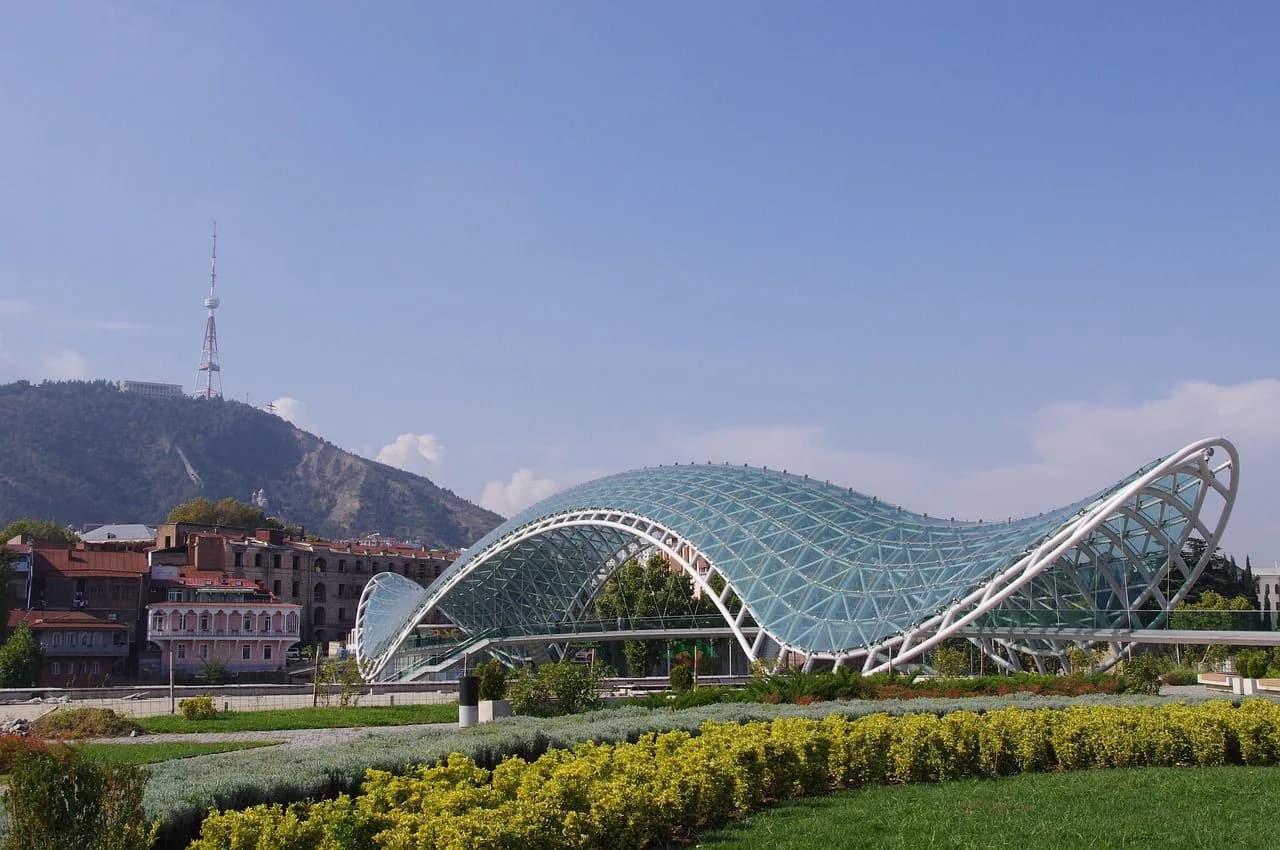
Evening: Avoid the most touristic bits of Shardeni by drifting to parallel streets like Bambis Rigi and Erekle II for a quieter dinner and a glass of qvevri wine in a tiny marani (look for a simple “ღვინო” sign). End with a blue-hour stroll over the Peace Bridge and along the river embankment; taxis via Bolt are cheap if your feet give up.
Day 2: Museums, markets and contemporary Tbilisi
Today balances gold-laden history with flea-market finds and a thriving gallery scene. Most state museums close on Mondays, so juggle accordingly. Bring cash for markets and wear comfy shoes—the best bits hide up stairwells and across courtyards.
By Air
Tbilisi International Airport (TBS) sits ~17 km southeast of the centre; 25–40 minutes by taxi/ride‑hailing (Bolt/Yandex). The 24/7 city bus 337 runs between the airport and central stops (e.g., Avlabari, Liberty Square, Rustaveli, Station Square); pay by contactless card or transport card. An infrequent airport–city rail link exists—check current timetables.
Kutaisi International Airport (KUT) is ~230 km west; 3.5–4.5 hours to Tbilisi by road. Flight‑timed shuttle coaches (e.g., Georgian Bus and others) run direct to Tbilisi after most flights; pre‑book is advisable.
Batumi Airport (BUS) is ~380 km from Tbilisi; allow 5–6 hours by train or road. Useful if combining Black Sea and Tbilisi or for regional connections (often via Turkey).
By Train
Main hub: Tbilisi Central (Station Square). Tickets via railway.ge or station counters—summer services sell out early.
Key domestic routes:
Batumi ↔ Tbilisi: ~5 hours on the faster InterCity/“double‑decker” services.
Kutaisi (city) ↔ Tbilisi: ~3.5–4 hours (note: the airport is served by road shuttles, not by these trains).
Zugdidi/Poti/Ozurgeti ↔ Tbilisi: ~5.5–7 hours depending on route.
International:
Yerevan (Armenia) ↔ Tbilisi: overnight sleeper (~10–11 hours), usually several times per week and daily in peak season—check South Caucasus Railway for current schedules.
Tbilisi is a compact, crowd‑light capital that matches bigger-name cities for history, flavour and creativity—minus the queues and inflated prices.
Atmosphere: Labyrinthine lanes of Dzveli Tbilisi (Old Town), domed sulphur baths in Abanotubani, and hilltop views from Narikala Fortress set a slow, romantic pace that feels refreshingly unhurried compared with busier European centres.
Authenticity & value: Eat like a local on khachapuri, khinkali and market-fresh fare, sip qvevri wine in family maranis, and soak in a private bath—excellent experiences that stay affordable and blissfully free of tour-bus crowds.
Creative edge: A lively scene runs from Fabrika’s street art courtyard to sharp galleries in Vera/Vake (think Window Project, LC Queisser), whimsical moments at the Gabriadze Marionette Theatre, and city festivals like Tbilisoba.
Everyday adventures: Wander Sololaki’s carved‑balcony houses and “Italian courtyards,” climb the Betlemi Stairs to Mother of Georgia, duck to the Leghvtakhevi waterfall, or step into living tradition at Sioni/Anchiskhati—real life, not a stage set.
Here are Tbilisi’s unmissable highlights, distilled from local insight and deep research. Use this shortlist to experience the city’s history, culture and views in one unforgettable sweep.
Walk the labyrinthine streets of Dzveli Tbilisi from Abanotubani’s sulphur baths up the Betlemi stairs to Narikala’s ramparts and river panoramas.
Explore Sololaki’s Art Nouveau façades and “Italian courtyards”, lingering at Gudiashvili Square and ornate entrance halls.
Visit the National Gallery for Pirosmani and the Georgian National Museum’s Archaeological Treasury of Colchian gold.
Take a traditional sulphur bath and vigorous kisa scrub at Orbeliani or another historic Abanotubani bathhouse.
Hike the Leghvtakhevi canyon to the waterfall, then continue to the Botanical Garden and the Mother of Georgia for sunset.
Here are Tbilisi’s unmissable highlights, distilled from local insight and deep research. Use this shortlist to experience the city’s history, culture and views in one unforgettable sweep.
Walk the labyrinthine streets of Dzveli Tbilisi from Abanotubani’s sulphur baths up the Betlemi stairs to Narikala’s ramparts and river panoramas.
Explore Sololaki’s Art Nouveau façades and “Italian courtyards”, lingering at Gudiashvili Square and ornate entrance halls.
Visit the National Gallery for Pirosmani and the Georgian National Museum’s Archaeological Treasury of Colchian gold.
Take a traditional sulphur bath and vigorous kisa scrub at Orbeliani or another historic Abanotubani bathhouse.
Hike the Leghvtakhevi canyon to the waterfall, then continue to the Botanical Garden and the Mother of Georgia for sunset.
Tbilisi’s food culture blends centuries-old recipes, market freshness and wine-led conviviality. Expect walnut- and herb-rich flavours, bread from clay tone ovens, and qvevri wines poured in courtyard bars and tiny cellars. It’s hearty, affordable, and made for sharing.
Khinkali – Pleated soup dumplings (beef/pork or mushroom) you bite–sip–slurp by hand; lively khinkali houses and no-frills taverns buzz late into the night.
Adjarian Khachapuri – Boat-shaped bread with molten sulguni, butter and egg; street-side bakeries and cosy cafés perfumed by clay tone ovens.
Qvevri Wine & Chacha – Amber and red wines fermented in clay amphorae, followed by a brisk grape brandy; intimate wine bars and family maranis (cellars) tucked under Sololaki balconies.
Supra Feast – A shared spread of mtsvadi (charcoal-grilled pork), pkhali (walnut pâtés) and salads with eloquent toasts; convivial restaurants and garden terraces where the wine flows.
Tbilisi’s food culture blends centuries-old recipes, market freshness and wine-led conviviality. Expect walnut- and herb-rich flavours, bread from clay tone ovens, and qvevri wines poured in courtyard bars and tiny cellars. It’s hearty, affordable, and made for sharing.
Khinkali – Pleated soup dumplings (beef/pork or mushroom) you bite–sip–slurp by hand; lively khinkali houses and no-frills taverns buzz late into the night.
Adjarian Khachapuri – Boat-shaped bread with molten sulguni, butter and egg; street-side bakeries and cosy cafés perfumed by clay tone ovens.
Qvevri Wine & Chacha – Amber and red wines fermented in clay amphorae, followed by a brisk grape brandy; intimate wine bars and family maranis (cellars) tucked under Sololaki balconies.
Supra Feast – A shared spread of mtsvadi (charcoal-grilled pork), pkhali (walnut pâtés) and salads with eloquent toasts; convivial restaurants and garden terraces where the wine flows.
Choosing where to stay in Tbilisi is all about the neighbourhood vibe, not a specific hotel. The city is compact but hilly and traffic‑prone, so base yourself near what you’ll do most—history, cafés, nightlife or quiet greenery. Each area offers a distinct atmosphere and pace.
Old Tbilisi (Dzveli Tbilisi) — Lantern‑lit lanes, sulphur baths and Narikala views; perfect for history lovers and first‑timers, but expect cobbles, crowds and late‑night noise.
Sololaki — Elegant 19th‑century balconies, artisan cafés and wine bars; ideal for design lovers wanting charm on quiet lanes steps from Liberty Square.
Vera — Leafy streets near Rustaveli with indie galleries and strong dining; suits culture‑seekers after a calmer base with easy transport.
Marjanishvili/Chugureti — Bohemian quarter around Fabrika with street art, bars and budget stays by the metro; great for value travellers and nightlife without the Old Town crush.
Choosing where to stay in Tbilisi is all about the neighbourhood vibe, not a specific hotel. The city is compact but hilly and traffic‑prone, so base yourself near what you’ll do most—history, cafés, nightlife or quiet greenery. Each area offers a distinct atmosphere and pace.
Old Tbilisi (Dzveli Tbilisi) — Lantern‑lit lanes, sulphur baths and Narikala views; perfect for history lovers and first‑timers, but expect cobbles, crowds and late‑night noise.
Sololaki — Elegant 19th‑century balconies, artisan cafés and wine bars; ideal for design lovers wanting charm on quiet lanes steps from Liberty Square.
Vera — Leafy streets near Rustaveli with indie galleries and strong dining; suits culture‑seekers after a calmer base with easy transport.
Marjanishvili/Chugureti — Bohemian quarter around Fabrika with street art, bars and budget stays by the metro; great for value travellers and nightlife without the Old Town crush.
Travelling to Tbilisi is straightforward and rewarding: the compact centre, reliable public transport and good-value dining make planning easy. A few local tips will help you budget smartly, move around comfortably and avoid minor snags.
Affordability: Eating out is great value (casual meals £6–12/20–40 GEL; mid-range dinners £15–30/50–100 GEL), with boutique hotels £80–150 and hostels £10–20 per night.
Transport: The historic centre is best on foot (expect hills and cobbles); the metro, buses and ride‑hailing cover longer hops, and day trips run easily by car or marshrutka/train to Mtskheta, Kakheti and the mountains.
Language: Georgian is the official language; English is common in hotels, restaurants and with younger locals (less so with older residents), and signage is often bilingual in central areas.
Safety & comfort: The city is very safe for families and solo travellers with low violent crime, but watch traffic when crossing, keep valuables close in crowds, and expect friendly, tagged street dogs.
Crowds: Spring (Apr–May) and autumn (Sep–Oct) are busiest and most pleasant—especially around Tbilisoba—while summers are hot and winters quieter apart from New Year and Orthodox Christmas.
Travelling to Tbilisi is straightforward and rewarding: the compact centre, reliable public transport and good-value dining make planning easy. A few local tips will help you budget smartly, move around comfortably and avoid minor snags.
Affordability: Eating out is great value (casual meals £6–12/20–40 GEL; mid-range dinners £15–30/50–100 GEL), with boutique hotels £80–150 and hostels £10–20 per night.
Transport: The historic centre is best on foot (expect hills and cobbles); the metro, buses and ride‑hailing cover longer hops, and day trips run easily by car or marshrutka/train to Mtskheta, Kakheti and the mountains.
Language: Georgian is the official language; English is common in hotels, restaurants and with younger locals (less so with older residents), and signage is often bilingual in central areas.
Safety & comfort: The city is very safe for families and solo travellers with low violent crime, but watch traffic when crossing, keep valuables close in crowds, and expect friendly, tagged street dogs.
Crowds: Spring (Apr–May) and autumn (Sep–Oct) are busiest and most pleasant—especially around Tbilisoba—while summers are hot and winters quieter apart from New Year and Orthodox Christmas.
Tbilisi has a continental climate with hot summers, crisp winters, and the most pleasant conditions in spring and autumn. The cultural calendar peaks in May and October, so timing affects both crowds and prices.
Spring (Apr–May): Mild 15–25°C, blossom and fresh greenery; ideal for walking; moderate crowds as festivals and café terraces return.
High Summer (Jun–Aug): Hot 30–38°C and sometimes humid; afternoons can be stifling but evenings buzz; expect more tourists and higher rates.
Autumn (Sep–Oct): Warm days, cool nights and golden light; harvest and Tbilisoba festivities amp up the vibe; busy yet far more comfortable than summer.
Tbilisi has a continental climate with hot summers, crisp winters, and the most pleasant conditions in spring and autumn. The cultural calendar peaks in May and October, so timing affects both crowds and prices.
Spring (Apr–May): Mild 15–25°C, blossom and fresh greenery; ideal for walking; moderate crowds as festivals and café terraces return.
High Summer (Jun–Aug): Hot 30–38°C and sometimes humid; afternoons can be stifling but evenings buzz; expect more tourists and higher rates.
Autumn (Sep–Oct): Warm days, cool nights and golden light; harvest and Tbilisoba festivities amp up the vibe; busy yet far more comfortable than summer.
Tbilisi
Morning: Visit the Simon Janashia Museum of Georgia for the Archaeological Treasury, then cross to the National Gallery to meet Pirosmani’s soulful canvases (arrive near opening to dodge crowds). If rain hits, fold in the Museum of Soviet Occupation upstairs for sober context.
Midday: Browse the Dry Bridge Market’s antiques and art; bargain politely and assume reproductions unless provenance is clear. Hungry? For a local slice of life, graze Dezerter Bazaar (there have been redevelopment rumblings—catch it while you can) and assemble a picnic of cheeses, churchkhela and seasonal fruit.
Afternoon: Explore Sololaki’s entrance halls on Lado Asatiani and nearby streets—peek respectfully through open gates for painted foyers and “Italian courtyards.” Alternatively, head to the State Silk Museum (recently refurbished) or the Tbilisi History Museum (Karvasla) in the Old Town for a compact city primer.
Evening: Do a gallery crawl in Vera/Vake (Window Project, LC Queisser, ERTI Gallery; check Instagram for opening nights—usually Thu/Fri). Dine in Vera and finish with cocktails or a dram at Maxim’s Bar; if it’s a late weekend, club nights at Bassiani/Khidi run deep into the small hours (bring ID, expect queues).
Day 3: Vistas, murals and modern icons
Range further for big views and bold walls. Mix mountain air with metro rides and golden-hour monuments. If you’re here in May or October, check dates for the New Wine Festival or Tbilisoba and flex the day around the festivities.
Morning: Take the funicular up Mtatsminda before it gets busy, stroll the park viewpoints and enjoy coffee with the whole city below; walk down via the leafy paths if the weather’s kind. Back at Rustaveli, pop into Kashveti Church and the surrounding green pockets for a breather.
Midday: Cross to Marjanishvili/Fabrika for lunch and street art—Fabrika’s courtyards and neighbouring underpasses are an open-air gallery; download the Tbilisi Mural Festival map for a DIY trail. Keen mural hunters can metro to Saburtalo or Varketili for larger works (comfortable trainers essential).
Afternoon: Taxi to the Chronicle of Georgia above the Tbilisi Sea—its brooding pillars look best in late-afternoon light; bring water and expect wind. On the way back, stop in Avlabari for Holy Trinity Cathedral or, time permitting, climb to Queen Darejan’s Palace balcony (usually open mornings 10:00–14:00; steep approach).
Evening: Celebrate with a mini tasting at 8000 Vintages or a cosy natural-wine bar; ask for Rkatsiteli amber or a hearty Saperavi. For a classic finale, book a late sulphur bath slot (quieter, magical by night) or toast “Gaumarjos!” over mtsvadi at a traditional spot—pace yourself if a tamada starts the toasts.
Baku (Azerbaijan): service has been irregular in recent years—verify current status before planning.
By Bus/Coach
Main stations:
Didube (northwest): frequent minibuses to Stepantsminda (Kazbegi), Gudauri, Gori, Kutaisi and western regions.
Ortachala (southeast): services to Armenia (Yerevan, Gyumri) and southern Georgia.
Samgori (east): Kakheti region (Telavi, Sighnaghi).
Station Square area: various intercity/airport shuttles and private coaches.
Long‑haul coaches from Turkey (e.g., Istanbul via Sarpi/Hopa) operate ~20–24 hours; several Turkish companies serve Tbilisi. FlixBus and Metro Georgia run selected domestic and regional routes.
By Car
Main corridors: E60/E70 East–West Highway (Batumi/Kutaisi–Gori–Tbilisi) is mostly dual carriageway; the Georgian Military Highway (S3) connects Russia via Lars/Stepantsminda (can close due to weather/landslides); routes from Armenia enter via Sadakhlo/Marneuli.
Border notes: Turkey–Georgia (Sarpi) is straightforward; Russia–Georgia (Lars) is busy and weather‑dependent; Azerbaijan’s land‑border policies have changed intermittently—check current entry rules; Armenia–Georgia is usually open.
Practicalities: International Driving Permit recommended; buy local third‑party insurance at borders; strict speed enforcement and many cameras; mountain routes require extra care in winter. Ride‑hailing (Bolt/Yandex) is widely used within and between cities.
Affiliate links help keep Savler free, at no extra cost to you.
Curious urban explorers, culture lovers and food-and-wine enthusiasts will be in their element in Tbilisi, where medieval lanes, sulphur baths and hilltop fortresses meet a cutting-edge creative scene. The compact Old Town, cable cars and café-lined squares make it easy to dip between history, galleries and nightlife in a single day. It’s stylish yet welcoming – and generally more affordable than many Western European capitals.
History lovers: Trace 1,500+ years from Narikala Fortress and Abanotubani’s sulphur baths to Anchiskhati Basilica, Soviet-era sites and powerful dark-history stops like the Museum of Soviet Occupation.
Foodies & wine lovers: Feast on khachapuri and khinkali, sip ancient qvevri wines in cosy maranis, and time a visit for the New Wine Festival or a harvest season supra – a foodie trip that’s as memorable as Tuscany yet distinctly Georgian.
Culture vultures: See Pirosmani at the National Gallery, delve into the Silk Museum, gallery-hop Vera/Sololaki (Window Project, LC Queisser) and catch festivals like Tbilisoba, Art-Gene, Jazz and the Film/ Theatre seasons.
Nightlife & music lovers: From clubs like Bassiani and Khidi to serious cocktail and whisky bars (Maxim’s, Stamba), the scene punches above its weight at a fraction of many Western European prices.
Active travellers: Climb the Betlemi stairs, walk up to Narikala or the Mother of Georgia, ride the cable car, and unwind by Turtle or Lisi Lakes – with the sulphur baths as the perfect post-hike soak.
City‑breakers: A compact, walkable centre with easy Bolt rides and the Metro, boutique stays in Sololaki/Vera, and great value dining makes Tbilisi ideal for a stylish 48–72‑hour escape, especially in spring or autumn.