Share Ostrava with friends and start planning your trip together.
How to get to Ostrava
Have a great tip for Ostrava or another alternative to popular destinations?
Share your thoughts on Ostrava or suggest another authentic alternative to popular destinations. Your tips help others rediscover their love of travelling - while giving popular destinations a little room to breathe.
Please help us keep all core features free to use by using these affiliate links!
Ostrava suits travellers who love raw, post‑industrial character with big culture and bigger nights out. It mixes affordable, quality pubs and cocktail bars with headline festivals in a jaw‑dropping former ironworks. If you want Prague‑level energy at friendlier prices, this is your city.
History lovers: Explore the repurposed ironworks at Dolní Vítkovice, climb the Bolt Tower for views, and catch concerts in the striking Gong auditorium.
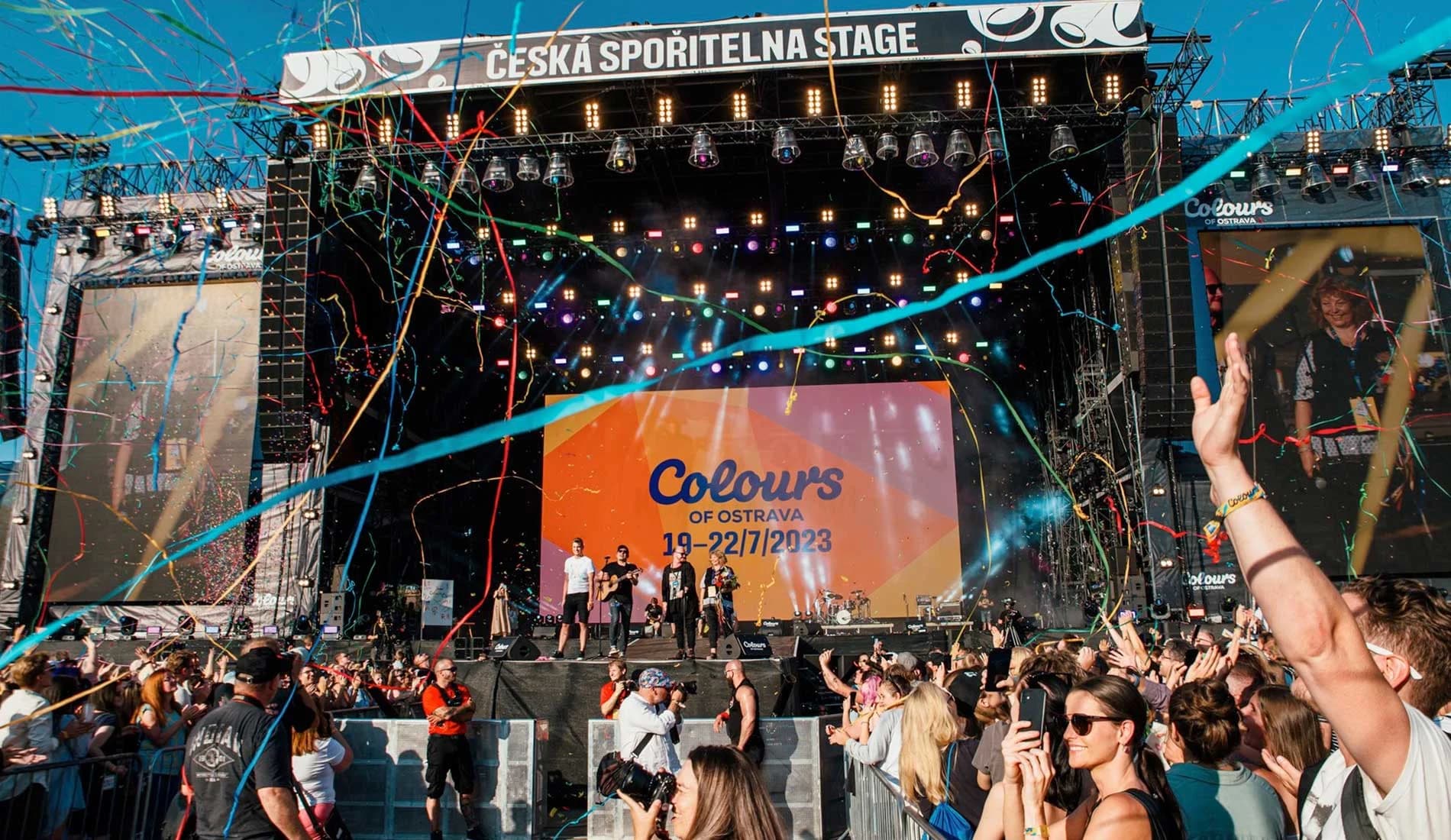
Music & festival fans: Time your trip for Colours of Ostrava and Beats for Love—the latter is Central Europe’s largest electronic music festival set amid towering blast furnaces.
Night owls: Hop between Stodolní Street’s bars and clubs, then graduate to locals’ favourites—craft beer pubs, quality cocktail spots like Modrá Myš, and clubs such as Fabric or Barrák.
Budget‑savvy travellers: Enjoy excellent value—beer and cocktails are notably cheaper than Prague, venues are walkable, and late trams plus Bolt/Uber make nights easy.
Culture vultures: Pair nightlife with high culture—Janáček‑themed classical festivals, the Meltingpot talks during Colours, and open‑air Shakespeare at Silesian Ostrava Castle.
Day 1: Industrial heritage and the lively centre
Ostrava’s story is written in steel and smoke – and now in culture and colour. Start where the city reinvented itself, then ease into the historic centre for a quintessential Czech evening.
Morning: Explore Dolní Vítkovice on a guided tour; ride the lift to Bolt Tower for coffee and panoramic views. Wear sturdy shoes and book Bolt Tower in advance; if the weather turns, swap in an indoor tour of Gong.
Midday: Stay on-site for lunch around Hlubina mine or at a nearby bistro; browse small galleries and studios scattered through the complex. If you’re here in July, look for early-day festival soundchecks or art installs taking shape.
Afternoon: Tram to the centre (Masarykovo náměstí) for the Ostrava Museum and a stroll through side streets. Pause at Minikino Kavárna for a film-buff coffee and plan your night.
Evening: Classic Czech dinner at Pivnice U Rady or the big beer hall at Černá Hvězda, then cocktails at Modrá Myš (reserve). Finish with a light Stodolní Street hop; remember pub etiquette (table service, tally slip, coaster on top to stop refills) and use night trams (9xx lines) or Bolt/Uber home.
Day 2: Views, student vibes and live music
Today mixes green outlooks with socialist-realist Poruba and a proper Ostrava gig night. Keep it relaxed: locals prize unpretentious spots and a good pre-party over fancy frills.
Morning: Hike Halda Ema, the warm spoil tip with citywide views; go early for cooler air and bring grippy shoes (it gets muddy after rain). If it’s wet, swap to the Landek Park Mining Museum for a deep dive into coal history.
Midday: River time at Dock for lunch and a drink by the Ostravice; on warm days, follow the riverside paths by bike/scooter. In colder months, linger indoors with a DJ set if one’s posted.
By Air
Ostrava Leoš Janáček Airport (OSR), Mošnov (about 20 km SW of the centre). Limited scheduled flights (typically via Warsaw), plus seasonal charters. Transfer: airport train to Ostrava hl.n./Ostrava-Svinov (~30–40 min), shuttle/bus services, or taxi/ride-hail (~25–35 min).
Katowice (KTW), Poland (~120 km). Major low-cost hub; frequent direct buses to Ostrava (~1.5–2 h) and easy car access via A1/D1 (~1.5 h).
Kraków (KRK), Poland (~170 km). Direct buses to Ostrava (~2.5–3 h); driving via A4/A1 (~2–2.5 h).
Brno (BRQ), Czechia (~170 km). Limited flights; train or bus to Ostrava (~2–2.5 h).
Vienna (VIE), Austria (~300 km). Train via Wien Hbf to Ostrava (~3.5–4 h total from the airport with one change); buses (~4.5–5.5 h); car (~3.5–4 h).
Prague (PRG), Czechia (~370 km). Public transport: bus/metro to Praha hl.n., then fast train to Ostrava (overall ~4–4.5 h); car ~4–4.5 h.
By Train
Main stations: Ostrava hl.n. (principal hub) and Ostrava-Svinov (many long-distance services also stop here). Ostrava-Stodolní serves the nightlife district (local/regional services).
Operators: České dráhy (incl. fast SC/IC/EC services), RegioJet, Leo Express.
Key routes and typical times:
Prague – Ostrava: very frequent (every 30–60 min); ~2 h 55–3 h 30.
Brno – Ostrava: ~1 h 45–2 h 15 (often 1 change, some directs).
Industrial‑cool Ostrava is a crowd‑light Czech city where repurposed ironworks, big‑name festivals and straight‑talking pub culture deliver rich experiences without the queues or hefty price tag.
Post‑industrial energy: explore Dolní Vítkovice’s blast furnaces, scale Bolt Tower for night views, and catch Colours of Ostrava or Beats for Love on world‑class stages—without shoulder‑to‑shoulder crowds.
Proper pub life and value: sip crisp tank Radegast in neighbourhood hospody around Masarykovo náměstí or Poruba, snack on chlebíčky, toast “Na zdraví!” with slivovice—great quality at prices well below better‑known city breaks.
Nightlife with room to breathe: dip into Stodolní Street, then branch out to Modrá Myš for cocktails, Barrák or Fabric for live sounds, and riverside Dock—studenty, unpretentious, and far less touristy.
Culture that feels local: Shakespeare under the walls of Silesian Ostrava Castle, Janáček‑linked concerts at Gong, and street‑level Festival v ulicích—authentic events woven into everyday city life.
These are the unmissable highlights of Ostrava. From industrial‑chic venues to legendary party streets, here’s where to start.
Walk the legendary Stodolní Street for a high‑energy bar crawl of pubs, shot bars and clubs that runs late into the night.
Explore Dolní Vítkovice’s steel cathedrals, from the Gong auditorium to the Bolt Tower, where festivals transform blast furnaces into stages.
Visit Colours of Ostrava or Beats for Love to experience world‑class music amid monumental ironworks and immersive art.
Take a seat in a classic hospoda around Masarykovo náměstí for perfectly poured tank beer and straight‑talk Ostrava banter.
Hike the wooded trails of Landek Park, then tour the Mining Museum to descend to a real coal seam.
These are the unmissable highlights of Ostrava. From industrial‑chic venues to legendary party streets, here’s where to start.
Walk the legendary Stodolní Street for a high‑energy bar crawl of pubs, shot bars and clubs that runs late into the night.
Explore Dolní Vítkovice’s steel cathedrals, from the Gong auditorium to the Bolt Tower, where festivals transform blast furnaces into stages.
Visit Colours of Ostrava or Beats for Love to experience world‑class music amid monumental ironworks and immersive art.
Take a seat in a classic hospoda around Masarykovo náměstí for perfectly poured tank beer and straight‑talk Ostrava banter.
Hike the wooded trails of Landek Park, then tour the Mining Museum to descend to a real coal seam.
Ostrava’s food-and-drink scene mirrors its industrial soul: hearty, unpretentious, and best shared. Expect tank‑fresh lager in bustling hospody, inventive cocktails in snug cellars, and comforting Czech bites from pubs to festival stalls.
Radegast tank beer – Crisp, bitter Moravian lager poured fresh from tanks; perfect with salty pub snacks. Best enjoyed in lively hospody and beer halls around Masarykovo Square and Poruba.
Slivovice – Potent Moravian plum brandy; sip (don’t shoot) and toast “Na zdraví!”. Sipped in cosy neighbourhood pubs and late‑night bars.
Obložené chlebíčky – Classic Czech open‑faced sandwiches with ham, egg and pickles; cheap, filling, and beer‑friendly. Find them in cafés, pubs, and festival pop‑ups before a gig.
Festival street food at Dolní Vítkovice – Grills and global bites that fuel long nights at Colours of Ostrava and Beats for Love. Eat under illuminated blast furnaces with music in the air and crowds buzzing.
Ostrava’s food-and-drink scene mirrors its industrial soul: hearty, unpretentious, and best shared. Expect tank‑fresh lager in bustling hospody, inventive cocktails in snug cellars, and comforting Czech bites from pubs to festival stalls.
Radegast tank beer – Crisp, bitter Moravian lager poured fresh from tanks; perfect with salty pub snacks. Best enjoyed in lively hospody and beer halls around Masarykovo Square and Poruba.
Slivovice – Potent Moravian plum brandy; sip (don’t shoot) and toast “Na zdraví!”. Sipped in cosy neighbourhood pubs and late‑night bars.
Obložené chlebíčky – Classic Czech open‑faced sandwiches with ham, egg and pickles; cheap, filling, and beer‑friendly. Find them in cafés, pubs, and festival pop‑ups before a gig.
Festival street food at Dolní Vítkovice – Grills and global bites that fuel long nights at Colours of Ostrava and Beats for Love. Eat under illuminated blast furnaces with music in the air and crowds buzzing.
Choosing where to stay in Ostrava is about matching the neighbourhood to your plans. Areas vary from nightlife hubs to calm, residential quarters. Pick based on vibe, transport, and how close you want to be to venues and bars.
City Centre (Centrum) — Historic squares and riverside, best craft bars and theatres, super walkable and tram‑linked; ideal for first‑timers and culture lovers.
Stodolní Street — The party strip of pubs and clubs, loud late (especially Fri–Sat); perfect for nightlife hunters, not for light sleepers.
Poruba — Leafy socialist‑realist boulevards, student pubs and cheap eats, easy trams; good for budgets, longer stays and quieter nights.
Dolní Vítkovice / Vítkovice — Iconic industrial setting with Colours/Beats, striking views and tours; great for festival‑goers and design fans, quieter off‑season.
Choosing where to stay in Ostrava is about matching the neighbourhood to your plans. Areas vary from nightlife hubs to calm, residential quarters. Pick based on vibe, transport, and how close you want to be to venues and bars.
City Centre (Centrum) — Historic squares and riverside, best craft bars and theatres, super walkable and tram‑linked; ideal for first‑timers and culture lovers.
Stodolní Street — The party strip of pubs and clubs, loud late (especially Fri–Sat); perfect for nightlife hunters, not for light sleepers.
Poruba — Leafy socialist‑realist boulevards, student pubs and cheap eats, easy trams; good for budgets, longer stays and quieter nights.
Dolní Vítkovice / Vítkovice — Iconic industrial setting with Colours/Beats, striking views and tours; great for festival‑goers and design fans, quieter off‑season.
Travel to Ostrava is straightforward, with good transport links and a compact centre that makes getting around easy. A few local quirks—festival season surges, pub etiquette, and night trams—are worth knowing to plan smoothly.
Affordability: A good-value Czech city: beer 50–65 CZK in pubs, mains 180–300 CZK, mid-range hotels 1,500–2,500 CZK per night (prices jump in July during Colours of Ostrava and Beats for Love).
Transport: The centre is walkable, backed by frequent trams/buses (night lines after midnight), easy ride‑hailing, and fast trains to Prague (~3h) plus regional day trips like Štramberk or the Beskydy Mountains by train/bus or car.
Language: Czech is the language, but English is commonly understood in hotels, restaurants, and by younger locals; a few phrases (prosím, děkuji) are appreciated.
Safety & comfort: Ostrava is generally safe and friendly for families and solo travellers—use routine city smarts (watch for petty theft on Stodolní Street and at festivals), carry some cash for cash‑only pubs, and drink tap water confidently.
Crowds: Crowds peak in mid‑July around the major festivals (book early for accommodation), weekends are liveliest on Stodolní, and the rest of the year is moderate to quiet with December weekends busier for Christmas markets.
Travel to Ostrava is straightforward, with good transport links and a compact centre that makes getting around easy. A few local quirks—festival season surges, pub etiquette, and night trams—are worth knowing to plan smoothly.
Affordability: A good-value Czech city: beer 50–65 CZK in pubs, mains 180–300 CZK, mid-range hotels 1,500–2,500 CZK per night (prices jump in July during Colours of Ostrava and Beats for Love).
Transport: The centre is walkable, backed by frequent trams/buses (night lines after midnight), easy ride‑hailing, and fast trains to Prague (~3h) plus regional day trips like Štramberk or the Beskydy Mountains by train/bus or car.
Language: Czech is the language, but English is commonly understood in hotels, restaurants, and by younger locals; a few phrases (prosím, děkuji) are appreciated.
Safety & comfort: Ostrava is generally safe and friendly for families and solo travellers—use routine city smarts (watch for petty theft on Stodolní Street and at festivals), carry some cash for cash‑only pubs, and drink tap water confidently.
Crowds: Crowds peak in mid‑July around the major festivals (book early for accommodation), weekends are liveliest on Stodolní, and the rest of the year is moderate to quiet with December weekends busier for Christmas markets.
Seasonality in Ostrava is driven by mega-festivals and the academic calendar. July is peak party season at Dolní Vítkovice, spring and early autumn are milder and more local, and winters are crisp and quieter with Christmas markets.
High Summer (Jul–Aug): Warm to hot (20–30°C); biggest crowds for Colours of Ostrava and Beats for Love; electric, festival-led vibe with higher prices and scarce rooms.
Shoulder Season (May–Jun & Sep): Mild and changeable; manageable crowds; cultured, relaxed feel with good event calendars—best balance of weather and availability.
Winter (Nov–Feb): Cold, often below freezing with occasional snow; quieter streets and cosy pubs, Christmas markets in December; lowest prices outside holidays.
Seasonality in Ostrava is driven by mega-festivals and the academic calendar. July is peak party season at Dolní Vítkovice, spring and early autumn are milder and more local, and winters are crisp and quieter with Christmas markets.
High Summer (Jul–Aug): Warm to hot (20–30°C); biggest crowds for Colours of Ostrava and Beats for Love; electric, festival-led vibe with higher prices and scarce rooms.
Shoulder Season (May–Jun & Sep): Mild and changeable; manageable crowds; cultured, relaxed feel with good event calendars—best balance of weather and availability.
Winter (Nov–Feb): Cold, often below freezing with occasional snow; quieter streets and cosy pubs, Christmas markets in December; lowest prices outside holidays.
Urban explorers: Photograph dramatic industrial skylines, riverside venues like Dock, and student‑buzzed Poruba for a gritty‑meets‑creative city vibe.
Afternoon: Tram to Poruba (Hlavní třída) to admire the grand Oblouk and hunt out student pubs in the hidden courtyards. Expect lower prices and a friendly, no-nonsense vibe.
Evening: Catch a gig: Barrák for rock/metal/punk or Marley for reggae/world/alt; Friday/Saturday late-nighters can switch to Fabric for techno/drum & bass (headliners often after 01:00). Do a local-style pre-party at a hospoda, sip slivovice slowly, and rely on Bolt/Uber or night trams back.
Day 3: Castles, culture… or full-on festival
Choose your own finale: heritage and high culture, or join one of Central Europe’s great industrial-site festivals. Either way, you’ll leave with the city’s rhythm in your ears.
Morning: Walk to Silesian Ostrava Castle for ramparts, river views and quiet courtyards. In summer, note the stage layout for the evening Shakespeare performances.
Midday: Head back into town for a lazy lunch near Masarykovo náměstí; if it’s Colours of Ostrava or Beats for Love week, fuel up before the gates open and top up your cashless wristband early to avoid queues.
Afternoon: Culture slot by season: May–June suits a Janáčkův máj or Leoš Janáček International Music Festival concert; late June sees Dream Factory Ostrava theatre; July brings Meltingpot talks at Colours; September features the St. Wenceslas Music Festival in churches; December focuses on Christmas markets and an ice rink on the square.
Evening: Festival route: head to Dolní Vítkovice for main stages under the blast furnaces (arrive early; the site is vast, bring a poncho and refill your water). Non-festival route: dinner and a refined bar crawl around the centre – Mirrors Cocktail Bar for inventive drinks, Hobit Club or Pivovarský dům for craft beer, and a final glass at a cosy wine bar. Keep some cash for traditional pubs, make eye contact on “Na zdraví!”, and respect noční klid (night quiet) on the walk back.
Vienna – Ostrava: ~3–3 h 45 (direct ECs on some days; otherwise 1 change, commonly at Břeclav/Přerov).
Bratislava – Ostrava: ~2 h 45–3 h 30 (usually 1 change).
Katowice – Ostrava: ~1 h 15–1 h 40 (direct EC/IC).
Kraków – Ostrava: ~2 h 30–3 h 15 (often via Katowice).
Warsaw – Ostrava: ~4 h 30–5 h (direct EC/IC on selected services).
By Bus
Main terminal: ÚAN Ostrava (central bus station). Additional city stops used by some operators.
Operators: RegioJet, FlixBus, and regional carriers.
Typical direct times:
Prague: ~4–5 h
Brno: ~2–2.5 h
Katowice: ~1.5–2 h
Kraków: ~2.5–3 h
Vienna: ~4–5 h
Bratislava: ~3.5–4.5 h
By Car
Motorways: D1 links Ostrava with Brno/Prague and the Polish A1 (to Katowice/Gliwice). D48/D56 serve the Beskydy and Frýdek-Místek.
Approximate drive times (traffic dependent):
Prague: ~3.5–4.5 h
Brno: ~2 h
Katowice: ~1–1.5 h
Kraków: ~2–2.5 h
Vienna: ~3.5–4 h
Notes: Czech motorways require an electronic vignette. Polish A4 between Katowice and Kraków has tolls. City centre parking is zoned/paid; follow local signage.
Affiliate links help keep Savler free, at no extra cost to you.
Ostrava suits travellers who love raw, post‑industrial character with big culture and bigger nights out. It mixes affordable, quality pubs and cocktail bars with headline festivals in a jaw‑dropping former ironworks. If you want Prague‑level energy at friendlier prices, this is your city.
History lovers: Explore the repurposed ironworks at Dolní Vítkovice, climb the Bolt Tower for views, and catch concerts in the striking Gong auditorium.
Music & festival fans: Time your trip for Colours of Ostrava and Beats for Love—the latter is Central Europe’s largest electronic music festival set amid towering blast furnaces.
Night owls: Hop between Stodolní Street’s bars and clubs, then graduate to locals’ favourites—craft beer pubs, quality cocktail spots like Modrá Myš, and clubs such as Fabric or Barrák.
Budget‑savvy travellers: Enjoy excellent value—beer and cocktails are notably cheaper than Prague, venues are walkable, and late trams plus Bolt/Uber make nights easy.
Culture vultures: Pair nightlife with high culture—Janáček‑themed classical festivals, the Meltingpot talks during Colours, and open‑air Shakespeare at Silesian Ostrava Castle.
Urban explorers: Photograph dramatic industrial skylines, riverside venues like Dock, and student‑buzzed Poruba for a gritty‑meets‑creative city vibe.