Share Murcia with friends and start planning your trip together.
How to get to Murcia
Have a great tip for Murcia or another alternative to popular destinations?
Share your thoughts on Murcia or suggest another authentic alternative to popular destinations. Your tips help others rediscover their love of travelling - while giving popular destinations a little room to breathe.
Please help us keep all core features free to use by using these affiliate links!
If you love living culture, layered history and great food without the big-city overwhelm, you’ll thrive in bold Murcia. Festival-goers, art lovers and families will find year-round spectacles that still feel authentically local. Add sunshine, good value and short-hop distances, and bold Murcia is an easy win for a long weekend or a slow trip.
History lovers: Cartagena’s Carthaginians & Romans reenactments, Roman sites and Salzillo’s baroque Holy Week turn the streets into an open‑air museum to rival Tarragona.
Festival fans: Time your trip for Fiestas de Primavera, the toy‑tossing Entierro de la Sardina, Lorca’s Biblical Semana Santa and UNESCO‑listed Caballos del Vino—every bit as spectacular as Seville, but more intimate.
Foodies: Feast in barracas huertanas on garden‑fresh tapas and paparajotes, then sip Jumilla and Yecla reds at prices gentler than Rioja.
Music lovers: Catch world‑class flamenco at Cante de las Minas, San Javier Jazz and La Mar de Músicas—line‑ups you’d chase in Madrid, without the queues.
Family travellers: Kids adore the Sardine’s flying toys, hands‑on history camps in Cartagena and easy beach days on the Mar Menor—more relaxed than the Costa del Sol.
Scenery seekers & active travellers: Walk the peach‑blossom routes of Cieza, climb Caravaca’s castle and hike Cabo de Palos’ coast for big views with fewer crowds than .
Day 1: Murcia city – baroque heart, huerta soul
Slow into Murcia’s rhythm among palm-lined avenues and the scent of lemon blossom from the huerta. The old town is compact, so you can wander between masterpieces, markets and river promenades with ease. Festival weeks transform the centre with road closures and pop-up venues—plan extra time.
Morning: Step into the cathedral and the lively Plaza del Cardenal Belluga, then visit the Salzillo Museum to understand how Holy Week here became living art. Coffee at Plaza de las Flores before a short amble to the Teatro Romea.
Midday: Graze at Mercado de Verónicas (try marineras, michirones, and a glass of local wine). If it’s Spring Festivals week, eat at the barracas in Jardín del Malecón—go early (around 13:00) or late (after 16:00) for a table; enjoy paparajotes but don’t eat the lemon leaf.
Afternoon: Stroll the Paseo del Malecón into the huerta; in early March you’ll see blossom-bound orchards on the city’s edge. On Bando de la Huerta Tuesday (the week after Easter), dress in huertano attire if you can—avoid novelty costumes—and book parade chairs (€5–€15) on Gran Vía.
Evening: If it’s Entierro de la Sardina Saturday, bring a bag to catch toys and keep a respectful distance during the sardine burning and fireworks. On non-festival nights, enjoy tapas around Plaza Julián Romea and a riverside paseo; check the city’s festival app in season for maps and live timings.
Day 2: Cartagena – Punic shores, Roman stones, naval pulse
Just 45 minutes from Murcia, Cartagena layers Punic ramparts, a Roman theatre and a working navy into a very walkable port city. It shines after dark, especially during processions and reenactments when drums and torches echo off stone.
Morning: Explore the Roman Theatre Museum and climb to the castle for harbour views. During Carthagineses y Romanos (mid–late September), drop into the Campamento Festero when it opens to see legions and troops setting up—families are welcome and stalls serve hearty fare.
By Air
Region of Murcia International Airport (RMU, Corvera): ~25 km SW of Murcia city; 25–35 min by taxi/car. Shuttle buses (timed to flights) run to Murcia (30–40 min) and Cartagena (40–50 min). Car hire available on site.
Alicante–Elche Miguel Hernández Airport (ALC): ~75 km NE; 50–60 min by car. Frequent direct ALSA buses to Murcia bus station (about 1–1¼ hours). Alternative is bus/train via Alicante city.
Alternatives for wider connections: Madrid-Barajas (approx. 3½–4½ hours by car; fast AVE trains to Murcia in roughly 2¾–3 hours) and Valencia Airport (about 2½–3 hours by car; direct trains to Murcia).
By Train
Main station: Murcia del Carmen (city centre).
High-speed: AVE between Madrid-Chamartín and Murcia in about 2¾–3 hours (several daily).
Long-distance: Direct Intercity/Talgo services to Valencia (around 3–3½ hours) and Barcelona (about 6½–7½ hours).
Regional: Regular Media Distancia/Cercanías to Cartagena (45–60 min), Alicante (about 1–1½ hours), Lorca (≈1 hour) and Águilas (≈2 hours).
Operator: Renfe (tickets via renfe.com and station offices).
By Bus
Main hub: Estación de Autobuses de Murcia (central). Major operators include ALSA and Interbus.
Murcia delivers the sun, flavour and festival energy you come to Spain for—without the queues or price tag.
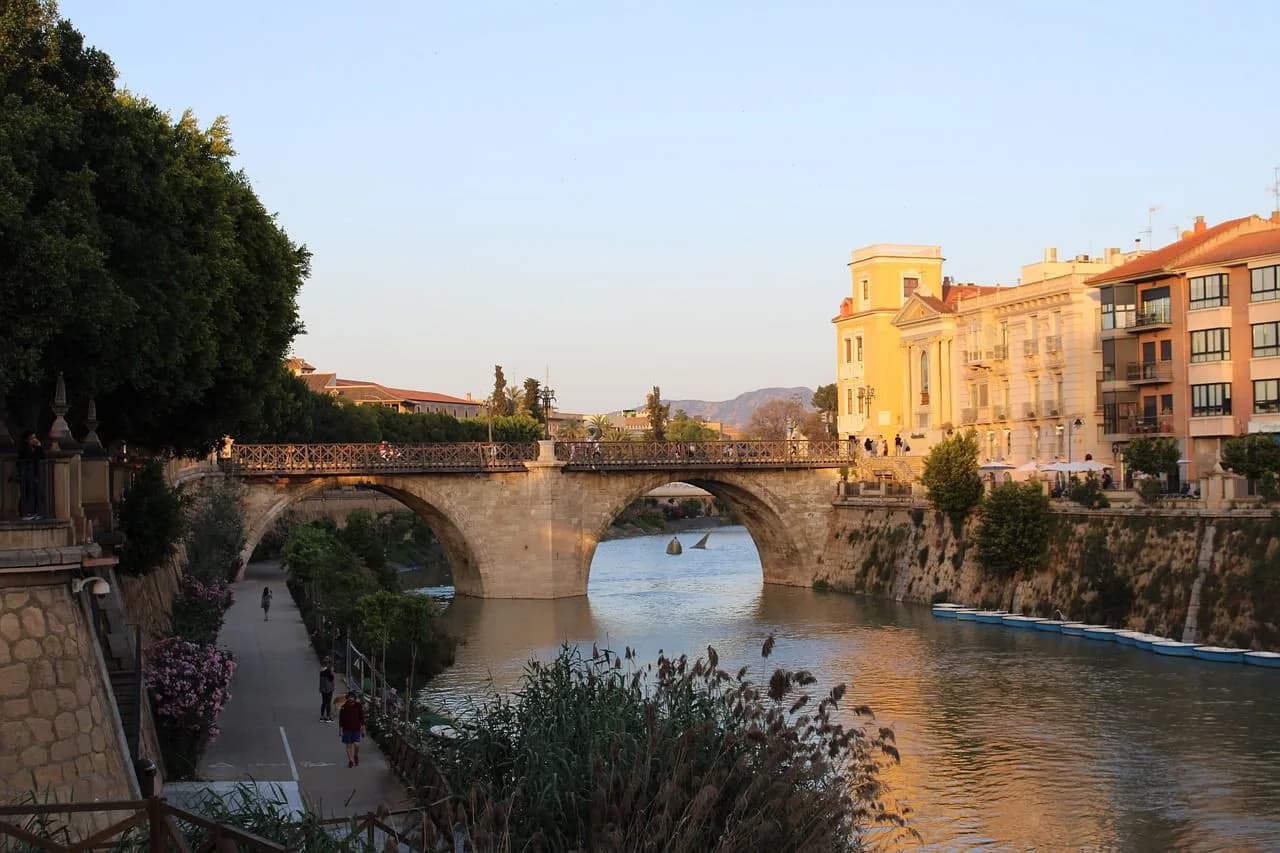
Atmosphere: Easygoing Mediterranean rhythm across cathedral squares and riverside gardens; a locals-first city where the huerta (market‑garden belt) still shapes daily life and the pace stays unhurried even in peak season.
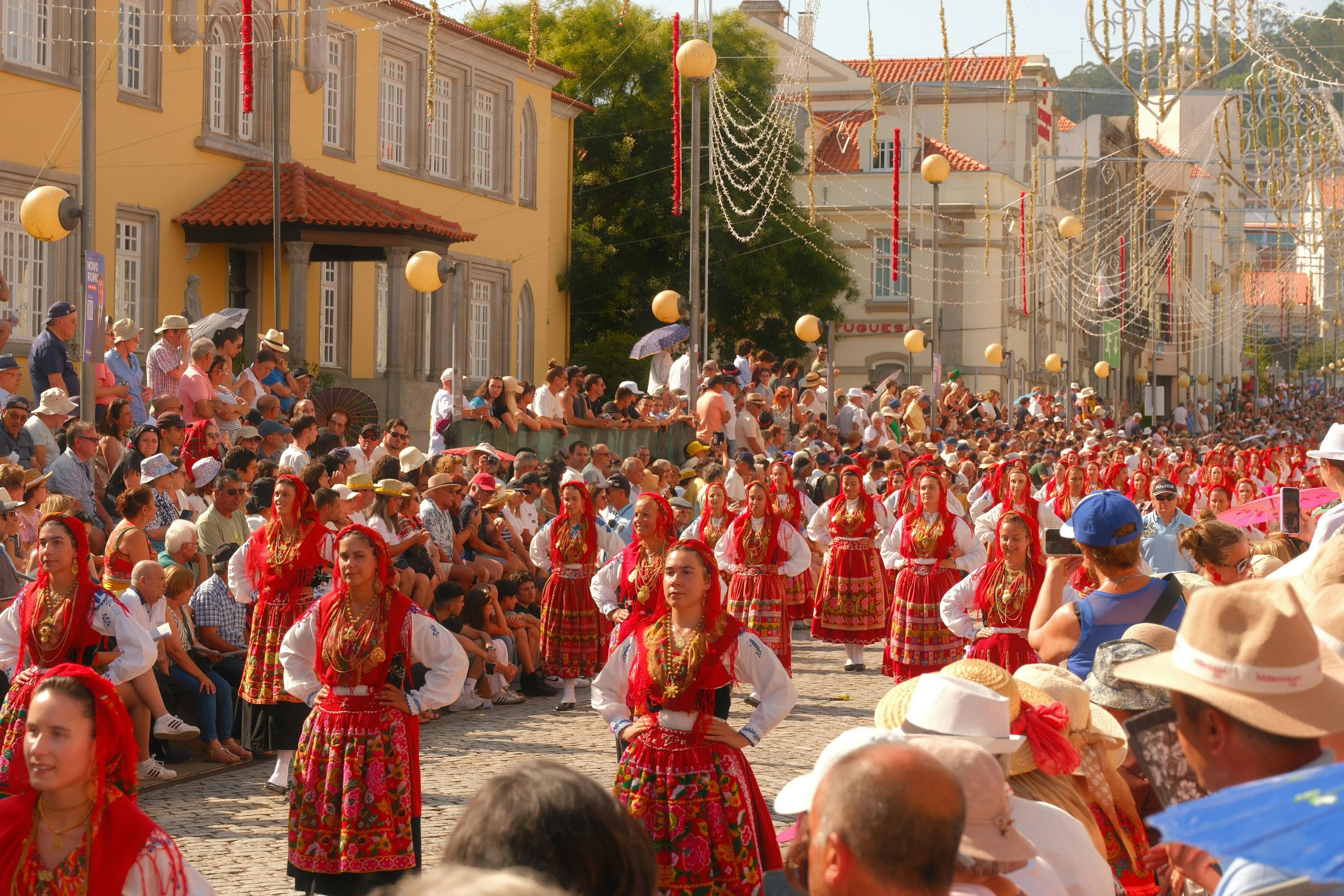
Living culture: Authentic, year‑round traditions you can actually join—Spring Festivals with barracas at Jardín del Malecón, the toy‑tossing Entierro de la Sardina, Salzillo’s Semana Santa processions, and Cartagena’s Carthagineses y Romanos—headline moments with room to breathe.
Food & value: Tapas that punch above their weight in both flavour and price—think zarangollo, marinera, michirones and caldero del Mar Menor—plus Market of Verónicas tastings and excellent Jumilla/Yecla wines without boutique mark‑ups; don’t miss a sugary paparajote (don’t eat the leaf).
Where to wander: Baroque Murcia Cathedral and Plaza del Cardenal Belluga; neighbourhoods like Santa Eulalia and Barrio del Carmen; Cartagena’s Roman Theatre and harbour sunsets; Cabo de Palos lighthouse walks; day trips to Caravaca de la Cruz (Caballos del Vino) and Cieza’s spring blossom—classic sights, fewer crowds.
From legendary processions to heart‑pounding historical reenactments, Murcia delivers some of Spain’s most unforgettable fiestas. These are the unmissable highlights to plan your trip around.
Walk the Bando de la Huerta and the riotous Entierro de la Sardina during Murcia’s Fiestas de Primavera, feasting in barracas on tapas and paparajote.
Explore Cartagena’s Carthagineses y Romanos, from the lively Campamento Festero to epic battle reenactments above the harbour.
Visit Lorca’s Semana Santa to see Paso Blanco and Paso Azul race chariots and display breathtaking silk‑and‑gold embroideries.
Take your spot on Caravaca’s Cuesta del Castillo for the adrenaline‑charged Caballos del Vino race on 2 May.
Hike with locals in the Romería de la Fuensanta, escorting the patron Virgin between the cathedral and her mountain sanctuary.
From legendary processions to heart‑pounding historical reenactments, Murcia delivers some of Spain’s most unforgettable fiestas. These are the unmissable highlights to plan your trip around.
Walk the Bando de la Huerta and the riotous Entierro de la Sardina during Murcia’s Fiestas de Primavera, feasting in barracas on tapas and paparajote.
Explore Cartagena’s Carthagineses y Romanos, from the lively Campamento Festero to epic battle reenactments above the harbour.
Visit Lorca’s Semana Santa to see Paso Blanco and Paso Azul race chariots and display breathtaking silk‑and‑gold embroideries.
Take your spot on Caravaca’s Cuesta del Castillo for the adrenaline‑charged Caballos del Vino race on 2 May.
Hike with locals in the Romería de la Fuensanta, escorting the patron Virgin between the cathedral and her mountain sanctuary.
Murcia’s food culture is rooted in its fertile huerta and Mediterranean coast: simple, produce-led dishes bursting with flavour. Tapas bars, markets, and springtime barracas keep traditions alive alongside contemporary bites. Expect generous portions, friendly prices, and a lively, social scene.
Marinera – A crunchy bread ring topped with creamy Russian salad and a salty anchovy; the city’s must-try tapa. Best with a cold caña in bustling old-town tapas bars.
Caldero del Mar Menor – Fishermen’s rice simmered in rich rockfish broth, served with alioli and the fish on the side. Seek it out at relaxed beach chiringuitos along La Manga and Los Alcázares.
Paparajote – Lemon leaf dipped in sweet batter, fried and dusted with sugar and cinnamon (don’t eat the leaf). Perfect for sharing at spring barracas or sunny café terraces.
Café Asiático – Cartagena’s layered coffee with condensed milk, brandy or Licor 43, cinnamon and lemon peel. Savour it in traditional cafés and harbour bars.
Murcia’s food culture is rooted in its fertile huerta and Mediterranean coast: simple, produce-led dishes bursting with flavour. Tapas bars, markets, and springtime barracas keep traditions alive alongside contemporary bites. Expect generous portions, friendly prices, and a lively, social scene.
Marinera – A crunchy bread ring topped with creamy Russian salad and a salty anchovy; the city’s must-try tapa. Best with a cold caña in bustling old-town tapas bars.
Caldero del Mar Menor – Fishermen’s rice simmered in rich rockfish broth, served with alioli and the fish on the side. Seek it out at relaxed beach chiringuitos along La Manga and Los Alcázares.
Paparajote – Lemon leaf dipped in sweet batter, fried and dusted with sugar and cinnamon (don’t eat the leaf). Perfect for sharing at spring barracas or sunny café terraces.
Café Asiático – Cartagena’s layered coffee with condensed milk, brandy or Licor 43, cinnamon and lemon peel. Savour it in traditional cafés and harbour bars.
Choosing where to stay in Murcia is about picking the right base—each area offers a distinct vibe and practical perks. Decide whether you want historic streets and tapas, ancient port heritage, seaside downtime, or small-city tradition, then book nearby.
Murcia City Centre (Catedral & Plaza de las Flores) — walkable historic core with the baroque cathedral, tapas lanes and tram links; ideal for first‑timers, foodies and festival‑goers (Fiestas de Primavera, Entierro de la Sardina).
Cartagena Old Town — compact harbour city around the Roman Theatre and naval quarter; great for history lovers, museum‑hoppers and evening strolls by the waterfront.
Mar Menor (Los Alcázares/La Manga) — flat, family‑friendly beaches with warm shallow lagoon waters and watersports; best for relaxed stays, kids and car‑free seaside days.
Lorca Historic Centre — elegant baroque streets beneath a hilltop castle, quieter nights and dramatic Holy Week pageantry; suits culture seekers and travellers after an authentic, less touristy base.
Choosing where to stay in Murcia is about picking the right base—each area offers a distinct vibe and practical perks. Decide whether you want historic streets and tapas, ancient port heritage, seaside downtime, or small-city tradition, then book nearby.
Murcia City Centre (Catedral & Plaza de las Flores) — walkable historic core with the baroque cathedral, tapas lanes and tram links; ideal for first‑timers, foodies and festival‑goers (Fiestas de Primavera, Entierro de la Sardina).
Cartagena Old Town — compact harbour city around the Roman Theatre and naval quarter; great for history lovers, museum‑hoppers and evening strolls by the waterfront.
Mar Menor (Los Alcázares/La Manga) — flat, family‑friendly beaches with warm shallow lagoon waters and watersports; best for relaxed stays, kids and car‑free seaside days.
Lorca Historic Centre — elegant baroque streets beneath a hilltop castle, quieter nights and dramatic Holy Week pageantry; suits culture seekers and travellers after an authentic, less touristy base.
Travelling around Murcia is straightforward thanks to compact cities, reliable transport and good value dining. A few local quirks—festival weeks, summer heat and language variations between coast and inland—are worth knowing. Here’s the essential, no‑stress overview.
Affordability: Murcia is good value—expect a menú del día at €12–18, a mid‑range dinner €20–35 per person, coffee €1.50–2.50, beer €2–3, and central hotels from about €60–120 off‑peak rising to €120–220+ in summer and festival weeks.
Transport: City centres in Murcia and Cartagena are walkable, with cheap trams/buses, frequent trains and ALSA buses between towns (Cartagena ~45–55 minutes), RMU (Corvera) airport 25–30 minutes away (Alicante ALC ~1 hour), and car hire best for beaches, wineries and mountain villages.
Language: Spanish is the main language, with English widely understood in coastal/tourist areas and by younger people but less so inland—learn a few basics and you’ll be fine.
Safety & comfort: The region is very safe and friendly for families and solo travellers; watch for petty theft in busy areas and festival crowds, carry water and sun protection in summer, and heed local guidance around fireworks or horse events.
Crowds: Peak times are Semana Santa and Spring Festivals (Mar–Apr), July–August beach season, and Cartagena’s September festivities; May–June and October are pleasantly quieter, winter is calm (except Christmas), and cruise‑ship days can spike footfall in Cartagena.
Travelling around Murcia is straightforward thanks to compact cities, reliable transport and good value dining. A few local quirks—festival weeks, summer heat and language variations between coast and inland—are worth knowing. Here’s the essential, no‑stress overview.
Affordability: Murcia is good value—expect a menú del día at €12–18, a mid‑range dinner €20–35 per person, coffee €1.50–2.50, beer €2–3, and central hotels from about €60–120 off‑peak rising to €120–220+ in summer and festival weeks.
Transport: City centres in Murcia and Cartagena are walkable, with cheap trams/buses, frequent trains and ALSA buses between towns (Cartagena ~45–55 minutes), RMU (Corvera) airport 25–30 minutes away (Alicante ALC ~1 hour), and car hire best for beaches, wineries and mountain villages.
Language: Spanish is the main language, with English widely understood in coastal/tourist areas and by younger people but less so inland—learn a few basics and you’ll be fine.
Safety & comfort: The region is very safe and friendly for families and solo travellers; watch for petty theft in busy areas and festival crowds, carry water and sun protection in summer, and heed local guidance around fireworks or horse events.
Crowds: Peak times are Semana Santa and Spring Festivals (Mar–Apr), July–August beach season, and Cartagena’s September festivities; May–June and October are pleasantly quieter, winter is calm (except Christmas), and cruise‑ship days can spike footfall in Cartagena.
Murcia has a Mediterranean climate with long, hot summers and mild winters. Spring and early autumn align with the biggest festivals and most pleasant temperatures, while high summer pushes activity to the coast and winter stays quiet and good value.
Spring (Mar–May): Warm, sunny days, peak festival season (Semana Santa, Fiestas de Primavera), lively crowds and a very local vibe.
High Summer (Jun–Aug): Very hot inland, cooler on the coast; beaches and resorts are busy and festive, cities quieter midday.
Autumn–Winter (Sep–Feb): Warm seas and thinning crowds in Sept–Oct; Nov–Feb is mild, calm and good-value, with occasional local fiestas and Christmas events.
Murcia has a Mediterranean climate with long, hot summers and mild winters. Spring and early autumn align with the biggest festivals and most pleasant temperatures, while high summer pushes activity to the coast and winter stays quiet and good value.
Spring (Mar–May): Warm, sunny days, peak festival season (Semana Santa, Fiestas de Primavera), lively crowds and a very local vibe.
High Summer (Jun–Aug): Very hot inland, cooler on the coast; beaches and resorts are busy and festive, cities quieter midday.
Autumn–Winter (Sep–Feb): Warm seas and thinning crowds in Sept–Oct; Nov–Feb is mild, calm and good-value, with occasional local fiestas and Christmas events.
Mallorca
Midday: Lunch in the fishermen’s quarter of Santa Lucía or, during the festival, at the encampment; September sun is fierce—hat and water essential. If you prefer museums, pair the Naval Museum with ARQVA to trace the port’s maritime story.
Afternoon: Time your visit to a reenactment—the Wedding of Hannibal and Himilce or the Battle on the Cuesta del Batel—arrive 45–60 minutes early for a good spot. Outside festival weeks, take the harbour boat for sea-breeze views and WWII battery panoramas.
Evening: In Semana Santa (March/April), watch the precise, silent processions—phones on silent and voices low as pasos pass. Otherwise, dine in the historic centre and take a late train/bus back to Murcia, noting road closures during big events.
Day 3: Season-led day trip – Caravaca, Lorca, or bloom and coast
Tailor your final day to the calendar: spring adrenaline in Caravaca, Easter pageantry in Lorca, late-winter blossom in Cieza, or carnival by the sea in Águilas. All are 45–90 minutes from Murcia and easy to combine with leisurely meals.
Morning: If it’s 1–5 May, head to Caravaca de la Cruz to tour the hilltop sanctuary and museums; on 2 May for Caballos del Vino, learn the route early and never stand on the inside of the final curve. If it’s Easter week, go to Lorca first to visit the embroidery museums (muBBla and MASS) before crowds; book tribuna seats for the processions well in advance.
Midday: Caravaca calls for migas and local vino; Lorca for a relaxed menú del día near Avenida Juan Carlos I. If late Feb–early Mar, choose Cieza’s Floración—book a guided orchard walk and picnic amid pink-and-white blossom.
Afternoon: Caravaca race day demands an early spot and respect for animal lanes; the day before, see the horses a pelo for calmer viewing. In Lorca, arrive early to see stables and chariots, then cheer your colours (Blanco or Azul) along the grandstands. Alternatively, in Águilas (late Feb/Mar), enjoy carnival parades and a cuerva in Plaza de España—family-friendly earlier, exuberant later.
Evening: Return to Murcia for a celebratory meal at a peña huertana if open in festival weeks, or a mellow terrace in the old town. For future trips, note: big-event hotels sell out 6–12 months ahead; city centres close to traffic—use trains/buses and allow time to walk.
Notes: AP-7 is largely toll-free in this area; check for tolled stretches further north. Expect parking restrictions in the historic centre—use public car parks or park-and-ride options.
Affiliate links help keep Savler free, at no extra cost to you.
If you love living culture, layered history and great food without the big-city overwhelm, you’ll thrive in bold Murcia. Festival-goers, art lovers and families will find year-round spectacles that still feel authentically local. Add sunshine, good value and short-hop distances, and bold Murcia is an easy win for a long weekend or a slow trip.
History lovers: Cartagena’s Carthaginians & Romans reenactments, Roman sites and Salzillo’s baroque Holy Week turn the streets into an open‑air museum to rival Tarragona.
Festival fans: Time your trip for Fiestas de Primavera, the toy‑tossing Entierro de la Sardina, Lorca’s Biblical Semana Santa and UNESCO‑listed Caballos del Vino—every bit as spectacular as Seville, but more intimate.
Foodies: Feast in barracas huertanas on garden‑fresh tapas and paparajotes, then sip Jumilla and Yecla reds at prices gentler than Rioja.
Music lovers: Catch world‑class flamenco at Cante de las Minas, San Javier Jazz and La Mar de Músicas—line‑ups you’d chase in Madrid, without the queues.
Family travellers: Kids adore the Sardine’s flying toys, hands‑on history camps in Cartagena and easy beach days on the Mar Menor—more relaxed than the Costa del Sol.
Scenery seekers & active travellers: Walk the peach‑blossom routes of Cieza, climb Caravaca’s castle and hike Cabo de Palos’ coast for big views with fewer crowds than Mallorca.