Share Milos with friends and start planning your trip together.
How to get to Milos
Have a great tip for Milos or another alternative to popular destinations?
Share your thoughts on Milos or suggest another authentic alternative to popular destinations. Your tips help others rediscover their love of travelling - while giving popular destinations a little room to breathe.
Please help us keep all core features free to use by using these affiliate links!
Day 1: Moon rocks, fishing hamlets and hilltop sunset
Ease into Milos with its lunar north coast and slow village rhythm. Today is about soft light, short drives, and classic Cycladic scenes capped by a panoramic sunset.
Morning: Catch sunrise at Sarakiniko when the white tuff glows and the rocks are cool underfoot; bring water, hat and sunglasses as there’s no shade. Swing by a bakery in Adamas for pitarakia and coffee before a quick swim at Firopotamos.
Midday: Drift to Mandrakia for a long, lazy seafood lunch by the syrmata; Medusa is tiny, so book in July–August. If the meltemi is howling, use this slot for the Archaeological Museum in Plaka and a sheltered swim later.
Afternoon: Wander Plaka’s lanes (shops reopen after siesta), then the short hop to Trypiti; visit the catacombs and the ancient theatre above Klima if you fancy history with a view. Wear comfy shoes—alleys are cobbled and car-free.
Evening: Climb to the Kastro above Plaka for a hushed sunset; arrive 45 minutes early for a front perch. Dine in Plaka (rooftop terraces are breezy) or head to Adamas for farm-to-table at O! Hamos!; reservations recommended in peak season.
Day 2: Pirate caves by boat and volcanic supper
Devote a full day to the sea: Kleftiko’s caves, emerald coves and warm Aegean light. Choose a route based on wind; south-coast itineraries run even when the meltemi blows.
Morning: Board a semi-private catamaran or a traditional kaiki from Adamas or Agia Kiriaki; bring reef-safe sunscreen, a light layer for the return breeze, and motion tablets if needed. First swim stop is often Sykia or Kalogries before Kleftiko.
Midday: Snorkel through Kleftiko’s arches and caves as the sun beams in—visibility is superb. Most boats serve a cooked lunch on board; vegetarian options usually available if requested in advance.
By Air
Milos Island National Airport (MLO) has only domestic flights, mainly from Athens (ATH). Flight time: 40–50 minutes. The airport is 10 minutes by taxi to Adamas (main port).
No international flights direct to Milos. Fly to:
Athens (ATH), then fly to MLO or transfer to Piraeus port for a ferry.
Santorini (JTR) with onward ferry to Milos (approx. 2–5 hours, seasonal frequency).
Mykonos (JMK) with onward ferry (approx. 3–6 hours, often seasonal/indirect).
Heraklion, Crete (HER) with seasonal ferries to Milos (approx. 4–5 hours).
Paros (PAS) or Naxos (JNX) with ferries to Milos (approx. 1.5–3.5 hours).
By Sea
Main gateway: Piraeus (Athens’ port) to Adamas (Milos). High-speed ferries: approx. 2 h 45–4 h; conventional ferries: approx. 5–7 h. Multiple daily departures in summer; fewer in winter.
Key island links (seasonal frequencies vary):
Santorini: 2–5 h
Paros/Naxos: 1.5–3.5 h
Sifnos: 40–80 min; Serifos: 1.5–2.5 h
Mykonos: 3–6 h (some direct summer services)
Crete (Heraklion/Rethymno): 4–5 h (seasonal)
Major operators include SeaJets (fast), Aegean Sea Lines and Zante Ferries (conventional), and Minoan Lines (seasonal).
Milos is a crowd‑light Cycladic island that pairs lunar landscapes with lived‑in village life—big‑ticket experiences without the big crowds or mark‑ups.
Atmosphere: Elemental and unhurried; think sunrise on Sarakiniko’s white moonscape, golden‑hour climbs to Plaka’s Kastro, and long seaside dinners taken siga‑siga in Pollonia and Trypiti.
Authenticity & value: Working fishing hamlets (Klima, Mandrakia, Firopotamos), family tavernas and farm‑to‑table plates (pitarakia, ladenia, volcanic‑cooked seafood at Paliochori) deliver quality without the showy premium.
Adventure without the crush: Boat days to Kleftiko’s caves and Polyaigos’ electric‑blue bays, rope‑down coves like Tsigrado, and west‑coast dirt roads to Triades—epic settings, best enjoyed by starting early rather than queuing.
Culture & traditions: Aphrodite’s legacy (Venus de Milo site), early Christian catacombs and pirate lore; evening volta in Adamas and Plaka, and the local kerasma (a sweet or digestif on the house) to close the meal.
If you crave raw landscapes, quiet authenticity and discovery‑led days, Milos is your island. Volcanic beaches, pirate caves and colourful fishing hamlets set an otherworldly yet genuinely Greek tone—more soulful and less showy than Mykonos or Santorini. Best for travellers who value exploration, good food and sea days over nightlife; shoulder seasons amplify its calm.
Scenery seekers: The lunar rocks of Sarakiniko, technicolour cliffs of Firiplaka and boat‑only arches of Kleftiko deliver jaw‑dropping vistas with fewer crowds than Santorini.
Active travellers: Swim and snorkel through sea caves at Kleftiko, hike to abandoned sulphur mines, and explore 70+ beaches by ATV or boat—Milos rewards curiosity.
History lovers: Trace early Christian catacombs, a Roman theatre and the discovery site of the Venus de Milo, then sail past pirate hideouts where stories come alive.
Foodies: Feast on boat‑fresh seafood in Mandrakia, farm‑to‑table dishes at O! Hamos!, and volcanic‑baked meals at Paliochori—serious flavour without Mykonos price‑tags or pretence.
Romantics: Sunsets from Plaka’s Kastro, stays in colourful syrmata by the sea, and moonlit Sarakiniko make Milos a quieter, dreamier alternative to Santorini.
Photographers: Otherworldly whites, mineral reds and electric‑blue coves give endless compositions at dawn, golden hour and under a full moon.
Here are the unmissable highlights of Milos — distilled from its volcanic drama, authentic villages, and luminous seas. Use this quick list to plan a first-time visit or to focus a short stay.
Walk the lunar-white rocks of Sarakiniko at sunrise or under a full moon for otherworldly photos.
Explore Kleftiko’s pirate caves and turquoise lagoons on a boat trip with swimming and snorkelling stops.
Visit Plaka’s hilltop Kastro for a panoramic sunset, then wander to tavernas in the bougainvillea-lined lanes.
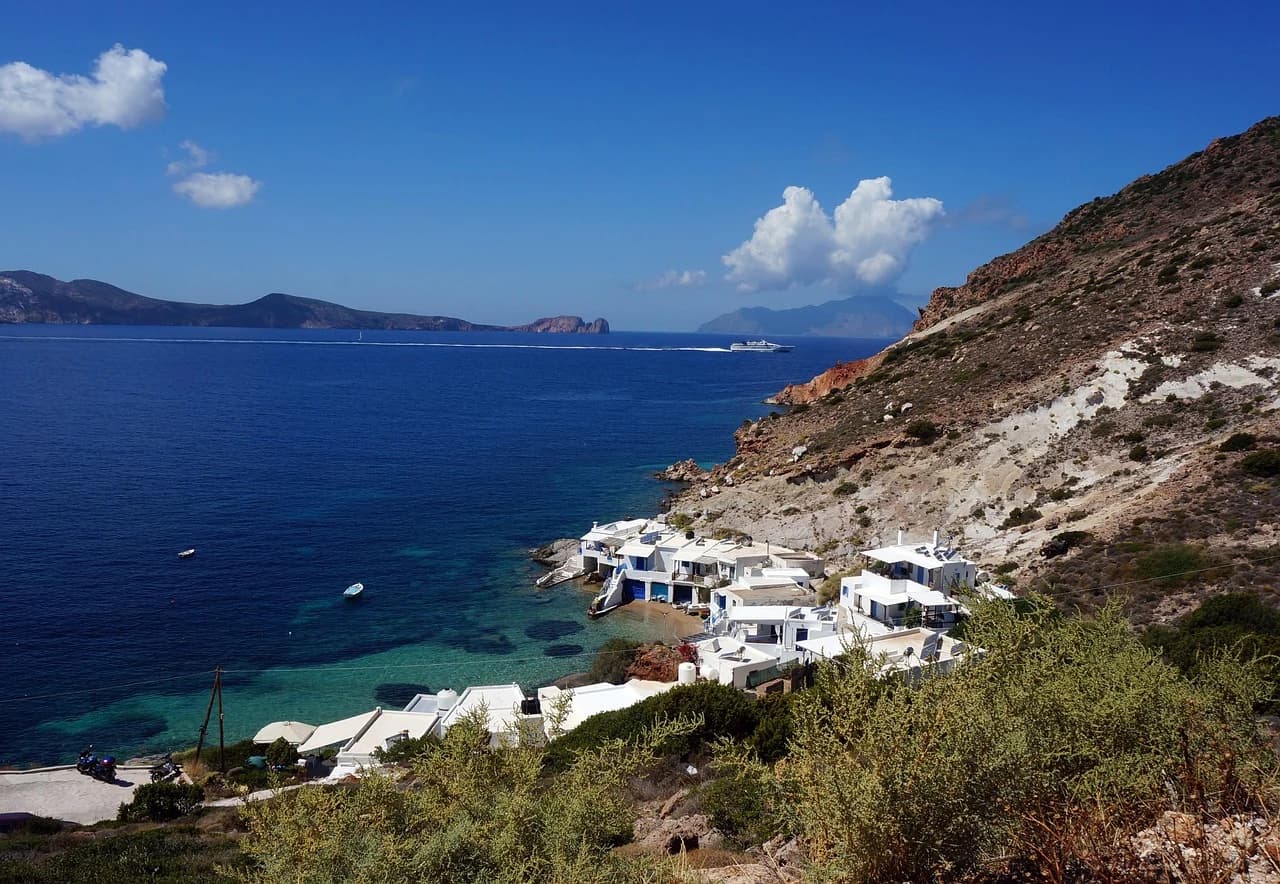
Take a seaside stroll through the colourful syrmata fishing villages of Klima, Mandrakia or Firopotamos for authentic island life.
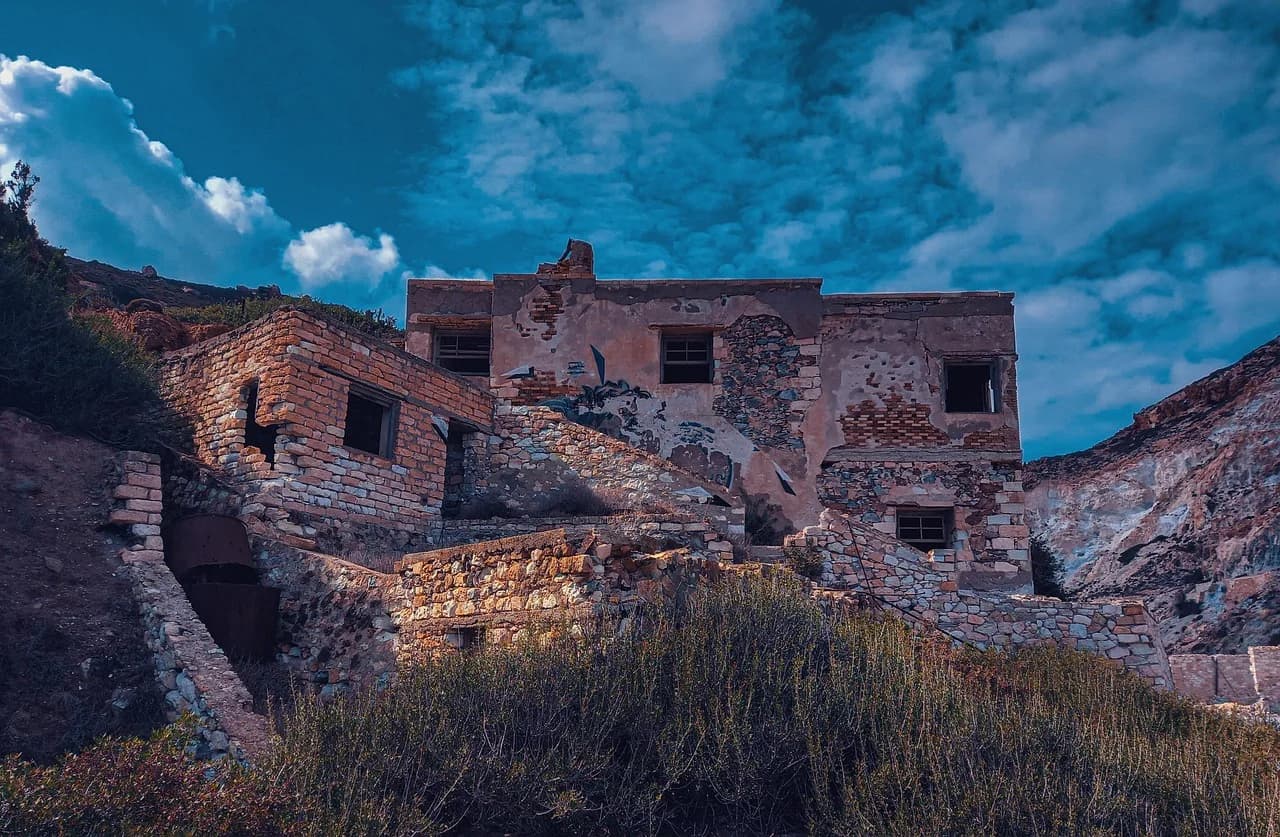
Hike to the ghostly Thiorichia (Paliorema) sulphur mine or down to Tsigrado and Firiplaka for technicolour south-coast beaches.
Here are the unmissable highlights of Milos — distilled from its volcanic drama, authentic villages, and luminous seas. Use this quick list to plan a first-time visit or to focus a short stay.
Walk the lunar-white rocks of Sarakiniko at sunrise or under a full moon for otherworldly photos.
Explore Kleftiko’s pirate caves and turquoise lagoons on a boat trip with swimming and snorkelling stops.
Visit Plaka’s hilltop Kastro for a panoramic sunset, then wander to tavernas in the bougainvillea-lined lanes.
Take a seaside stroll through the colourful syrmata fishing villages of Klima, Mandrakia or Firopotamos for authentic island life.
Hike to the ghostly Thiorichia (Paliorema) sulphur mine or down to Tsigrado and Firiplaka for technicolour south-coast beaches.
Milos’ food culture is honest and elemental: fisherman’s catches, farm-to-table comfort, and recipes shaped by volcanic soil and sea air. Expect slow, shared meals in seaside tavernas, village cafés and bakeries—with house wine and a friendly kerasma to finish.
Pitarakia – bite-sized fried cheese pies (usually xinomyzithra or manoura with mint); grab them hot from island bakeries and cosy village cafés.
Sun‑dried octopus – hung in the Aegean sun, then char‑grilled for smoky tenderness; best at waterfront psarotavernas in Pollonia or Mandrakia with the clack of tavli and a glass of ouzo.
Karpouzopita – Milos’ summer watermelon pie, lightly sweet with sesame and honey; find it in local bakeries or as a kerasma on leafy Plaka terraces.
Volcanic‑cooked dishes – fish and meats slow‑baked by geothermal heat in the sand at Paliochori; a theatrical, toes‑in‑the‑sand lunch at relaxed beach tavernas.
Milos’ food culture is honest and elemental: fisherman’s catches, farm-to-table comfort, and recipes shaped by volcanic soil and sea air. Expect slow, shared meals in seaside tavernas, village cafés and bakeries—with house wine and a friendly kerasma to finish.
Pitarakia – bite-sized fried cheese pies (usually xinomyzithra or manoura with mint); grab them hot from island bakeries and cosy village cafés.
Sun‑dried octopus – hung in the Aegean sun, then char‑grilled for smoky tenderness; best at waterfront psarotavernas in Pollonia or Mandrakia with the clack of tavli and a glass of ouzo.
Karpouzopita – Milos’ summer watermelon pie, lightly sweet with sesame and honey; find it in local bakeries or as a kerasma on leafy Plaka terraces.
Volcanic‑cooked dishes – fish and meats slow‑baked by geothermal heat in the sand at Paliochori; a theatrical, toes‑in‑the‑sand lunch at relaxed beach tavernas.
Choosing the right base in Milos shapes your whole trip: distances are real, winds shift, and each area has a distinct feel. Think about how you’ll get around, the vibe you want (buzz vs. hush), and whether sunsets, beaches or boats are your priority.
Adamas — Central and convenient for first‑timers; walk to ferries, buses and eateries, lively waterfront, easiest for tours but some traffic and port noise.
Plaka & Tripiti — Hilltop, historic and romantic; car‑free lanes, big sunset views and culture, best for wanderers happy to climb and drive to beaches.
Pollonia — Relaxed fishing‑village vibe; shallow beaches, excellent seafood, boat hops to Kimolos, quiet evenings—great for families and food lovers.
South Coast (Provatas/Paliochori) — Beach‑first and scenic; organised sands and colourful cliffs, fewer shops, car essential, ideal when the Meltemi blows.
Choosing the right base in Milos shapes your whole trip: distances are real, winds shift, and each area has a distinct feel. Think about how you’ll get around, the vibe you want (buzz vs. hush), and whether sunsets, beaches or boats are your priority.
Adamas — Central and convenient for first‑timers; walk to ferries, buses and eateries, lively waterfront, easiest for tours but some traffic and port noise.
Plaka & Tripiti — Hilltop, historic and romantic; car‑free lanes, big sunset views and culture, best for wanderers happy to climb and drive to beaches.
Pollonia — Relaxed fishing‑village vibe; shallow beaches, excellent seafood, boat hops to Kimolos, quiet evenings—great for families and food lovers.
South Coast (Provatas/Paliochori) — Beach‑first and scenic; organised sands and colourful cliffs, fewer shops, car essential, ideal when the Meltemi blows.
Travel to Milos is straightforward, with regular ferries and a small airport from Athens, but a few logistics make planning smoother. The island is spread out and winds can shape your days, so timing and transport choices matter.
Affordability: Mid-range overall—bakery/gyros €3–5, taverna dinners €20–35 per person, seafood or fine dining €50–100+ per person, and summer doubles in boutique stays often €150–300+ (notably cheaper in shoulder season).
Transport: Beyond village centres it’s not walkable—rent a car/ATV (pre‑book in summer), use limited KTEL buses for main routes, take the Pollonia–Kimolos local ferry for an easy day trip, and consider boat tours for Kleftiko/Sykia.
Language: Greek is the official language, but English is widely understood in tourism; a few polite phrases (efcharistó, parakaló, siga‑siga) are appreciated.
Safety & comfort: Very safe for families and solo travellers—use normal caution with valuables in ports, drive slowly on dirt roads and near cliffs, protect against strong sun and Meltemi winds, and check rental insurance for off‑road exclusions.
Crowds: July–August is peak (book ferries, cars and restaurants early), May–June and September–October have warm seas and fewer people, while winter is very quiet with many places closed.
Travel to Milos is straightforward, with regular ferries and a small airport from Athens, but a few logistics make planning smoother. The island is spread out and winds can shape your days, so timing and transport choices matter.
Affordability: Mid-range overall—bakery/gyros €3–5, taverna dinners €20–35 per person, seafood or fine dining €50–100+ per person, and summer doubles in boutique stays often €150–300+ (notably cheaper in shoulder season).
Transport: Beyond village centres it’s not walkable—rent a car/ATV (pre‑book in summer), use limited KTEL buses for main routes, take the Pollonia–Kimolos local ferry for an easy day trip, and consider boat tours for Kleftiko/Sykia.
Language: Greek is the official language, but English is widely understood in tourism; a few polite phrases (efcharistó, parakaló, siga‑siga) are appreciated.
Safety & comfort: Very safe for families and solo travellers—use normal caution with valuables in ports, drive slowly on dirt roads and near cliffs, protect against strong sun and Meltemi winds, and check rental insurance for off‑road exclusions.
Crowds: July–August is peak (book ferries, cars and restaurants early), May–June and September–October have warm seas and fewer people, while winter is very quiet with many places closed.
Seasonality shapes travel in Milos: the island shines in the shoulder months, hums with energy in midsummer, and turns contemplative in winter. The Meltemi wind (mainly July–August) often pushes plans south-facing when the north is rough.
Shoulder Season (Apr–Jun, Sep–Oct): Warm, settled weather; swimmable seas (especially Sep–Oct); thinner crowds and a relaxed, authentic vibe; most businesses open.
High Summer (Jul–Aug): Hot, sunny days with strong Meltemi northerlies (head to south-facing beaches); busiest and priciest period; lively, international buzz—pre‑book boats, cars and dinners.
Winter (Nov–Mar): Mild but windier with occasional storms; many hotels and venues closed; quiet villages and raw nature—best for hikers and solitude‑seekers.
Seasonality shapes travel in Milos: the island shines in the shoulder months, hums with energy in midsummer, and turns contemplative in winter. The Meltemi wind (mainly July–August) often pushes plans south-facing when the north is rough.
Shoulder Season (Apr–Jun, Sep–Oct): Warm, settled weather; swimmable seas (especially Sep–Oct); thinner crowds and a relaxed, authentic vibe; most businesses open.
High Summer (Jul–Aug): Hot, sunny days with strong Meltemi northerlies (head to south-facing beaches); busiest and priciest period; lively, international buzz—pre‑book boats, cars and dinners.
Winter (Nov–Mar): Mild but windier with occasional storms; many hotels and venues closed; quiet villages and raw nature—best for hikers and solitude‑seekers.
Afternoon: Cruise past Gerakas’ cascading ash cliffs and the rope-access cove of Tsigrado (easiest to admire from the water). Back on land, grab a gelato in Adamas and a short rest.
Evening: Unwind at Paliochori with a geothermal shoreline soak, then dine beachside where dishes are slow-cooked in hot sand (try Sirocco). If seas were rough, swap for a Pollonia waterfront dinner and an unhurried volta.
Day 3: South-coast beaches, ancient tiers and syrmata sunset
Today blends silky beaches, a dash of exploration, and one of the island’s most romantic sunsets at the water’s edge. Rent a small car or ATV; carry plenty of water and shade.
Morning: Get to Firiplaka early for calm, turquoise swimming beneath rainbow cliffs. If you’re set on Tsigrado, descend the ladders before crowds (confident shoes, hands free); otherwise, kayak from Firiplaka round the headland.
Midday: Pick one adventure: the short trail to Gerontas’ dark-sand arch for secluded swims, or the bumpy track to the sulphur-streaked Thiorichia beach and its photogenic abandoned mine (avoid in midday heat). In high winds, choose the more sheltered Provatas.
Afternoon: Return north via Trypiti for a cool drink, then sit on the marble tiers of the ancient theatre—often empty, always atmospheric. This is a relaxed window for shopping local cheeses and capers to take home.
Evening: Time sunset at Klima; book a table right on the water at Astakas and watch colours dance on the syrmata doors. If the north wind is strong and spray reaches the front row, pivot to Tripiti Square’s benches for a wind-sheltered golden hour.
Notes for all days:
Check wind each morning (Windy, Poseidon) and flip north/south plans accordingly; north rough = head south.
July–August: pre-book boats, vehicles and dinners; arrive early for parking at popular spots.
Leave no trace on fragile tuff and sulphur cliffs; cliffs crumble—keep well back from edges.
Practical notes: book ahead June–September; the Meltemi winds (Jul–Aug) can cause delays/cancellations; arrive 45–60 minutes before departure.
By Train
No rail on Milos. For mainland access to ferries: take an intercity train to Athens (Athens/Larissa Station), then:
Metro Line 1 (Green) to Piraeus (approx. 25–35 minutes), or
Metro Line 3 (Blue) to Piraeus (Dimotiko Theatro; approx. 35–40 minutes), or
Suburban rail (Proastiakos) to Piraeus.
Walk from Piraeus stations to the ferry gates (allow 10–15 minutes depending on gate).
By Bus
From Athens Airport (ATH): X96 express bus to Piraeus port, 24/7, approx. 60–90 minutes depending on traffic.
From central Athens: X80 (seasonal express Syntagma–Piraeus, approx. 30–45 minutes) or 040 (Syntagma–Piraeus night service). Metro is often faster and more predictable.
KTEL Attikis serves Rafina and Lavrio ports (limited or no direct Milos services; most Milos sailings use Piraeus).
By Car
Drive to Piraeus and take a car ferry to Milos (reserve a vehicle space in advance in summer). Parking near Piraeus gates is limited; consider long‑stay car parks or park‑and‑ride then metro.
Driving times (typical): central Athens to Piraeus 25–45 minutes; Athens Airport to Piraeus 45–75 minutes. To alternative ports: Rafina 45–75 minutes, Lavrio 60–90 minutes (few/no Milos routes).
On arrival in Milos (Adamas), you can drive off the ship; car hire is widely available.
Affiliate links help keep Savler free, at no extra cost to you.
If you crave raw landscapes, quiet authenticity and discovery‑led days, Milos is your island. Volcanic beaches, pirate caves and colourful fishing hamlets set an otherworldly yet genuinely Greek tone—more soulful and less showy than Mykonos or Santorini. Best for travellers who value exploration, good food and sea days over nightlife; shoulder seasons amplify its calm.
Scenery seekers: The lunar rocks of Sarakiniko, technicolour cliffs of Firiplaka and boat‑only arches of Kleftiko deliver jaw‑dropping vistas with fewer crowds than Santorini.
Active travellers: Swim and snorkel through sea caves at Kleftiko, hike to abandoned sulphur mines, and explore 70+ beaches by ATV or boat—Milos rewards curiosity.
History lovers: Trace early Christian catacombs, a Roman theatre and the discovery site of the Venus de Milo, then sail past pirate hideouts where stories come alive.
Foodies: Feast on boat‑fresh seafood in Mandrakia, farm‑to‑table dishes at O! Hamos!, and volcanic‑baked meals at Paliochori—serious flavour without Mykonos price‑tags or pretence.
Romantics: Sunsets from Plaka’s Kastro, stays in colourful syrmata by the sea, and moonlit Sarakiniko make Milos a quieter, dreamier alternative to Santorini.
Photographers: Otherworldly whites, mineral reds and electric‑blue coves give endless compositions at dawn, golden hour and under a full moon.