Share Marseille with friends and start planning your trip together.
How to get to Marseille
Have a great tip for Marseille or another alternative to popular destinations?
Share your thoughts on Marseille or suggest another authentic alternative to popular destinations. Your tips help others rediscover their love of travelling - while giving popular destinations a little room to breathe.
Please help us keep all core features free to use by using these affiliate links!
Day 1: Old Port, Le Panier and street‑art energy
Ease into Marseille through its maritime heart and oldest streets. Today mixes fishermen’s bustle, Mediterranean history, spice‑scented markets and a creative, bohemian finish.
Morning: Be at the Vieux‑Port fish market by 8:30 for the show of boats and bargaining, then stroll up into Le Panier’s lanes via Place de Lenche and La Vieille Charité. Grab coffee and a pastry from a local boulangerie; the hills are steep, so wear comfy shoes.
Midday: Cross the footbridges to Fort Saint‑Jean and the MuCEM; even if you skip the exhibitions, the rooftop and ramparts have knockout harbour views. If it’s the first Sunday of the month, plan museum time then (many collections are free).
Afternoon: Dive into Noailles and the Marché des Capucins for olives, mint and spice stalls; say “Bonjour” before ordering and let vendors choose produce for you. Continue to Cours Julien for an open‑air street‑art gallery and indie shops (Wednesday brings an organic farmers’ market).
Evening: Book a neo‑bistro around Cours Julien (natural wines are the norm) and linger for a vernissage if galleries are opening (often Thu/Fri). If a mistral is blowing, it can feel chilly after dark even in summer—bring a light layer.
Day 2: Sea day – calanques or islands, sunset on the Corniche
Marseille lives by the sea; tailor today to the season and heat. Pick a calanque hike when trails are open, or sail to the islands for lazy swims and turquoise coves.
Morning: For the wild option, take bus B1 to Luminy and hike 35–45 mins down to the Calanque de Sugiton (free reservation required on peak summer dates; sturdy trainers and 1.5L water per person are essential). If paths are closed for fire risk or it’s very hot, ferry to the Frioul islands for an easier walk and swim at Plage de Saint‑Estève.
By Air
Marseille Provence Airport (MRS), Marignane (c. 25 km NW).
To city centre: airport coach to Saint‑Charles station every 10–15 min; journey ~25–30 min.
TER option: free shuttle (5 min) to Vitrolles Aéroport station, then TER to Marseille Saint‑Charles (~18–25 min).
Taxis/ride‑hailing: ~25–40 min to central Marseille (traffic‑dependent).
Other nearby airports: Toulon‑Hyères (TLN, ~1h15–1h30 by car), Avignon (AVN, ~1h), Montpellier (MPL, ~1h30–2h), Nice (NCE, ~2–2h30).
Long‑haul usually via Paris CDG/Orly; extensive European links on Air France/Transavia, Ryanair, easyJet, Lufthansa, Vueling, etc.
Barcelona ~4h30–5h (Renfe, limited direct services)
Night train: Intercités de Nuit on the Côte d’Azur–Paris route calls at Marseille on some dates.
Marseille is a crowd-light Mediterranean port with big-city soul—authentic, affordable, and rich in experiences without the queues.
Vibe: Raw, multicultural energy by the sea—street art, hip‑hop and football chants in the air—more lived‑in than polished, with space to breathe compared to classic, crowd‑choked city breaks.
Culture & neighbourhoods: Wander the Vieux‑Port, climb to Notre‑Dame de la Garde for sweeping views, cross MuCEM’s footbridges to Fort Saint‑Jean, then dive into Le Panier’s lanes and Cours Julien’s murals; markets like Noailles’ Marché des Capucins deliver daily theatre without blockbuster lines.
Food & traditions: Feast on charter‑true bouillabaisse in Vallon des Auffes, panisse in L’Estaque, and orange‑blossom navettes from Four des Navettes; sip a pastis over pétanque—top value versus glitzier coasts.
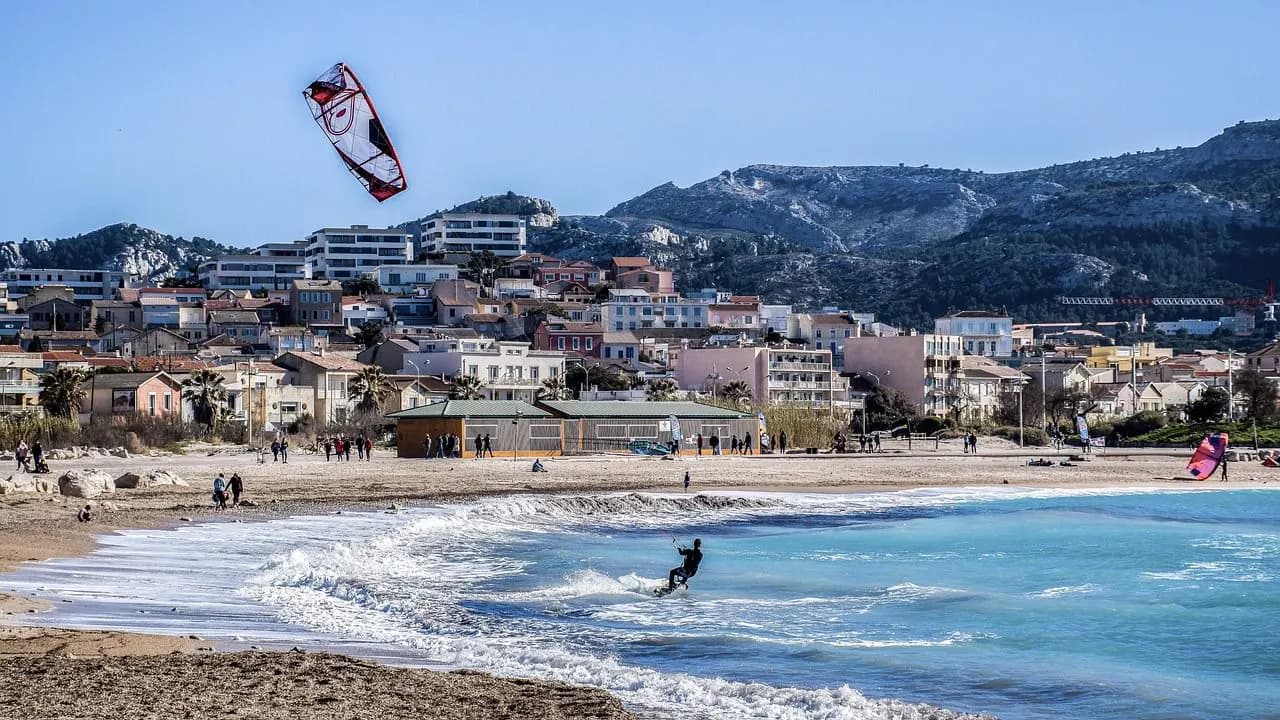
Sea & outdoors: Hike or boat to the Calanques (Sormiou, Sugiton), swim off the Frioul Islands, and end the day in Les Goudes; sunny, slow‑paced lunches and budget‑friendly stays make the seaside lifestyle refreshingly accessible.
If you love cities with raw authenticity, sea air and a multicultural buzz, Marseille will get under your skin. It blends ancient port history, cutting‑edge street art and sun‑drenched coastal nature in a way few European cities do. Come for the calanques and bouillabaisse; stay for the markets, music and that unmistakable Marseillais spirit.
History lovers: Walk from Greek Massalia to the Vieux‑Port and MuCEM, with Le Panier’s lanes offering living history that’s grittier than Paris and proudly local.
Scenery seekers: Sail or hike to the Calanques, catch sunset in Les Goudes, and soak up that crystalline Mediterranean light you won’t find in London or Berlin.
Active travellers: Kayak, snorkel or climb in the Calanques, swim off urban coves, then wind down with pétanque on Prado’s sands.
Foodies: Slurp charter‑true bouillabaisse, graze Noailles’ souk‑like markets, and try panisse, pizza trucks and winter sea urchins—more spice and soul than Nice.
Art & culture fans: Dive into Cours Julien’s street art, La Friche’s creative hub, and heavyweight museums (MAC, Cantini, MuCEM’s showpiece architecture).
City‑breakers: Expect late‑night terraces, pastis, and OM football fervour; a high‑energy, unfiltered vibe that’s less polished than Paris, more real than the Riviera.
Here are the unmissable highlights of Marseille: perfect for first-timers and repeat visitors alike. Use this short list to hit the city’s essential sights, flavours and coastal adventures.
Walk the Vieux-Port at dawn to the fish market, then thread Le Panier’s lanes of pastel facades and street art.
Explore MuCEM and Fort Saint-Jean, crossing the dramatic footbridges for sweeping views over the Mediterranean.
Visit Noailles and the Marché des Capucins for spices, pastries and a true taste of Marseille’s multicultural soul.
Take a boat to the Frioul Islands or a dip at Plage des Catalans and the Prado for easy urban beach time.
Hike the Calanques (Sormiou, Morgiou or Sugiton) for turquoise coves, white limestone cliffs and unforgettable swims.
Here are the unmissable highlights of Marseille: perfect for first-timers and repeat visitors alike. Use this short list to hit the city’s essential sights, flavours and coastal adventures.
Walk the Vieux-Port at dawn to the fish market, then thread Le Panier’s lanes of pastel facades and street art.
Explore MuCEM and Fort Saint-Jean, crossing the dramatic footbridges for sweeping views over the Mediterranean.
Visit Noailles and the Marché des Capucins for spices, pastries and a true taste of Marseille’s multicultural soul.
Take a boat to the Frioul Islands or a dip at Plage des Catalans and the Prado for easy urban beach time.
Hike the Calanques (Sormiou, Morgiou or Sugiton) for turquoise coves, white limestone cliffs and unforgettable swims.
Marseille’s food culture blends ancient fishing traditions with North African and Italian influences, fiercely proud of its classics yet buzzing with new-wave bistros. Expect lively harbour cafés, spice-filled markets, and sunset bars along the Corniche—perfect for grazing all day and night.
Bouillabaisse – a rich saffron fish stew served in two courses with rouille and croutons; a splurge best enjoyed at old-school port-side tables with boats bobbing outside.
Couscous in Noailles – fluffy semolina with slow-cooked meats or vegetables and a spoon of harissa; eat in family-run canteens amid the market’s spice-laden bustle.
Pastis – the classic anise aperitif (dilute 1:5 with cold water) sipped before dinner; order at a neighbourhood bar and linger on a shaded terrace.
Panisse & chichis frégis – chickpea fritters and seaside doughnuts from L’Estaque kiosks; a salty-sweet street-food fix for strolls along the waterfront.
Marseille’s food culture blends ancient fishing traditions with North African and Italian influences, fiercely proud of its classics yet buzzing with new-wave bistros. Expect lively harbour cafés, spice-filled markets, and sunset bars along the Corniche—perfect for grazing all day and night.
Bouillabaisse – a rich saffron fish stew served in two courses with rouille and croutons; a splurge best enjoyed at old-school port-side tables with boats bobbing outside.
Couscous in Noailles – fluffy semolina with slow-cooked meats or vegetables and a spoon of harissa; eat in family-run canteens amid the market’s spice-laden bustle.
Pastis – the classic anise aperitif (dilute 1:5 with cold water) sipped before dinner; order at a neighbourhood bar and linger on a shaded terrace.
Panisse & chichis frégis – chickpea fritters and seaside doughnuts from L’Estaque kiosks; a salty-sweet street-food fix for strolls along the waterfront.
Choosing where to stay in Marseille is about picking the right neighbourhood vibe, not a specific hotel. Each area delivers a different slice of the city—from historic lanes to beachside calm. Use this quick guide to match a base to your plans.
Vieux-Port — central, buzzing waterfront with ferries and M1 metro; ideal for first‑timers who want sights, restaurants and nightlife (expect late noise).
Le Panier — historic lanes, ateliers and street art; suits history lovers and couples seeking charm and quieter evenings, but note steps and hills.
Cours Julien/La Plaine — boho heart with murals, indie bars and a Wednesday organic market; best for creatives and night owls, lively at weekends.
Prado & Borély (8th) — near Prado beaches and Parc Borély; family‑friendly, calmer and seaside‑focused, farther from the centre but well served by M2 and buses.
Choosing where to stay in Marseille is about picking the right neighbourhood vibe, not a specific hotel. Each area delivers a different slice of the city—from historic lanes to beachside calm. Use this quick guide to match a base to your plans.
Vieux-Port — central, buzzing waterfront with ferries and M1 metro; ideal for first‑timers who want sights, restaurants and nightlife (expect late noise).
Le Panier — historic lanes, ateliers and street art; suits history lovers and couples seeking charm and quieter evenings, but note steps and hills.
Cours Julien/La Plaine — boho heart with murals, indie bars and a Wednesday organic market; best for creatives and night owls, lively at weekends.
Prado & Borély (8th) — near Prado beaches and Parc Borély; family‑friendly, calmer and seaside‑focused, farther from the centre but well served by M2 and buses.
Marseille is straightforward to visit, with fast TGV links, an efficient airport and a compact centre anchored by the Old Port. Getting around is easy by metro, tram and boats, but a few local quirks (long lunch breaks, Sunday closures and the mistral wind) are worth knowing. The more you plan for heat, hills and beaches, the smoother it feels.
Affordability: Expect €15–20 for a plat du jour, €40–70 per person for a mid‑range dinner with wine (bouillabaisse €60–90+), coffee €2–3; mid‑range hotels run ~€120–220 per night (good budget options €60–100).
Transport: The Old Port, Le Panier and Cours Julien are walkable; use RTM metro/tram/buses for hills and distance, boat shuttles for Frioul/Les Goudes, TER trains for day trips (Aix ~35 min, Cassis ~30 min), and note that driving/parking in the centre is inconvenient.
Language: French is the main language and English is usually understood in hotels, museums and central restaurants, but far less in markets and local eateries—opening with a “Bonjour” and a few basics goes a long way.
Safety & comfort: Generally safe and welcoming for families and solo travellers; use normal city smarts against pickpockets (Vieux‑Port, markets, metro, beaches), keep bags in sight, be cautious around Saint‑Charles late at night, and be mindful of summer heat, occasional mistral winds, jellyfish and post‑rain water‑quality alerts.
Crowds: July–August (and sunny weekends) are busiest with cruise calls and beaches packed; May–June and September–October are ideal; winter is mild and quiet, and note Calanques summer access limits/reservations and widespread Sunday shop closures.
Marseille is straightforward to visit, with fast TGV links, an efficient airport and a compact centre anchored by the Old Port. Getting around is easy by metro, tram and boats, but a few local quirks (long lunch breaks, Sunday closures and the mistral wind) are worth knowing. The more you plan for heat, hills and beaches, the smoother it feels.
Affordability: Expect €15–20 for a plat du jour, €40–70 per person for a mid‑range dinner with wine (bouillabaisse €60–90+), coffee €2–3; mid‑range hotels run ~€120–220 per night (good budget options €60–100).
Transport: The Old Port, Le Panier and Cours Julien are walkable; use RTM metro/tram/buses for hills and distance, boat shuttles for Frioul/Les Goudes, TER trains for day trips (Aix ~35 min, Cassis ~30 min), and note that driving/parking in the centre is inconvenient.
Language: French is the main language and English is usually understood in hotels, museums and central restaurants, but far less in markets and local eateries—opening with a “Bonjour” and a few basics goes a long way.
Safety & comfort: Generally safe and welcoming for families and solo travellers; use normal city smarts against pickpockets (Vieux‑Port, markets, metro, beaches), keep bags in sight, be cautious around Saint‑Charles late at night, and be mindful of summer heat, occasional mistral winds, jellyfish and post‑rain water‑quality alerts.
Crowds: July–August (and sunny weekends) are busiest with cruise calls and beaches packed; May–June and September–October are ideal; winter is mild and quiet, and note Calanques summer access limits/reservations and widespread Sunday shop closures.
With a classic Mediterranean climate, Marseille enjoys long sunny spells; summers are hot and buzzy, while winters are mild but wind-prone with the mistral. Calanques access can be restricted in peak summer for fire risk (and Sugiton often needs a free reservation), so shoulder months are especially rewarding.
Shoulder Season (Apr–Jun & Sep–Oct): Warm and mostly sunny (18–26°C), manageable crowds, Calanques generally open; relaxed local vibe ideal for markets, street art and sea swims.
High Summer (Jul–Aug): Hot (28–34°C) and the busiest—packed beaches, late-night buzz and festivals; sea is warm, but Calanques may close on high-risk days and some require reservations.
Winter (Nov–Mar): Mild–cool (8–15°C) with crisp, mistral-cleared skies; few crowds and lower prices—great for museums, bouillabaisse and coastal walks (sea is chilly, some venues on reduced hours).
With a classic Mediterranean climate, Marseille enjoys long sunny spells; summers are hot and buzzy, while winters are mild but wind-prone with the mistral. Calanques access can be restricted in peak summer for fire risk (and Sugiton often needs a free reservation), so shoulder months are especially rewarding.
Shoulder Season (Apr–Jun & Sep–Oct): Warm and mostly sunny (18–26°C), manageable crowds, Calanques generally open; relaxed local vibe ideal for markets, street art and sea swims.
High Summer (Jul–Aug): Hot (28–34°C) and the busiest—packed beaches, late-night buzz and festivals; sea is warm, but Calanques may close on high-risk days and some require reservations.
Winter (Nov–Mar): Mild–cool (8–15°C) with crisp, mistral-cleared skies; few crowds and lower prices—great for museums, bouillabaisse and coastal walks (sea is chilly, some venues on reduced hours).
Midday: Picnic with market finds; water shoes help on pebbles and sea‑urchin‑prone rocks. With children or if you prefer sand and facilities, aim for Plage du Prophète or Pointe Rouge; avoid a dip for 48–72 hours after heavy rain and check live water quality.
Afternoon: Return along the Corniche Kennedy for big‑screen coastal views; detour into the tiny port of Vallon des Auffes for photos. On very windy mistral days, seas are rough—stick to sheltered spots.
Evening: Splurge on bouillabaisse (book 24 hours ahead) at a charter restaurant such as Chez Fonfon in Vallon des Auffes or Le Miramar on the Vieux‑Port; it’s a two‑service ritual and not a quick meal. In summer, RTM boat shuttles can link the Vieux‑Port, Pointe Rouge and Les Goudes—glorious at golden hour.
Day 3: Culture, viewpoints and Marseillais nights
Blend fine art with Marseille’s big panoramas and choose between a beach dash, a stadium roar or a laid‑back pastis night. Sundays are family‑quiet: many shops close, museums are lively.
Morning: Tram or walk to Palais Longchamp for the Musée des Beaux‑Arts and a wander through the gardens; it’s a gentle start if you hiked yesterday. Alternatively, head to La Friche la Belle de Mai for contemporary shows and creative studios (its rooftop opens for events in season).
Midday: Lunch at Les Grandes Tables at La Friche or around Cinq‑Avenues, then bus 60 (or a steady uphill walk) to Notre‑Dame de la Garde for the best 360° view of the city and sea. On bright winter days the mistral scrubs the air crystal clear—ideal for photos.
Afternoon: Drop down via Saint‑Victor to pick up orange‑blossom navettes at the historic Four des Navettes (extra special at Candlemas in early February). If it’s warm, take a quick dip at Plage des Catalans or sun on the rocks at Anse de Maldormé; mind currents and keep valuables off the sand.
Evening: If OM are at home, ride Metro line 2 to the Stade Vélodrome for a match—arrive early to soak up chants and tifo; otherwise, book a relaxed dinner in Vauban or Endoume and master the pastis ritual (1:5 with water, ice after). For a late‑night stroll, the Vieux‑Port is lively but keep bags zipped—like any big city.
Regional TER: frequent services along the coast (Toulon, Cannes, Nice) and inland (Aix‑en‑Provence, Arles, Avignon).
Aix‑en‑Provence TGV (18 km N): some high‑speed services stop here; shuttle coach to Marseille ~30–40 min.
By Bus/Coach
Saint‑Charles Coach Station (next to the rail station) is the hub for regional and international services (FlixBus, BlaBlaCar Bus).
Typical times: Lyon ~4–5h, Nice ~2h45–3h30, Paris ~10–12h, Barcelona ~7–8h, Milan ~7–8h.
Airport coach: Saint‑Charles ↔ MRS every 10–15 min; ~25–30 min.
By Car
Motorways:
A7 from the north (Lyon); A9/A54/A55 from Occitanie/Spain; A50 from Toulon/Var; A8 then A52/A50 from the Côte d’Azur.
Approximate drive times: Lyon ~3–3h30; Nice ~2–2h30; Montpellier ~1h45–2h; Toulouse ~4–5h; Paris ~7–8h; Barcelona ~5–6h.
Expect tolls on autoroutes; heavy summer congestion on A7/A8 and at city entries.
Low‑Emission Zone (ZFE): Crit’Air sticker recommended; older vehicles face restrictions on pollution peaks.
Parking is limited in the centre; use signed car parks or P+R at metro/tram nodes.
By Ferry
Port of Marseille (La Joliette terminals) with routes to Corsica (Ajaccio, Bastia, Porto‑Vecchio, Propriano), Algeria (Algiers, Oran) and Tunisia (Tunis) via Corsica Linea, La Méridionale, CTN, etc.
Affiliate links help keep Savler free, at no extra cost to you.
If you love cities with raw authenticity, sea air and a multicultural buzz, Marseille will get under your skin. It blends ancient port history, cutting‑edge street art and sun‑drenched coastal nature in a way few European cities do. Come for the calanques and bouillabaisse; stay for the markets, music and that unmistakable Marseillais spirit.
History lovers: Walk from Greek Massalia to the Vieux‑Port and MuCEM, with Le Panier’s lanes offering living history that’s grittier than Paris and proudly local.
Scenery seekers: Sail or hike to the Calanques, catch sunset in Les Goudes, and soak up that crystalline Mediterranean light you won’t find in London or Berlin.
Active travellers: Kayak, snorkel or climb in the Calanques, swim off urban coves, then wind down with pétanque on Prado’s sands.
Foodies: Slurp charter‑true bouillabaisse, graze Noailles’ souk‑like markets, and try panisse, pizza trucks and winter sea urchins—more spice and soul than Nice.
Art & culture fans: Dive into Cours Julien’s street art, La Friche’s creative hub, and heavyweight museums (MAC, Cantini, MuCEM’s showpiece architecture).
City‑breakers: Expect late‑night terraces, pastis, and OM football fervour; a high‑energy, unfiltered vibe that’s less polished than Paris, more real than the Riviera.