Share Leros with friends and start planning your trip together.
How to get to Leros
Have a great tip for Leros or another alternative to popular destinations?
Share your thoughts on Leros or suggest another authentic alternative to popular destinations. Your tips help others rediscover their love of travelling - while giving popular destinations a little room to breathe.
Please help us keep all core features free to use by using these affiliate links!
Day 1: Ease into island life on the sheltered east coast
Start slow and local, with your first swims where the water is calm and clear. Today blends gentle beach time with classic village scenes beneath the castle.
Morning: Coffee and a bakery stop in Agia Marina, then a first dip at the town beach (Blue Flag; perfect for families). Continue to Alinda for a longer swim; hire a scooter or use the bus if you prefer not to walk the bay.
Midday: Settle on Alinda’s sunbeds (often complimentary if you lunch at the taverna behind them). Try paddle-boarding if the sea is flat; in high summer, take a shaded siesta under the tamarisk trees between 13:00–16:00 when the sun bites.
Afternoon: Move around the headland to Dio Liskaria for turquoise water and laid-back beach-bar vibes; bring sea shoes for pebble entry and snorkelling around the rocks. If there’s a light northerly breeze, conditions here remain lovely; with stronger meltemi winds, skip north-facing coves and aim for Vromolithos instead.
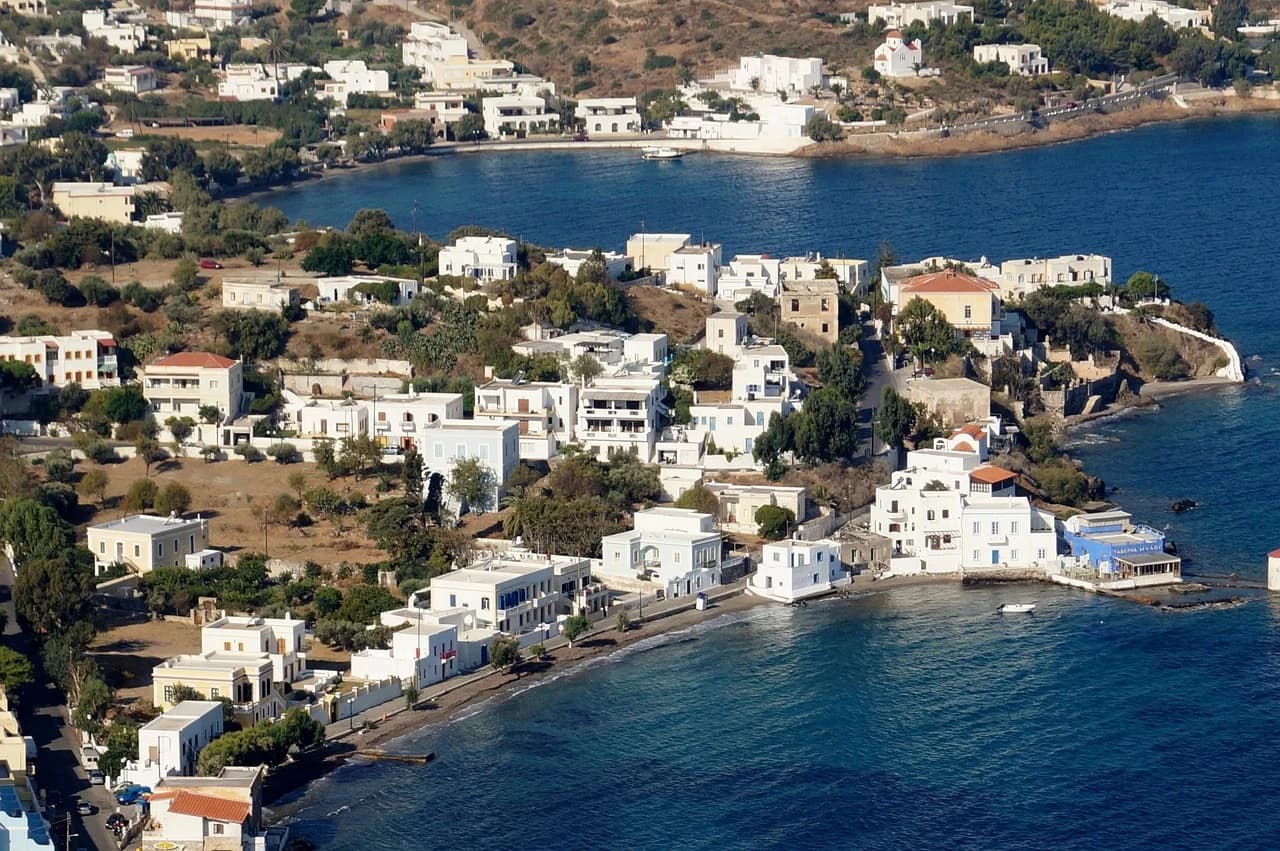
Evening: Roll down to Panteli for a sunset swim beside bobbing fishing boats, then eat fresh fish at a table on the pebbles. Join the easygoing volta along the waterfront; taxis are simple to arrange back to your base.
Day 2: Quiet northern coves and the story of Lakki
This is your serene-and-story day: lake-calm water beneath tamarisks, a moving little chapel from Greece’s modern history, and rationalist-era architecture by the big natural harbour.
Morning: Drive to Blefoutis for a long, unhurried swim in its protected bay; it’s almost always calm even when elsewhere is choppy. Order a mid-morning freddo under the trees and watch the colours shift across the water.
Midday: Continue to Agia Kioura for the poignant chapel painted by political exiles and a wild, facility-free swim; bring water, snacks and good footwear for the track. In July–August meltemi, swap this for sheltered Xirokampos on the south coast.
By Air
Leros Municipal Airport (LRS), at Partheni (north Leros). Taxi times: 10–15 min to Agia Marina/Alinda/Panteli, 15–20 min to Lakki, 20–25 min to Xirokampos.
Athens (ATH) to Leros: ~50–60 minutes, year‑round (typically daily in summer; fewer in winter). Operated by Olympic Air/Aegean; schedules vary seasonally.
No international flights to Leros. Nearest international gateways:
Kos (KGS): frequent summer flights from Europe; ferry to Leros ~1–3 hours depending on vessel and route.
Rhodes (RHO): extensive international network; ferry to Leros ~3.5–6 hours (longer on slower services).
Samos (SMI): seasonal international and domestic flights; ferry to Leros ~2.5–4 hours.
Kalymnos (JKL): limited domestic flights; ferry to Leros ~50–90 minutes.
By Sea
Ports on Leros: Lakki (main port) and Agia Marina (some high‑speed services). Check your ticket for the arrival port.
From Piraeus (Athens): Blue Star Ferries overnight services, ~8.5–11 hours, usually daily in summer and several times weekly off‑season.
Leros is a crowd-light Dodecanese island where clear-water coves, fishing‑village rhythms and living history stand in for queues, hype and beach-club noise.
Atmosphere: Laid-back and genuinely local; morning swims and siesta-quiet afternoons give way to an evening volta along Alinda and Panteli, tamarisk shade, backgammon and the thwack of raketes on the shore.
Culture & history: From Lakki’s rare Italian rationalist architecture to the Castle of Panagia above Panteli, the poignant Agia Kioura chapel, and WWII relics (including the tunnel War Museum and accessible wreck dives), heritage is ever-present without the crowds.
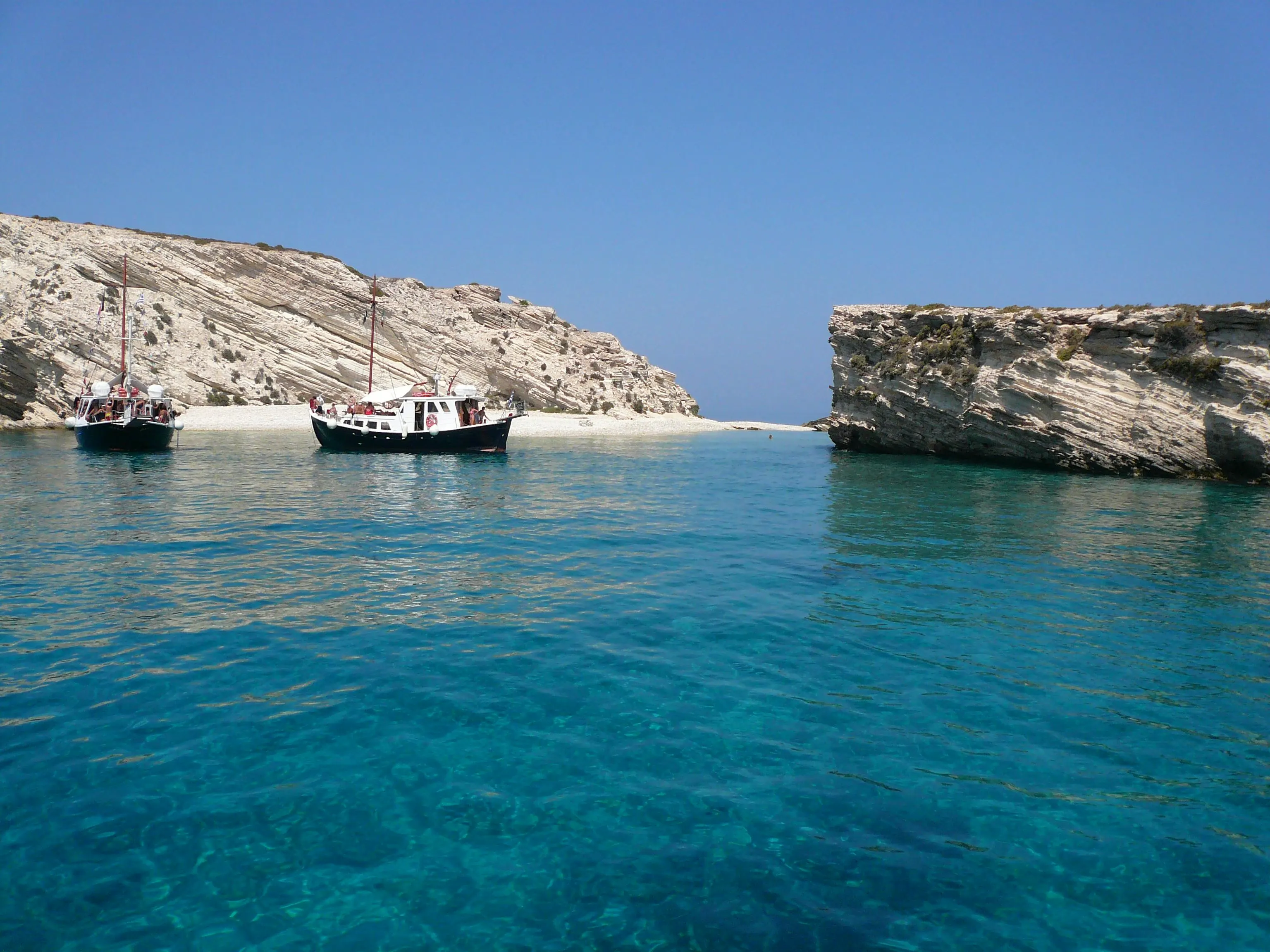
Sea & nature: A coastline of pebbly-sand mixes and secluded coves—organised stretches at Alinda, Panteli and Vromolithos; serene Blefoutis; west-coast sunsets at Gourna; hire a small boat to hidden Kryfos or follow newly cleared coastal paths.
Food & value: Waterfront fish tavernas serve the day’s catch, meze and island staples (try a freddo or local soumada); prices feel fair, sunbeds are often included with lunch, and stays are small-scale and family-run—more authenticity, less markup.
Leros suits travellers seeking authentic Greek-island life, clear seas, and unhurried days on uncrowded, varied beaches. It’s an understated alternative—quieter than Rhodes and Kos—where WWII history, Italian-era Lakki, and working fishing villages sit beside superb swimming and snorkelling. Getting around by scooter, car or boat makes it easy to hop between organised beaches and wild coves.
History lovers: Explore WWII tunnels at the Leros War Museum in Merikia, the Byzantine castle above Panteli, and the evocative Agia Kioura chapel painted by political exiles.
Scenery seekers: Trace an intricate coastline from photogenic Panteli beneath the castle to sunset-rich Gourna and tree-shaded Blefoutis.
Active travellers: Hike emerging coastal paths, paddleboard calm bays, and rent a small boat to reach hidden coves like Kryfos for top-notch snorkelling.
Families: Count on gentle, shallow waters at Alinda and Gourna, organised sections with shade, and laid-back tavernas right on the beach.
Foodies: Savour just-landed seafood at Panteli’s waterfront tables and long, simple lunches under tamarisks at Blefoutis.
Divers & snorkellers: Enjoy exceptional visibility and guided dives to WWII wrecks, with centres around Xirokampos and superb shore snorkelling across the island.
These are the unmissable highlights of Leros: a compact island where pristine coves, living history and authentic village life come together. Use this shortlist to plan days that blend swims, strolls and soul-stirring views.
Walk the west-facing shore of Gourna at dusk for warm shallows and show-stopping Aegean sunsets.
Explore Lakki’s Italian rationalist architecture and the WWII tunnel exhibits at the Leros War Museum in nearby Merikia.
Visit Panteli’s pebble beach for a swim then eat fresh fish at waterfront tavernas beneath the Kastro.
Take a small boat to hidden coves like Kryfos and serene inlets around the coast for snorkelling in crystal-clear water.
Hike coastal paths linking Alinda, Dio Liskaria and Vromolithos, or head north between Blefoutis and Agia Kioura for wild solitude.
These are the unmissable highlights of Leros: a compact island where pristine coves, living history and authentic village life come together. Use this shortlist to plan days that blend swims, strolls and soul-stirring views.
Walk the west-facing shore of Gourna at dusk for warm shallows and show-stopping Aegean sunsets.
Explore Lakki’s Italian rationalist architecture and the WWII tunnel exhibits at the Leros War Museum in nearby Merikia.
Visit Panteli’s pebble beach for a swim then eat fresh fish at waterfront tavernas beneath the Kastro.
Take a small boat to hidden coves like Kryfos and serene inlets around the coast for snorkelling in crystal-clear water.
Hike coastal paths linking Alinda, Dio Liskaria and Vromolithos, or head north between Blefoutis and Agia Kioura for wild solitude.
On Leros, food is inseparable from the sea: the daily catch goes straight from caiques to the grill. Expect unfussy, seasonal plates and almond-based drinks, eaten slowly in the shade or right on the pebbles. Most flavours are found at waterfront tavernas, casual cafés, and sunset ouzeris.
Grilled day‑boat fish – line-caught bream, dentex or squid, simply grilled with olive oil, lemon and oregano, with sides of horta. Best savoured at waterfront tavernas in Panteli where tables sit on the pebbles and boats bob a few metres away.
Koliós pastós (pickled mackerel) – lightly salted mackerel dressed with olive oil, vinegar and herbs; a classic meze to share. Find it in ouzeris and old‑school kafeneia around Agia Marina and Alinda, paired with ouzo and easy conversation.
Chargrilled sun‑dried octopus – tentacles dried in the Aegean breeze, then seared for a smoky, tender bite. A staple of beachside tavernas from Vromolithos to Alinda; salty‑air, feet‑in‑sand dining with cold beer.
Soumáda (almond syrup drink) – a refreshing, non‑alcoholic cooler mixed with iced water for hot afternoons. Sipped in village cafés during the evening vóLta, or picked up from bakeries and sweet shops.
Choosing where to stay in Leros is about matching the bay to your style, as each stretch of coast feels distinct. Pick a base for its vibe—family-friendly shallows, fishing-village charm, WWII-era history, or secluded serenity—then explore the rest by scooter or water taxi.
Alinda — Long sandy-and-shingle strip with calm, shallow water, cafés and watersports; best for families and first-time visitors who want everything on the doorstep.
Panteli — Picture-postcard fishing village with pebble beach, tavernas on the shore and castle views; ideal for food lovers and couples who like lively evenings.
Lakki — Flat, spacious harbour town of Italian rationalist architecture and WWII museums, with easy buses and access to Koulouki/Merikia coves; great for history buffs and convenience seekers.
Blefoutis — Peaceful northern bay with pebbles, tamarisk shade and glass-clear water plus a single famed taverna; suits travellers craving quiet and long, lazy swims.
Choosing where to stay in Leros is about matching the bay to your style, as each stretch of coast feels distinct. Pick a base for its vibe—family-friendly shallows, fishing-village charm, WWII-era history, or secluded serenity—then explore the rest by scooter or water taxi.
Alinda — Long sandy-and-shingle strip with calm, shallow water, cafés and watersports; best for families and first-time visitors who want everything on the doorstep.
Panteli — Picture-postcard fishing village with pebble beach, tavernas on the shore and castle views; ideal for food lovers and couples who like lively evenings.
Lakki — Flat, spacious harbour town of Italian rationalist architecture and WWII museums, with easy buses and access to Koulouki/Merikia coves; great for history buffs and convenience seekers.
Blefoutis — Peaceful northern bay with pebbles, tamarisk shade and glass-clear water plus a single famed taverna; suits travellers craving quiet and long, lazy swims.
Travel to and around Leros is straightforward, and the island’s easy pace makes planning simple. A few details on costs, transport, language and seasonal patterns will help you make the most of its beaches and villages. Here’s what to know.
Affordability: Generally mid-range; coffee €3–4, beer €4–5, a simple lunch at a beach taverna €15–25 per person, sunbeds €7–15 per set (often free with a minimum spend), and small hotels/guesthouses typically €60–120 per night in summer with lower rates in shoulder season.
Transport: Walkable within clusters like Alinda–Agia Marina–Panteli, but for beach-hopping hire a scooter (€20–25/day) or car (€35–50/day); buses are infrequent, taxis are available, seasonal water taxis link nearby bays, and ferries connect easily to Kalymnos, Lipsi, Patmos and Kos.
Language: Greek is the official language, but English is widely understood in tourism-facing places and by younger locals, making day-to-day interactions straightforward.
Safety & comfort: Very safe and relaxed for families and solo travellers with low petty crime—still keep an eye on valuables on busy beaches, protect against the strong sun, watch for occasional sea urchins on rocky entries, and note lifeguards are rare.
Crowds: July–August is peak (especially weekends), while May–June and September are quieter with warm seas and full services; even in high season you can find tranquil coves away from Alinda, Panteli and Vromolithos.
Travel to and around Leros is straightforward, and the island’s easy pace makes planning simple. A few details on costs, transport, language and seasonal patterns will help you make the most of its beaches and villages. Here’s what to know.
Affordability: Generally mid-range; coffee €3–4, beer €4–5, a simple lunch at a beach taverna €15–25 per person, sunbeds €7–15 per set (often free with a minimum spend), and small hotels/guesthouses typically €60–120 per night in summer with lower rates in shoulder season.
Transport: Walkable within clusters like Alinda–Agia Marina–Panteli, but for beach-hopping hire a scooter (€20–25/day) or car (€35–50/day); buses are infrequent, taxis are available, seasonal water taxis link nearby bays, and ferries connect easily to Kalymnos, Lipsi, Patmos and Kos.
Language: Greek is the official language, but English is widely understood in tourism-facing places and by younger locals, making day-to-day interactions straightforward.
Safety & comfort: Very safe and relaxed for families and solo travellers with low petty crime—still keep an eye on valuables on busy beaches, protect against the strong sun, watch for occasional sea urchins on rocky entries, and note lifeguards are rare.
Crowds: July–August is peak (especially weekends), while May–June and September are quieter with warm seas and full services; even in high season you can find tranquil coves away from Alinda, Panteli and Vromolithos.
Seasonality on Leros centres on a long, dry summer with crystal-clear seas, flanked by gentler spring and early autumn shoulders. The Meltemi can blow in midsummer, ruffling northern bays while the east and south stay sheltered.
Spring (May–June): Warm days and refreshing sea; quiet beaches with some venues just opening; relaxed, local vibe.
High Summer (July–August): Hottest and busiest; very warm sea and long sunny days; Meltemi possible—head to sheltered Alinda, Panteli, Vromolithos; lively atmosphere.
Early Autumn (September): Warmest sea and stable weather; thinner crowds with full services still running; unhurried, golden-light feel.
Seasonality on Leros centres on a long, dry summer with crystal-clear seas, flanked by gentler spring and early autumn shoulders. The Meltemi can blow in midsummer, ruffling northern bays while the east and south stay sheltered.
Spring (May–June): Warm days and refreshing sea; quiet beaches with some venues just opening; relaxed, local vibe.
High Summer (July–August): Hottest and busiest; very warm sea and long sunny days; Meltemi possible—head to sheltered Alinda, Panteli, Vromolithos; lively atmosphere.
Early Autumn (September): Warmest sea and stable weather; thinner crowds with full services still running; unhurried, golden-light feel.
Afternoon: Head to Lakki to stroll its unusual Italian-era avenues and sea front, then visit the Leros War Museum in the WWII tunnel at Merikia. Cool off with a locals’ dip at nearby Koulouki’s small coves; facilities are minimal, so pack a towel and water.
Evening: Dine by the harbour in Lakki as the bay glows at dusk; this is a lovely place for a slow meal and people-watching. If you fancy a nightcap, wander the promenade for gelato or a quiet drink before turning in.
Day 3: Southern chapels, boat-access coves, and west-coast sunset
Choose adventure by boat or a land-based loop that mixes rock-chapel swims with warm, shallow sands. Finish with one of the island’s great sunsets.
Morning: Option A: Rent a small motorboat from Alinda or Panteli (no licence needed for the small boats); after a safety briefing, trace the indented coast to tiny coves like Kryfos for snorkelling in crystal water. Option B: Drive to Xirokampos for a gentle morning swim and a visit to the little chapel of Panagia Kavouradena built into the rocks.
Midday: Lunch at a traditional taverna in Xirokampos (grilled fish, Greek salad, cold beer); in peak heat, follow local rhythm and linger in the shade. Divers can enquire at the local centre about shore dives or courses; otherwise, keep swims short and frequent.
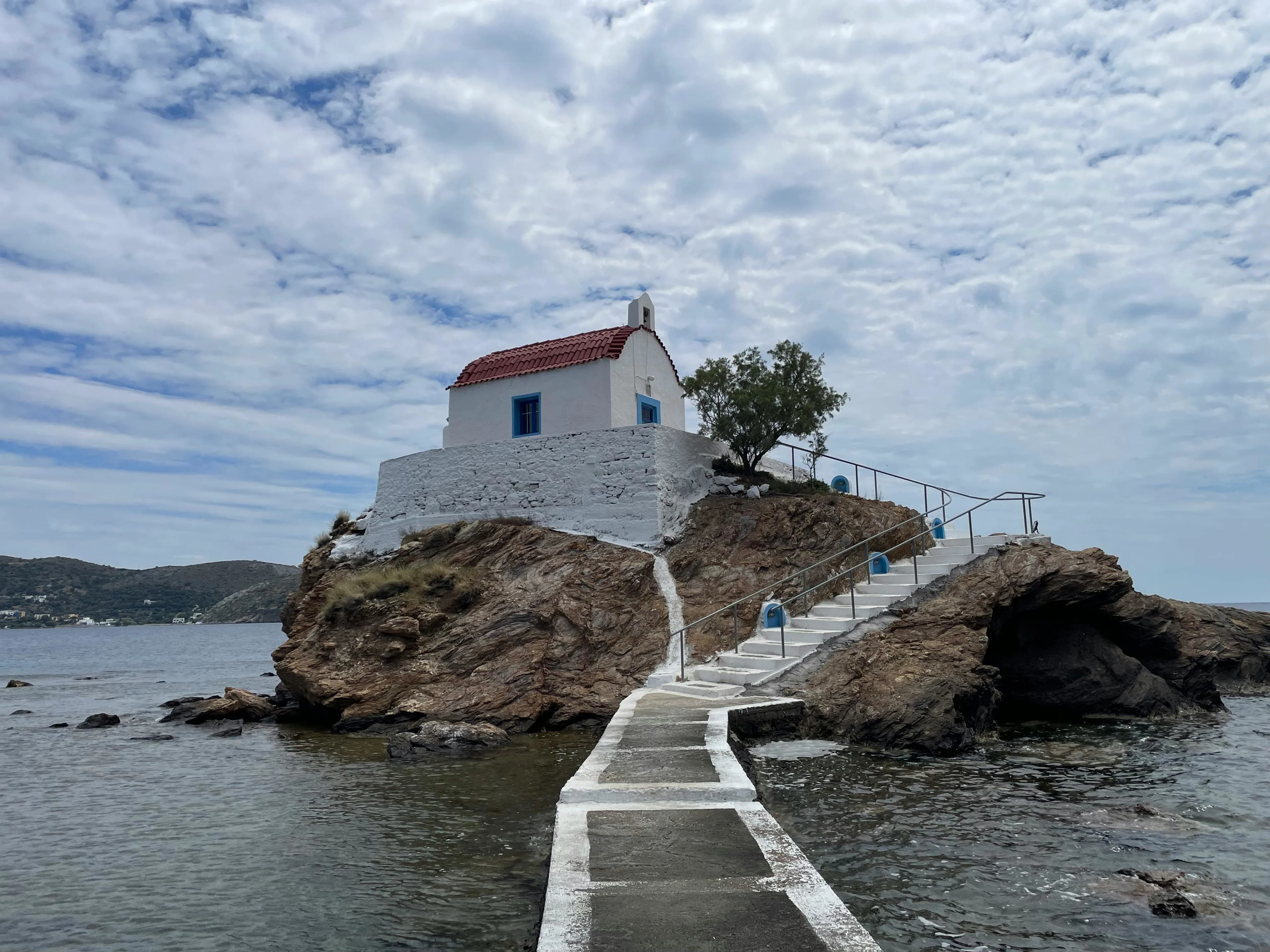
Afternoon: Cross to Gourna on the west coast for soft, dark sand and very warm, shallow water—great for children and beach games. Make a quick photo stop at nearby Agios Isidoros, the little church on a causeway, and time your return to the beach for golden-hour light.
Evening: Stay put for sunset at Gourna—bring a light jumper if a breeze picks up—and then dine at a beachfront taverna with your toes in the sand. Buses thin out after dinner; pre-book a taxi if you’re not driving.
Tips threaded through the days
Sunbeds are often free if you eat at the host taverna; otherwise expect €7–€15 per set. It’s polite to order something if you use their shade.
With meltemi (strong northerlies, mainly July–August), favour the eastern and southern bays (Alinda, Panteli, Vromolithos, Xirokampos); avoid exposed northern coves.
Pebble entries keep the water exceptionally clear—sea shoes help. Watch for sea urchins near rocks, and reapply high-factor sunscreen after every swim.
Rhodes–Leros: ~3.5–6 hours.
Patmos–Leros: ~40–90 minutes.
Samos (Pythagoreio/Vathi)–Leros: ~2–4.5 hours.
Main operators: Blue Star Ferries (conventional ferries; carry vehicles) and Dodekanisos Seaways (high‑speed catamarans; usually foot passengers only). Book early in peak season.
Local shuttle: seasonal small boats link Kalymnos and Leros (often Xirokampos–Kalymnos), ~20–35 minutes, multiple daily when weather permits.
By Train
No train access to islands. For ferries, use rail/metro to Piraeus in Athens (then sail to Leros). From Thessaloniki and other cities, trains connect to Athens for onward ferry travel.
By Bus
No direct bus to Leros. Use KTEL or urban transport to reach ferry ports (Piraeus, or ports on Kos/Rhodes/Samos) for onward sailings to Leros. In Athens, buses/metro run to Piraeus.
By Car
You cannot drive to Leros; take a vehicle ferry (primarily Blue Star) from Piraeus or neighbouring islands. Reserve vehicle spaces well in advance in July–August.
High‑speed boats typically do not take cars.
Car hire is available on Leros; roads are mostly paved, with some unpaved access to remote coves.
Affiliate links help keep Savler free, at no extra cost to you.
Leros suits travellers seeking authentic Greek-island life, clear seas, and unhurried days on uncrowded, varied beaches. It’s an understated alternative—quieter than Rhodes and Kos—where WWII history, Italian-era Lakki, and working fishing villages sit beside superb swimming and snorkelling. Getting around by scooter, car or boat makes it easy to hop between organised beaches and wild coves.
History lovers: Explore WWII tunnels at the Leros War Museum in Merikia, the Byzantine castle above Panteli, and the evocative Agia Kioura chapel painted by political exiles.
Scenery seekers: Trace an intricate coastline from photogenic Panteli beneath the castle to sunset-rich Gourna and tree-shaded Blefoutis.
Active travellers: Hike emerging coastal paths, paddleboard calm bays, and rent a small boat to reach hidden coves like Kryfos for top-notch snorkelling.
Families: Count on gentle, shallow waters at Alinda and Gourna, organised sections with shade, and laid-back tavernas right on the beach.
Foodies: Savour just-landed seafood at Panteli’s waterfront tables and long, simple lunches under tamarisks at Blefoutis.
Divers & snorkellers: Enjoy exceptional visibility and guided dives to WWII wrecks, with centres around Xirokampos and superb shore snorkelling across the island.
On Leros, food is inseparable from the sea: the daily catch goes straight from caiques to the grill. Expect unfussy, seasonal plates and almond-based drinks, eaten slowly in the shade or right on the pebbles. Most flavours are found at waterfront tavernas, casual cafés, and sunset ouzeris.
Grilled day‑boat fish – line-caught bream, dentex or squid, simply grilled with olive oil, lemon and oregano, with sides of horta. Best savoured at waterfront tavernas in Panteli where tables sit on the pebbles and boats bob a few metres away.
Koliós pastós (pickled mackerel) – lightly salted mackerel dressed with olive oil, vinegar and herbs; a classic meze to share. Find it in ouzeris and old‑school kafeneia around Agia Marina and Alinda, paired with ouzo and easy conversation.
Chargrilled sun‑dried octopus – tentacles dried in the Aegean breeze, then seared for a smoky, tender bite. A staple of beachside tavernas from Vromolithos to Alinda; salty‑air, feet‑in‑sand dining with cold beer.
Soumáda (almond syrup drink) – a refreshing, non‑alcoholic cooler mixed with iced water for hot afternoons. Sipped in village cafés during the evening vóLta, or picked up from bakeries and sweet shops.