Share Hamburg with friends and start planning your trip together.
How to get to Hamburg
Have a great tip for Hamburg or another alternative to popular destinations?
Share your thoughts on Hamburg or suggest another authentic alternative to popular destinations. Your tips help others rediscover their love of travelling - while giving popular destinations a little room to breathe.
Please help us keep all core features free to use by using these affiliate links!
Day 1: Water, brick and the harbour
Hamburg reveals itself best from the water and among its red‑brick canyons. Start with the old port heart, then ride the Elbe to feel the city’s maritime pulse before rounding off in St. Pauli’s legendary nightlife.
Morning: Take a tide‑dependent Fleetfahrt through the Speicherstadt and historic Fleete on a low barge; if tides don’t cooperate, walk the quarter instead, hitting Poggenmühlen‑Brücke for that postcard shot of Wasserschloss. Tip: book a Fleetfahrt specifically (not a general harbour tour) and ask about the tide window the day before.
Midday: Stroll the UNESCO Speicherstadt and the neighbouring Kontorhausviertel to admire Chilehaus and Sprinkenhof; grab lunch and a coffee at a roastery in Speicherstadt. If you’re with kids or a rail fan, Miniatur Wunderland is next door (pre‑book to avoid queues).
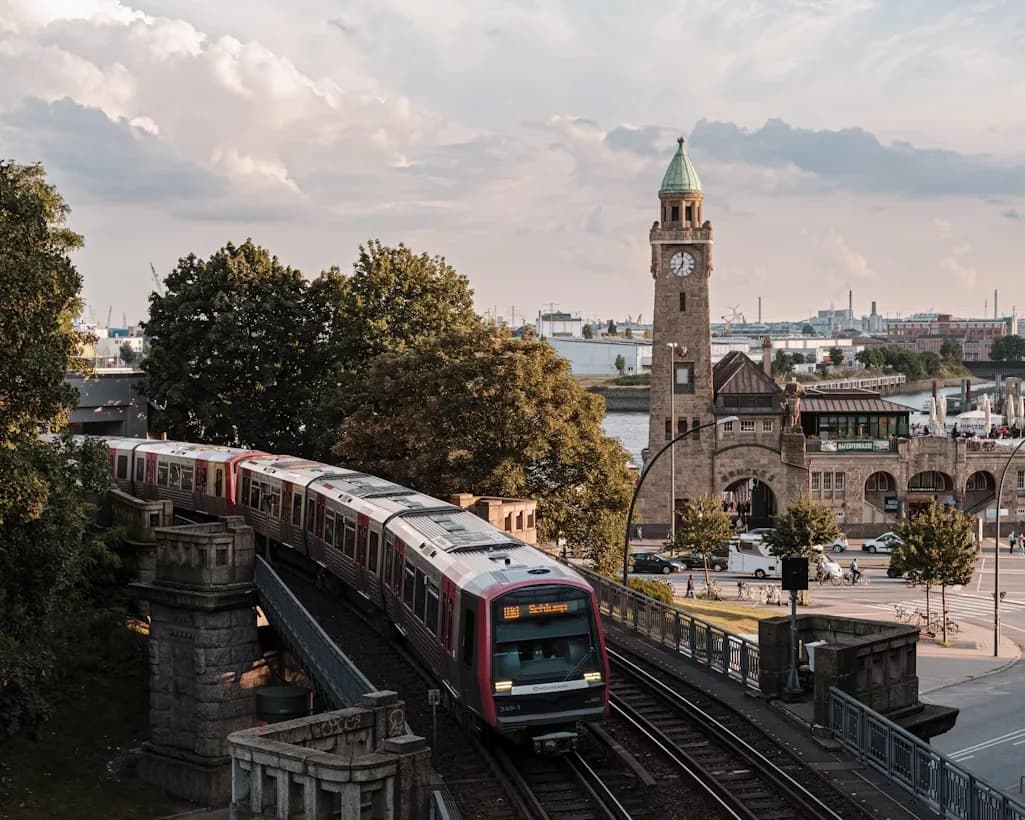
Afternoon: Pre‑book timed entry to the Elbphilharmonie Plaza for city and river views, then wander HafenCity’s promenades towards Überseequartier. From Landungsbrücken, hop on HVV ferry 62 (public transport) for a budget “cruise” to Finkenwerder and back; bring a windproof layer even in summer.
Evening: Eat around St. Pauli (from fish sandwiches to modern bistros), then sample pub culture at a classic Kneipe like Zum Silbersack or catch forward‑thinking sounds at Golden Pudel Club. Weekends are lively; on weeknights, side streets off the Reeperbahn feel more local—keep an eye on your belongings in crowds.
Day 2: Art, Alster and city life
Today mixes world‑class art with lakeside calm and a taste of Hamburg’s elegant shopping streets. You’ll finish in green space with seasonal surprises.
Morning: Choose one anchor on the Kunstmeile: Hamburger Kunsthalle for Caspar David Friedrich and German modernism, or Museum für Kunst und Gewerbe for design and Jugendstil. Tip: the 3‑day Kunstmeile Pass is great value if you’ll visit more than one.
By Air
Hamburg Airport (HAM, “Helmut Schmidt”), 8–9 km north of the centre.
S-Bahn S1 runs every 10 min to Hauptbahnhof in about 25 min (continue in the front car from Ohlsdorf; rear cars go to Poppenbüttel).
To Jungfernstieg ~28 min; to Altona ~35 min.
Taxi to central Hamburg typically 25–40 min depending on traffic.
Nearby alternatives:
Bremen (BRE): Tram 6 to Bremen Hbf (~11 min), then train to Hamburg (~1 hr); total ~1 hr 20–1 hr 30.
Hanover (HAJ): S-Bahn to Hannover Hbf (~17 min) + ICE to Hamburg (~1 hr 15); total ~2 hrs.
Berlin Brandenburg (BER): Airport express to Berlin Hbf (~30 min) + ICE to Hamburg (1 hr 45–2 hrs); total ~2–2.5 hrs.
By Train
Main stations: Hamburg Hauptbahnhof (central hub), Hamburg-Altona (major long-distance terminus), and Hamburg Dammtor (for CCH/exhibition).
Typical ICE/IC journey times (direct or very frequent):
Hamburg delivers big‑city culture and waterfront energy with fewer queues, more breathing room, and better value than Europe’s headline hotspots.
Maritime soul: A working port with style—UNESCO‑listed Speicherstadt, the shimmering Elbphilharmonie, and low‑profile canal boats under brick bridges; hop HVV ferries for harbour views and greet locals with a friendly “Moin”.
Neighbourhoods over spectacles: St. Pauli’s Kiez for live music and neon, Sternschanze/Karoviertel for indie shops and street art, Ottensen/Eppendorf for café culture, and Wilhelmsburg for fresh canals—authentic districts, fair prices, fewer crowds.
Green‑and‑blue breathing space: Jog or paddle the Alster, wander Planten un Blomen’s gardens and water‑light shows, or watch ships from the Elbe beaches at Övelgönne and Blankenese—room to linger without the bustle.
Local flavours & traditions: Grab a Fischbrötchen at the Landungsbrücken, sample craft beers in the Schanzenhöfe, browse the kilometre‑long Isemarkt, and time your trip for Hafengeburtstag’s tall ships—unfiltered Hamburg at great value.
If you love cities with water at their heart, layered history, and a creative edge, Hamburg is for you. This Hanseatic heavyweight blends UNESCO-listed brick beauty, world-class art and music, and canals galore with a relaxed, maritime vibe. It’s ideal for short city breaks, longer cultural deep-dives, and anyone who prefers harbours and lakes to landlocked squares.
History lovers: Explore the UNESCO-listed Speicherstadt and Kontorhausviertel, the poignant St. Nikolai memorial, and museums that chart the city from Hanseatic traders to modern greats.
Scenery seekers: Glide past Alster villas, Elbe beaches and red-brick canals; Hamburg boasts more bridges than Venice and views from the Elbphilharmonie Plaza.
Active travellers: Kayak or SUP the Alster canals, cycle the Green Rings, hike Blankenese’s Treppenviertel, and hop HVV ferries for harbour “cruises” on a transit ticket.
Culture vultures: From the Elbphilharmonie and Kunsthalle to Deichtorhallen, plus festivals like Reeperbahn and Elbjazz, the city punches at big-capital level.
Foodies: Snack on harbour-fresh Fischbrötchen, browse the epic Isemarkt, sip local craft brews, and dine waterside from the Portuguese Quarter to HafenCity.
Night owls: Dive into St. Pauli’s legendary pubs and live clubs, or chase cutting-edge beats at bunkered techno temples and the cult Golden Pudel.
These are the unmissable highlights of Hamburg. Use them to plan a first‑timer’s perfect trip.
Walk the UNESCO‑listed Speicherstadt and Brick Expressionist Kontorhausviertel to see canals, Chilehaus and glowing red‑brick bridges at golden hour.
Explore St. Pauli and the Reeperbahn’s legendary Kiez—dive bars, live music, and the working harbour on your doorstep.
Visit the Elbphilharmonie and HafenCity for sky‑high views and cutting‑edge waterfront architecture.
Take HVV Ferry 62 from Landungsbrücken past shipyards to Övelgönne for the best budget harbour cruise.
Hike the Elbe riverside to Blankenese’s Treppenviertel for hillside lanes, beach stops and big‑ship views.
These are the unmissable highlights of Hamburg. Use them to plan a first‑timer’s perfect trip.
Walk the UNESCO‑listed Speicherstadt and Brick Expressionist Kontorhausviertel to see canals, Chilehaus and glowing red‑brick bridges at golden hour.
Explore St. Pauli and the Reeperbahn’s legendary Kiez—dive bars, live music, and the working harbour on your doorstep.
Visit the Elbphilharmonie and HafenCity for sky‑high views and cutting‑edge waterfront architecture.
Take HVV Ferry 62 from Landungsbrücken past shipyards to Övelgönne for the best budget harbour cruise.
Hike the Elbe riverside to Blankenese’s Treppenviertel for hillside lanes, beach stops and big‑ship views.
Hamburg eats with the sea at its door: fresh fish, hearty sailor fare and sweet pastries fuel a city that works hard and relaxes by the water. Hanseatic simplicity meets global flavours from its coffee warehouses and markets, plus a no‑nonsense pub culture.
Fischbrötchen – A crusty roll stuffed with pickled herring, fried fish fillet or mackerel, onions, gherkins and remoulade. Best grabbed from harbour kiosks at Landungsbrücken or amid the clamour of the Sunday Fischmarkt.
Franzbrötchen – Hamburg’s buttery, cinnamon‑swirled pastry with flaky, caramelised layers. Savour in cosy cafés and bakeries around Sternschanze, Eimsbüttel and the city centre.
Labskaus – Classic sailor’s mash of corned beef, potato and beetroot, topped with a fried egg, gherkins and a rollmop. Settle into a traditional Kneipe near St. Pauli or the Speicherstadt for the full old‑port feel.
Astra & Alsterwasser – The local lager and its refreshing shandy cousin, perfect with a shot of Korn if you’re going native. Enjoy in lively neighbourhood bars and beer gardens, from the Reeperbahn to Ottensen.
Choosing where to stay in Hamburg is about the neighbourhood, not the hotel. Each area has its own pace, vibe and nightly soundtrack. Pick the base that matches how you like to explore.
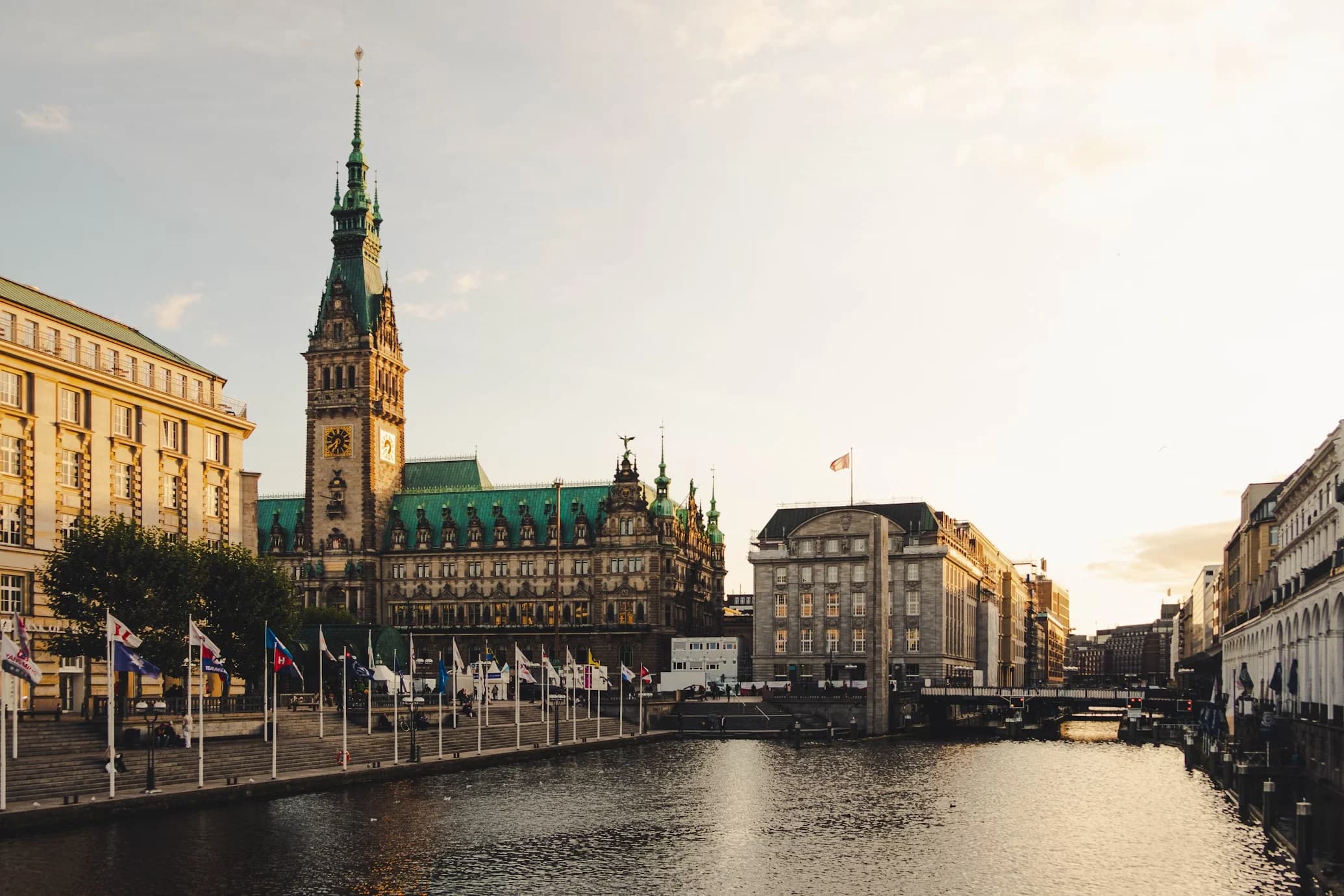
Altstadt/Neustadt — grand civic core by the Rathaus and Jungfernstieg; best for first‑timers who want sights, shopping and easy U/S‑Bahn links.
St. Pauli (Reeperbahn) — loud, neon and music‑driven with dive bars and venues; suits night owls and gig‑goers, not light sleepers.
Sternschanze/Karoviertel — bohemian streets, cafés and street art near Rote Flora; ideal for creatives, budget‑minded foodies and indie shops.
Eppendorf/Winterhude — leafy, elegant and close to the Alster and canals; perfect for families, runners and anyone after a calm, upscale base.
Choosing where to stay in Hamburg is about the neighbourhood, not the hotel. Each area has its own pace, vibe and nightly soundtrack. Pick the base that matches how you like to explore.
Altstadt/Neustadt — grand civic core by the Rathaus and Jungfernstieg; best for first‑timers who want sights, shopping and easy U/S‑Bahn links.
St. Pauli (Reeperbahn) — loud, neon and music‑driven with dive bars and venues; suits night owls and gig‑goers, not light sleepers.
Sternschanze/Karoviertel — bohemian streets, cafés and street art near Rote Flora; ideal for creatives, budget‑minded foodies and indie shops.
Eppendorf/Winterhude — leafy, elegant and close to the Alster and canals; perfect for families, runners and anyone after a calm, upscale base.
Travel in Hamburg is straightforward, with a compact centre, excellent public transport and clear signage. A few local details—like when crowds spike and how best to use ferries—make planning smoother and often cheaper.
Affordability: Casual meals run €12–20 and mid‑range dinners €30–50; mid‑range hotels are typically €120–200 per night (hostels €25–40), and while cards are widely accepted it’s smart to carry some cash for kiosks and markets.
Transport: The centre is walkable; the HVV network (U-/S‑Bahn, buses and harbour ferries) is fast and good value with day tickets, and easy train day trips to Lübeck or Lüneburg mean a car isn’t necessary.
Language: German is the main language, but English is widely understood in hotels, museums and restaurants—opening with a friendly “Moin” is appreciated.
Safety & comfort: Generally very safe and comfortable for families and solo travellers; guard against petty theft around the central station and Reeperbahn, stick to well‑lit streets late, and be mindful of fast bike lanes.
Crowds: Expect the most visitors May–September and in December (Christmas markets and big events like Hafengeburtstag/DOM); March–April and October–November are calmer shoulder seasons, while January–February are quietest but coldest.
Travel in Hamburg is straightforward, with a compact centre, excellent public transport and clear signage. A few local details—like when crowds spike and how best to use ferries—make planning smoother and often cheaper.
Affordability: Casual meals run €12–20 and mid‑range dinners €30–50; mid‑range hotels are typically €120–200 per night (hostels €25–40), and while cards are widely accepted it’s smart to carry some cash for kiosks and markets.
Transport: The centre is walkable; the HVV network (U-/S‑Bahn, buses and harbour ferries) is fast and good value with day tickets, and easy train day trips to Lübeck or Lüneburg mean a car isn’t necessary.
Language: German is the main language, but English is widely understood in hotels, museums and restaurants—opening with a friendly “Moin” is appreciated.
Safety & comfort: Generally very safe and comfortable for families and solo travellers; guard against petty theft around the central station and Reeperbahn, stick to well‑lit streets late, and be mindful of fast bike lanes.
Crowds: Expect the most visitors May–September and in December (Christmas markets and big events like Hafengeburtstag/DOM); March–April and October–November are calmer shoulder seasons, while January–February are quietest but coldest.
Seasonality in Hamburg swings from breezy, changeable springs and warm, lively summers to crisp, atmospheric winters. Weather can turn quickly year‑round; pack layers and a waterproof.
Shoulder Season (Apr–May & Sep–Oct): Mild to cool with frequent showers; manageable crowds; leafy canals and parks, rich cultural programme, and golden light for photos.
High Summer (Jun–Aug): Warm (around 20–27°C) but variable; the busiest time with festivals, outdoor dining and long evenings; a vibrant maritime buzz.
Winter (Nov–Feb): Cold, short days and bracing winds; thinner tourist numbers except during Advent; cosy pubs, Christmas markets, and moody Speicherstadt views.
Seasonality in Hamburg swings from breezy, changeable springs and warm, lively summers to crisp, atmospheric winters. Weather can turn quickly year‑round; pack layers and a waterproof.
Shoulder Season (Apr–May & Sep–Oct): Mild to cool with frequent showers; manageable crowds; leafy canals and parks, rich cultural programme, and golden light for photos.
High Summer (Jun–Aug): Warm (around 20–27°C) but variable; the busiest time with festivals, outdoor dining and long evenings; a vibrant maritime buzz.
Winter (Nov–Feb): Cold, short days and bracing winds; thinner tourist numbers except during Advent; cosy pubs, Christmas markets, and moody Speicherstadt views.
Midday: Head to the Außenalster for fresh air: walk or jog part of the 7.4 km loop, or rent a canoe/SUP in summer (stick to the right and give tour boats space); in cooler months ride an Alster steamer from Jungfernstieg. Lakeside kiosks make easy lunch stops with benches and views of sails and swans.
Afternoon: Browse Passagenviertel and Neuer Wall (window‑shop works too), then detour to Nikolaifleet and Deichstraße for the city’s oldest street frontages. If it’s raining, swap in Deichtorhallen for photography and contemporary art.
Evening: Unwind in Planten un Blomen: from May–Sept the free water‑light concerts start after dusk; in winter, the huge open‑air ice rink replaces them (skate hire on site). Later, head to Sternschanze for a relaxed dinner and craft beers at Altes Mädchen or a neighbourhood pub—perfect for a low‑key night.
Day 3: Elbe beaches, villa parks and village steps
Discover Hamburg’s western riverbank—beaches, stately parks, and the hillside lanes of Blankenese—before a sunset finale on the Elbe. If it’s a Sunday, start early at the Fish Market and fold breakfast into the plan.
Morning: Ride ferry 62 again to Övelgönne and wander the Museumshafen’s vintage tugs before a sandy walk along the Elbe beach. On Sundays (summer 5:00–9:30, winter 7:00–9:30), the Fish Market thumps with live music and breakfast inside the old auction hall—great after a late night or as a dawn adventure.
Midday: Continue riverside to Jenischpark for a picnic under grand trees and views of passing container ships; art lovers can visit Jenisch Haus or the Ernst Barlach Haus tucked inside the park. Alternatively, bus or S‑Bahn to Blankenese and fuel up before the stair workout.
Afternoon: Explore Blankenese’s Treppenviertel: climb narrow stairways between whitewashed houses for river panoramas and hidden cafés (wear good shoes). If you prefer something flatter, rent bikes and loop Wilhelmsburger Inselpark’s gardens and waterways, a legacy of the 2013 garden show.
Evening: Time sunset at the Dockland rooftop (free) for a wide Elbe outlook, then dine in Ottensen’s cosy streets—great for modern gastropubs and classic Kneipen alike. Fancy a finale? Check what’s on at the Elbphilharmonie or catch a harbourfront night view from Stintfang above Landungsbrücken.
Copenhagen ~4 hr 40–5 hrs (EC via Jutland).
Night trains:
ÖBB Nightjet to Vienna/Innsbruck/Zurich (seasonal patterns may apply).
SJ EuroNight to Stockholm (direct overnight, selected days/seasons).
By Coach/Bus
Central Bus Station (ZOB Hamburg) is next to Hauptbahnhof.
Major operator: FlixBus with frequent services to Berlin (~3–3.5 hrs), Bremen (~1.5–2 hrs), Copenhagen (~5–6 hrs), Amsterdam (~6–7 hrs), and many German cities.
By Car
Motorways:
A7 (north–south, Denmark/Flensburg ↔ Hannover); passes through the Elbtunnel (expect congestion at peaks).
A1 (Lübeck/Baltic coast ↔ Bremen/Ruhr).
A24 (to/from Berlin).
A23 (towards Schleswig/North Sea).
Notes:
No motorway tolls for private cars in Germany.
City-centre parking is limited/expensive; consider P+R and public transport.
Occasional local diesel restrictions exist on short street segments; follow on-street signage.
Affiliate links help keep Savler free, at no extra cost to you.
If you love cities with water at their heart, layered history, and a creative edge, Hamburg is for you. This Hanseatic heavyweight blends UNESCO-listed brick beauty, world-class art and music, and canals galore with a relaxed, maritime vibe. It’s ideal for short city breaks, longer cultural deep-dives, and anyone who prefers harbours and lakes to landlocked squares.
History lovers: Explore the UNESCO-listed Speicherstadt and Kontorhausviertel, the poignant St. Nikolai memorial, and museums that chart the city from Hanseatic traders to modern greats.
Scenery seekers: Glide past Alster villas, Elbe beaches and red-brick canals; Hamburg boasts more bridges than Venice and views from the Elbphilharmonie Plaza.
Active travellers: Kayak or SUP the Alster canals, cycle the Green Rings, hike Blankenese’s Treppenviertel, and hop HVV ferries for harbour “cruises” on a transit ticket.
Culture vultures: From the Elbphilharmonie and Kunsthalle to Deichtorhallen, plus festivals like Reeperbahn and Elbjazz, the city punches at big-capital level.
Foodies: Snack on harbour-fresh Fischbrötchen, browse the epic Isemarkt, sip local craft brews, and dine waterside from the Portuguese Quarter to HafenCity.
Night owls: Dive into St. Pauli’s legendary pubs and live clubs, or chase cutting-edge beats at bunkered techno temples and the cult Golden Pudel.
Hamburg eats with the sea at its door: fresh fish, hearty sailor fare and sweet pastries fuel a city that works hard and relaxes by the water. Hanseatic simplicity meets global flavours from its coffee warehouses and markets, plus a no‑nonsense pub culture.
Fischbrötchen – A crusty roll stuffed with pickled herring, fried fish fillet or mackerel, onions, gherkins and remoulade. Best grabbed from harbour kiosks at Landungsbrücken or amid the clamour of the Sunday Fischmarkt.
Franzbrötchen – Hamburg’s buttery, cinnamon‑swirled pastry with flaky, caramelised layers. Savour in cosy cafés and bakeries around Sternschanze, Eimsbüttel and the city centre.
Labskaus – Classic sailor’s mash of corned beef, potato and beetroot, topped with a fried egg, gherkins and a rollmop. Settle into a traditional Kneipe near St. Pauli or the Speicherstadt for the full old‑port feel.
Astra & Alsterwasser – The local lager and its refreshing shandy cousin, perfect with a shot of Korn if you’re going native. Enjoy in lively neighbourhood bars and beer gardens, from the Reeperbahn to Ottensen.