Share Graz with friends and start planning your trip together.
How to get to Graz
Have a great tip for Graz or another alternative to popular destinations?
Share your thoughts on Graz or suggest another authentic alternative to popular destinations. Your tips help others rediscover their love of travelling - while giving popular destinations a little room to breathe.
Please help us keep all core features free to use by using these affiliate links!
Day 1: Old town essentials and Schlossberg sunset
Ease into Graz with a slow wander through the UNESCO-listed centre. Today blends headline sights with hidden courtyards, ending on the hill that locals treat as their living room.
Morning: Start at Hauptplatz and amble up Herrengasse, ducking into the Landhaus courtyard before the crowds. Visit the Landeszeughaus (Styrian Armoury) – a guided tour brings the 32,000 weapons to life – then continue to the cathedral quarter for the Dom, the Landplagenbild fresco, and the Grazer Burg’s double spiral staircase. Coffee stop: a melange at a traditional café on Sackstraße; keep an eye out for open doors to peek into quiet Innenhöfe.
Midday: Cross to Kaiser-Josef-Platz farmers’ market (Mon–Sat mornings) for lunch on the go – try Käferbohnen salad with pumpkin seed oil or a Käsekrainer from a Würstelstand. Pop by the Opera House exterior, then time the Glockenspiel in Glockenspielplatz at 11:00 or 15:00. Tip: the Altstadtbim (free central tram section) is handy if your feet need a break.
Afternoon: Wander over the Mur via the Murinsel to the Kunsthaus; ride up to the Needle for the framed view of the Uhrturm. Explore Lend’s side streets and designer boutiques along Mariahilferstraße, then take an espresso with a panorama at the Kastner & Öhler rooftop café (Freiblick).
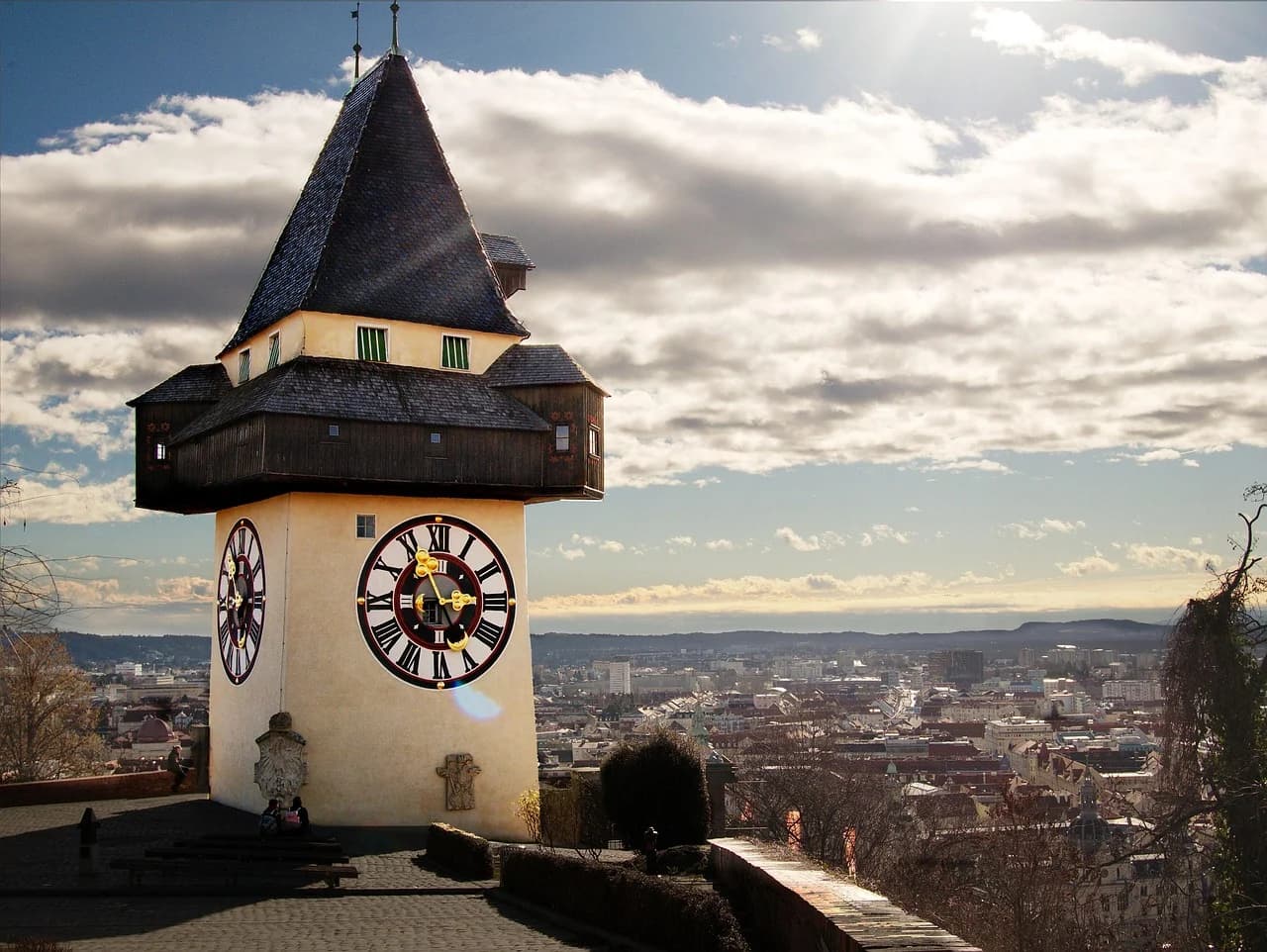
Evening: Climb the Kriegssteig steps (or take the funicular) to the Schlossberg for golden-hour views by the Uhrturm; linger as the city lights come on. Dine atop the hill (book ahead in summer and Advent), or descend for Styrian dishes in the Bermudadreieck squares. Seasonal note: in July/August La Strada fills the streets; in Advent the Landhaus ice nativity and Old Town markets make a magical night stroll.
Day 2: Palaces, peacocks, and performance
Today moves from baroque splendour to contemporary culture. Plan a relaxed pace: Graz rewards wandering and one great evening performance.
By Air
Graz Airport (GRZ), 10 km south of the centre. Transfer: S-Bahn (Flughafen Graz-Feldkirchen station, 3–5 min walk) to Graz Hauptbahnhof in about 12–15 min; or bus 630/631 to Jakominiplatz in about 20–25 min. Taxis take ~20 min.
Vienna International Airport (VIE), ~200 km. Trains (ÖBB) via Wien Hbf to Graz: typically 2 h 30–2 h 50 (some direct services may run; check timetable). Driving is ~2 h 15–2 h 30.
Ljubljana Airport (LJU), ~190 km. Driving ~2 h 15; bus/coach to Ljubljana then train/coach to Graz ~3–4 h.
Klagenfurt Airport (KLU), ~140 km. Bus to Klagenfurt Hbf + Koralmbahn train to Graz ~1 h 10–1 h 30 total (flight options limited).
By Train
Main station: Graz Hauptbahnhof (Graz Hbf), with tram/bus connections across the city.
Vienna (Wien Hbf) – Graz: Railjet/IC about 2 h 35, at least hourly.
Vienna Airport (via Wien Hbf): usually 2 h 30–2 h 50, 1 change (some direct services at select times).
Salzburg – Graz: ~3 h 45–4 h (1 change, usually Bischofshofen).
Linz – Graz: ~3 h (via Selzthal).
Maribor – Graz: ~1 h–1 h 30 (direct regional trains).
Ljubljana – Graz: ~3 h 30–4 h (1 change).
Munich – Graz: ~6 h (via Salzburg).
Budapest – Graz: ~5–6 h (via Vienna).
Overall vibe: A cultured, design-forward city with UNESCO heritage and a relaxed, student-fuelled rhythm—rich in experiences, light on crowds, and excellent value.
Mediterranean-tinged ease meets intellectual buzz: Renaissance courtyards, café terraces and bikes, the “Friendly Alien” Kunsthaus, and festivals from steirischer herbst to styriarte set a creative, curious tone.
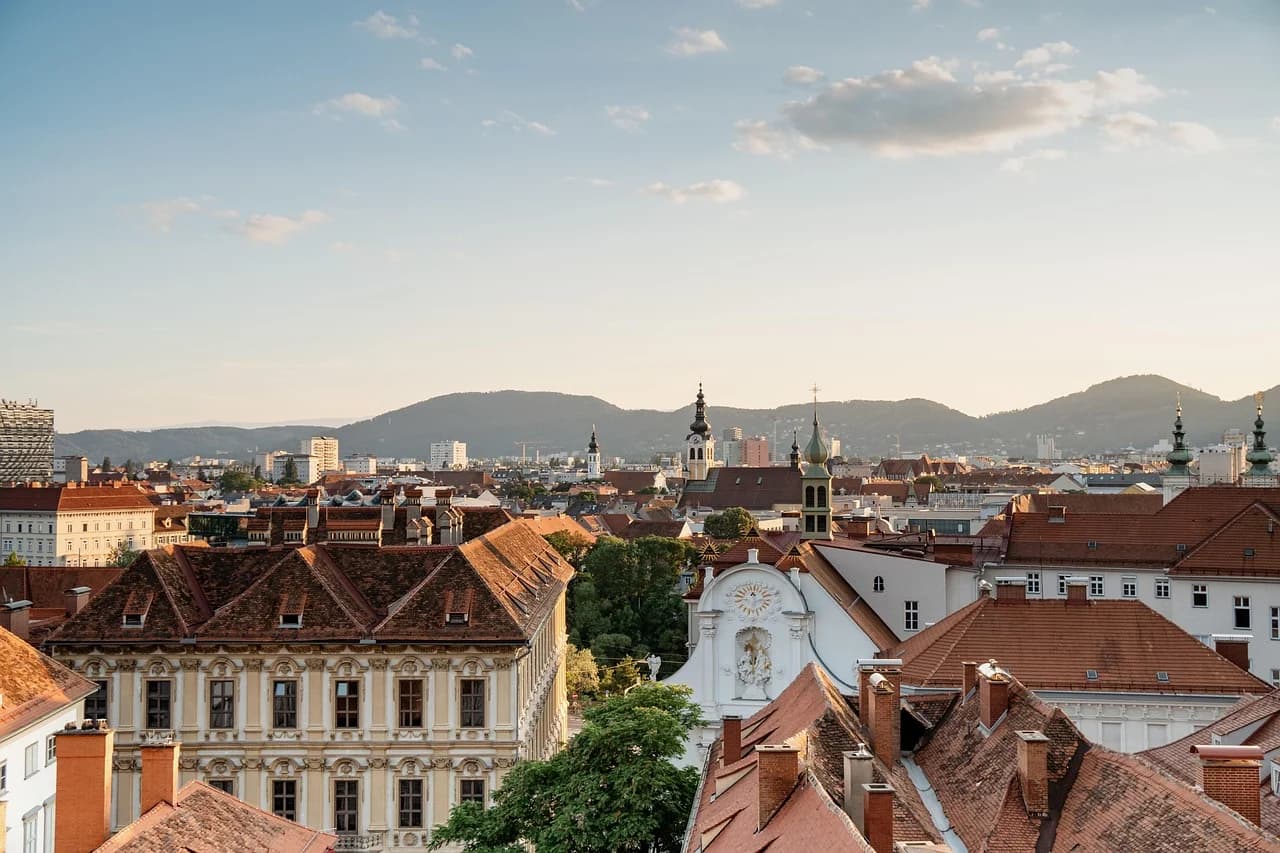
A calmer alternative to packed old towns: stroll the walkable Altstadt and hidden Innenhöfe, hop the free central tram, and claim viewpoints on the Schlossberg without queues—authentic, unhurried, genuinely lived-in.
Affordable culture and local flavour: cheap standing tickets at Oper Graz, farmers’ markets on Kaiser‑Josef‑Platz and Lendplatz, Styrian pumpkin‑seed oil (Kernöl), autumn Sturm, and rustic Buschenschank wine taverns in the surrounding hills.
Distinct neighbourhood character: cross the Mur to Lend and Gries for indie galleries and bars, then loop back to icons like the Uhrturm and UNESCO‑listed Schloss Eggenberg; visit in September for Aufsteirern when locals wear Tracht and the city feels purely Styrian.
Graz suits travellers who want a relaxed, design‑savvy city with serious history and a buzzing cultural calendar. It’s compact, walkable and beautifully preserved, yet constantly inventive, from street festivals to experimental art. Expect great value compared with Vienna or Salzburg, plus outstanding food and wine from Styria.
History lovers: Graz’s UNESCO-listed old town, hilltop Schlossberg with its Clock Tower, vast Styrian Armoury and princely Schloss Eggenberg bring five centuries vividly to life.
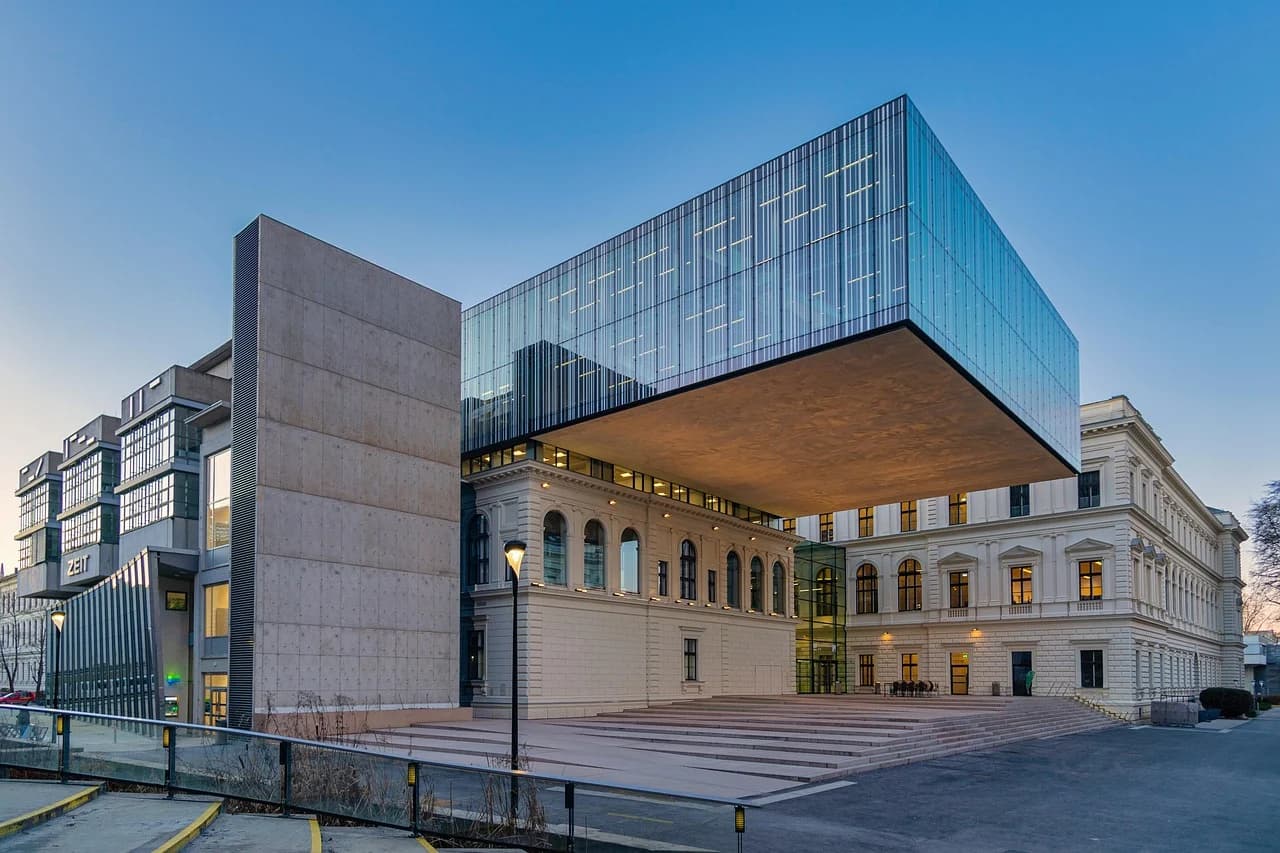
Architecture buffs: In Graz, Renaissance arcades and Baroque splendour meet the futuristic Kunsthaus and Murinsel—one of Europe’s clearest dialogues between past and present.
Culture vultures: Graz delivers year‑round festivals (steirischer herbst, Styriarte, La Strada, Elevate), top opera and bold theatre, all with easy access and keen pricing.
Foodies & wine fans: Graz is Austria’s “Capital of Delight”: feast on farmers’ markets, pumpkin‑seed oil and nearby Buschenschank wine taverns, often better value than Vienna.
Scenery seekers: Graz offers panoramic views from the Schlossberg, stylish rooftops and river Murinsel, plus day hikes to Plabutsch or cable‑car vistas on the Schöckl.
City‑breakers: Graz is compact, walkable and relaxed—ideal for 48 hours of cafés, courtyards and design shopping, with lower costs than Salzburg.
Graz suits travellers who want a relaxed, design‑savvy city with serious history and a buzzing cultural calendar. It’s compact, walkable and beautifully preserved, yet constantly inventive, from street festivals to experimental art. Expect great value compared with Vienna or Salzburg, plus outstanding food and wine from Styria.
History lovers: Graz’s UNESCO-listed old town, hilltop Schlossberg with its Clock Tower, vast Styrian Armoury and princely Schloss Eggenberg bring five centuries vividly to life.
Architecture buffs: In Graz, Renaissance arcades and Baroque splendour meet the futuristic Kunsthaus and Murinsel—one of Europe’s clearest dialogues between past and present.
Culture vultures: Graz delivers year‑round festivals (steirischer herbst, Styriarte, La Strada, Elevate), top opera and bold theatre, all with easy access and keen pricing.
Foodies & wine fans: Graz is Austria’s “Capital of Delight”: feast on farmers’ markets, pumpkin‑seed oil and nearby Buschenschank wine taverns, often better value than Vienna.
Scenery seekers: Graz offers panoramic views from the Schlossberg, stylish rooftops and river Murinsel, plus day hikes to Plabutsch or cable‑car vistas on the Schöckl.
City‑breakers: Graz is compact, walkable and relaxed—ideal for 48 hours of cafés, courtyards and design shopping, with lower costs than Salzburg.
Planning your time in Graz? These are the unmissable highlights that capture the city’s history, design and views.
Walk the UNESCO-listed Old Town, from Hauptplatz and Herrengasse to the arcaded Landhaus courtyards.
Explore the Schlossberg and its Uhrturm for sweeping roofscape panoramas and terrace cafés.
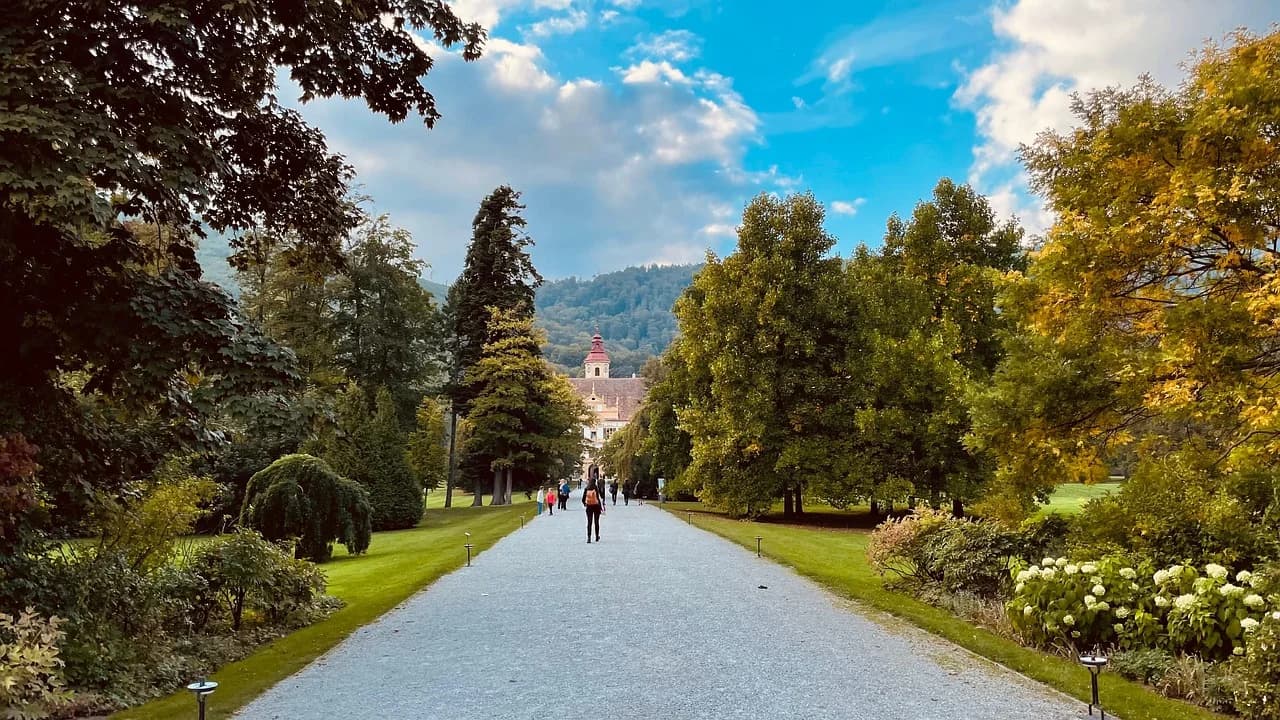
Visit Schloss Eggenberg’s baroque State Rooms and gardens, where peacocks roam a UNESCO palace park.
Take in the bold design of the Kunsthaus (“Friendly Alien”) and the river-floating Murinsel.
Hike to Ruine Gösting or along Plabutsch for sunset vistas across the city and Mur valley.
Planning your time in Graz? These are the unmissable highlights that capture the city’s history, design and views.
Walk the UNESCO-listed Old Town, from Hauptplatz and Herrengasse to the arcaded Landhaus courtyards.
Explore the Schlossberg and its Uhrturm for sweeping roofscape panoramas and terrace cafés.
Visit Schloss Eggenberg’s baroque State Rooms and gardens, where peacocks roam a UNESCO palace park.
Take in the bold design of the Kunsthaus (“Friendly Alien”) and the river-floating Murinsel.
Hike to Ruine Gösting or along Plabutsch for sunset vistas across the city and Mur valley.
Graz, Austria’s “Capital of Culinary Delights,” lives for great produce, bold flavours and a relaxed, Mediterranean‑tinged dining rhythm. Picture bustling farmers’ markets, hidden courtyard cafés and vine‑covered wine taverns in the hills. Here are the tastes locals swear by.
Styrian Backhendl – crisp fried chicken with lemon and potato salad; the region’s ultimate comfort dish. Best in cosy beisl or shady beer gardens around the old town.
Käferbohnensalat with Kernöl – creamy Styrian runner beans dressed with apple vinegar and dark pumpkin seed oil, often scattered with toasted seeds. Find it at farmers’ markets (Kaiser‑Josef‑Platz, Lendplatz) and traditional inns.
Brettljause at a Buschenschank – a wooden‑board feast of cured meats, mountain cheeses, spreads and freshly grated horseradish, with farmhouse bread and pickles, paired with the estate’s wine. Savour it in rustic hillside taverns just outside the centre.
Sturm & Spritzer (or Schilcher) – sip fizzy, fermenting young wine in autumn, or a refreshingly light white wine spritzer; Schilcher rosé is a local favourite. Enjoy at market stalls, courtyard bars and street‑side Schanigärten.
Choosing where to stay in Graz is about picking the vibe, not the hotel. Each area offers a different rhythm, from medieval lanes to creative quarters. Here’s how the main neighbourhoods compare.
Altstadt (Innere Stadt) — UNESCO‑listed core of cobbled lanes, courtyards and trams; best for first‑timers, history lovers and café‑hopping steps from sights.
Lend — creative, multicultural and street‑smart by the Mur/Kunsthaus; ideal for nightlife, indie shops and market breakfasts at Lendplatz.
Geidorf — leafy university quarter near Stadtpark and the Mur; suits quieter stays, joggers, families and longer visits with good cafés.
Gries — affordable, diverse and up‑and‑coming south of the centre; great for food explorers, tram links and a local, lived‑in feel.
Choosing where to stay in Graz is about picking the vibe, not the hotel. Each area offers a different rhythm, from medieval lanes to creative quarters. Here’s how the main neighbourhoods compare.
Altstadt (Innere Stadt) — UNESCO‑listed core of cobbled lanes, courtyards and trams; best for first‑timers, history lovers and café‑hopping steps from sights.
Lend — creative, multicultural and street‑smart by the Mur/Kunsthaus; ideal for nightlife, indie shops and market breakfasts at Lendplatz.
Geidorf — leafy university quarter near Stadtpark and the Mur; suits quieter stays, joggers, families and longer visits with good cafés.
Gries — affordable, diverse and up‑and‑coming south of the centre; great for food explorers, tram links and a local, lived‑in feel.
Travel in Graz is straightforward: the compact old town, clear transport, and friendly locals make it easy to settle in quickly. A few practical details on costs, getting around, and timing will help you plan with confidence.
Affordability: Expect €12–€20 for a casual main course, €3–€4 for coffee, mid‑range doubles €90–€160 (hostels €30–€50), and overall prices a touch lower than Vienna.
Transport: The centre is walkable; trams and buses cover everything else (cheap 24‑hour/weekly passes, free short hop through the old town), trains link easily to Vienna/Maribor and a car helps for Styrian wine country or Schöckl mountain.
Language: German is the main language, but English is widely understood—especially by students and in museums, restaurants, and hotels.
Safety & comfort: Graz is very safe for families and solo travellers; just watch for pickpockets at busy markets/festivals, mind silent trams in pedestrian zones, and wear good shoes for cobbles and the Schlossberg.
Crowds: Busiest in late June–August (Styriarte, La Strada), mid‑September (Aufsteirern), and Advent (late Nov–24 Dec); quieter in Jan–March (except festival weekends), with weekends and market mornings always livelier.
Travel in Graz is straightforward: the compact old town, clear transport, and friendly locals make it easy to settle in quickly. A few practical details on costs, getting around, and timing will help you plan with confidence.
Affordability: Expect €12–€20 for a casual main course, €3–€4 for coffee, mid‑range doubles €90–€160 (hostels €30–€50), and overall prices a touch lower than Vienna.
Transport: The centre is walkable; trams and buses cover everything else (cheap 24‑hour/weekly passes, free short hop through the old town), trains link easily to Vienna/Maribor and a car helps for Styrian wine country or Schöckl mountain.
Language: German is the main language, but English is widely understood—especially by students and in museums, restaurants, and hotels.
Safety & comfort: Graz is very safe for families and solo travellers; just watch for pickpockets at busy markets/festivals, mind silent trams in pedestrian zones, and wear good shoes for cobbles and the Schlossberg.
Crowds: Busiest in late June–August (Styriarte, La Strada), mid‑September (Aufsteirern), and Advent (late Nov–24 Dec); quieter in Jan–March (except festival weekends), with weekends and market mornings always livelier.
Seasonality in Graz is well balanced: spring and autumn bring mild weather and big cultural moments, summer is lively and outdoorsy, and winter glows with Advent markets. Plan around festivals if you like buzz—or avoid them for calmer streets and lower prices.
Spring (Apr–May): Mild, blossom-filled and relaxed; fewer crowds, café terraces reopen, and the student vibe is in full swing.
High Summer (Jun–Aug): Warm to hot and the busiest; long evenings, outdoor dining, and headline festivals (Styriarte, La Strada) energise the city.
Autumn & Advent (Sep–Dec): Golden days and harvest flavours with major festivals (Aufsteirern, steirischer herbst); late Nov–Dec turns cosy and festive with popular Christmas markets and weekend crowds.
Seasonality in Graz is well balanced: spring and autumn bring mild weather and big cultural moments, summer is lively and outdoorsy, and winter glows with Advent markets. Plan around festivals if you like buzz—or avoid them for calmer streets and lower prices.
Spring (Apr–May): Mild, blossom-filled and relaxed; fewer crowds, café terraces reopen, and the student vibe is in full swing.
High Summer (Jun–Aug): Warm to hot and the busiest; long evenings, outdoor dining, and headline festivals (Styriarte, La Strada) energise the city.
Autumn & Advent (Sep–Dec): Golden days and harvest flavours with major festivals (Aufsteirern, steirischer herbst); late Nov–Dec turns cosy and festive with popular Christmas markets and weekend crowds.
Morning: Tram 1 to Schloss Eggenberg (book State Rooms in advance; closed most Mondays off-season). Tour the Planetary Rooms, then roam the park among roaming peacocks; add the Alte Galerie or Archaeology Museum if you’re keen (a Joanneum ticket is good value). Tip: arrive for the first tour to enjoy quieter rooms and softer morning light.
Midday: Picnic in the palace park (bakery stop en route) or lunch back in town near the Stadtpark. If you like ecclesiastical gems, detour to the Leechkirche for a serene Gothic contrast; otherwise, linger over coffee and cake in the University quarter.
Afternoon: Choose a museum hour (Neue Galerie/History Museum) or chase more courtyards off Sporgasse and Hofgasse. Shop for design-forward souvenirs in Lend, then reset with a riverside stroll along the Murpromenade.
Evening: Go out Graz-style: opera at Oper Graz, a concert at Stefaniensaal, or jazz at Stockwerkjazz/Royal Garden Jazz Club. Tip: last-minute standing room at the opera can be excellent value; for theatre, check Schauspielhaus HAUS EINS/ZWEI. Spring–summer often brings open-air shows at the Kasematten; in late winter the Elevate Festival adds electronic music and discourse.
Day 3: Vistas, villages, or a castle hike
Your final day is for big views and a taste of Styrian countryside energy – without rushing. Pick one of the options below depending on mood and weather.
Morning: Option A (active): bus to Gösting and hike 25–30 mins to Ruine Gösting for sweeping Mur valley views. Option B (alpine): day-trip to the Schöckl cable car for 360° panoramas (take an extra layer; it’s cooler on top). Option C (bonus castle): if you have a car, Riegersburg’s cliff-top fortress and museums make a superb half-day.
Midday: Summit lunch (Schöckl) or a simple bite at the Gösting tavern (weekends in season); if you stayed in town, graze Lendplatz market. Back in Graz, grab a Spritzer and snack in a sunlit courtyard.
Afternoon: Return to town for one last Old Town loop: the Painted House on Herrengasse, a final courtyard safari, and a leisurely coffee stop. If it’s autumn (Sep–Oct), follow your nose to a Sturm stall (young wine) and roasted chestnuts; in Oct/Nov, KLANGLICHT turns nightfall into a light-and-sound playground.
Evening: Farewell evening in Gries/Lend – casual dinner and a nightcap, or catch a gig at p.p.c./Orpheum. Alternatively, taxi to a countryside Buschenschank (open spring–autumn) for a Brettljause at sunset and city lights on the way back. Practical notes: many museums close on Mondays; tap water is excellent; trams are frequent and safe, but cobbles call for comfy shoes.
By Coach/Bus
Long-distance operators (e.g., FlixBus) link Graz with Vienna, Vienna Airport, Ljubljana, Zagreb, Budapest, Munich and others.
Main stops: P+R Webling (city bus/tram to centre), Graz Hauptbahnhof (regional/selected long-distance), and occasional central stops (check ticket).
Typical times: Vienna 2 h 20–2 h 45; Vienna Airport ~2 h 30–3 h; Ljubljana ~2 h 45–3 h 15; Zagreb ~3 h 30–4 h 30; Budapest ~5 h; Munich ~6–7 h.
By Car
Motorways: A2 (Süd Autobahn) from Vienna/Klagenfurt/Italy; A9 (Pyhrn Autobahn) from Linz/Upper Austria to Slovenia (Spielfeld), both serving Graz.
Austrian motorway vignette required (buy at service stations or online). Usual city parking is in underground garages; convenient park-and-ride sites include Webling (south) and Fölling (north).
Affiliate links help keep Savler free, at no extra cost to you.
Graz, Austria’s “Capital of Culinary Delights,” lives for great produce, bold flavours and a relaxed, Mediterranean‑tinged dining rhythm. Picture bustling farmers’ markets, hidden courtyard cafés and vine‑covered wine taverns in the hills. Here are the tastes locals swear by.
Styrian Backhendl – crisp fried chicken with lemon and potato salad; the region’s ultimate comfort dish. Best in cosy beisl or shady beer gardens around the old town.
Käferbohnensalat with Kernöl – creamy Styrian runner beans dressed with apple vinegar and dark pumpkin seed oil, often scattered with toasted seeds. Find it at farmers’ markets (Kaiser‑Josef‑Platz, Lendplatz) and traditional inns.
Brettljause at a Buschenschank – a wooden‑board feast of cured meats, mountain cheeses, spreads and freshly grated horseradish, with farmhouse bread and pickles, paired with the estate’s wine. Savour it in rustic hillside taverns just outside the centre.
Sturm & Spritzer (or Schilcher) – sip fizzy, fermenting young wine in autumn, or a refreshingly light white wine spritzer; Schilcher rosé is a local favourite. Enjoy at market stalls, courtyard bars and street‑side Schanigärten.