Share Gdynia with friends and start planning your trip together.
How to get to Gdynia
Have a great tip for Gdynia or another alternative to popular destinations?
Share your thoughts on Gdynia or suggest another authentic alternative to popular destinations. Your tips help others rediscover their love of travelling - while giving popular destinations a little room to breathe.
Please help us keep all core features free to use by using these affiliate links!
Day 1: Seafront modernism and festival vibes
Wake to sea air and a skyline of clean-lined modernism. Today eases you into Gdynia’s coastal rhythm, with room to plug into whatever festival energy the season brings.
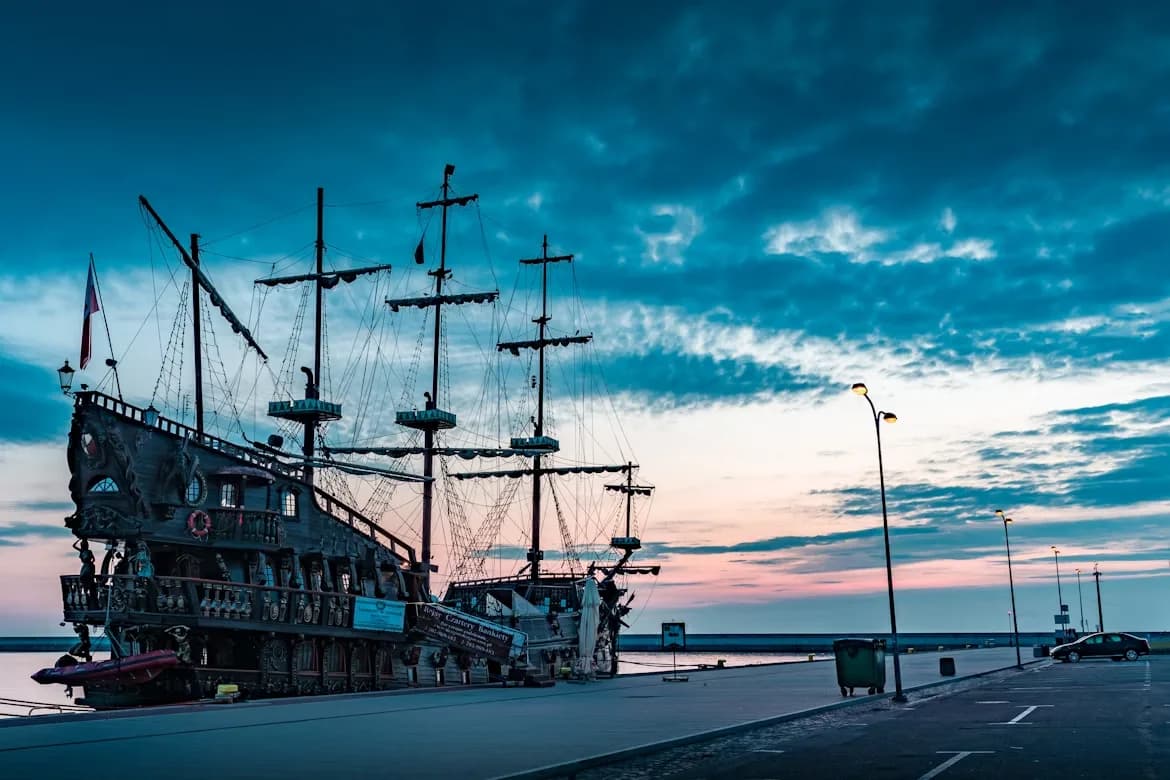
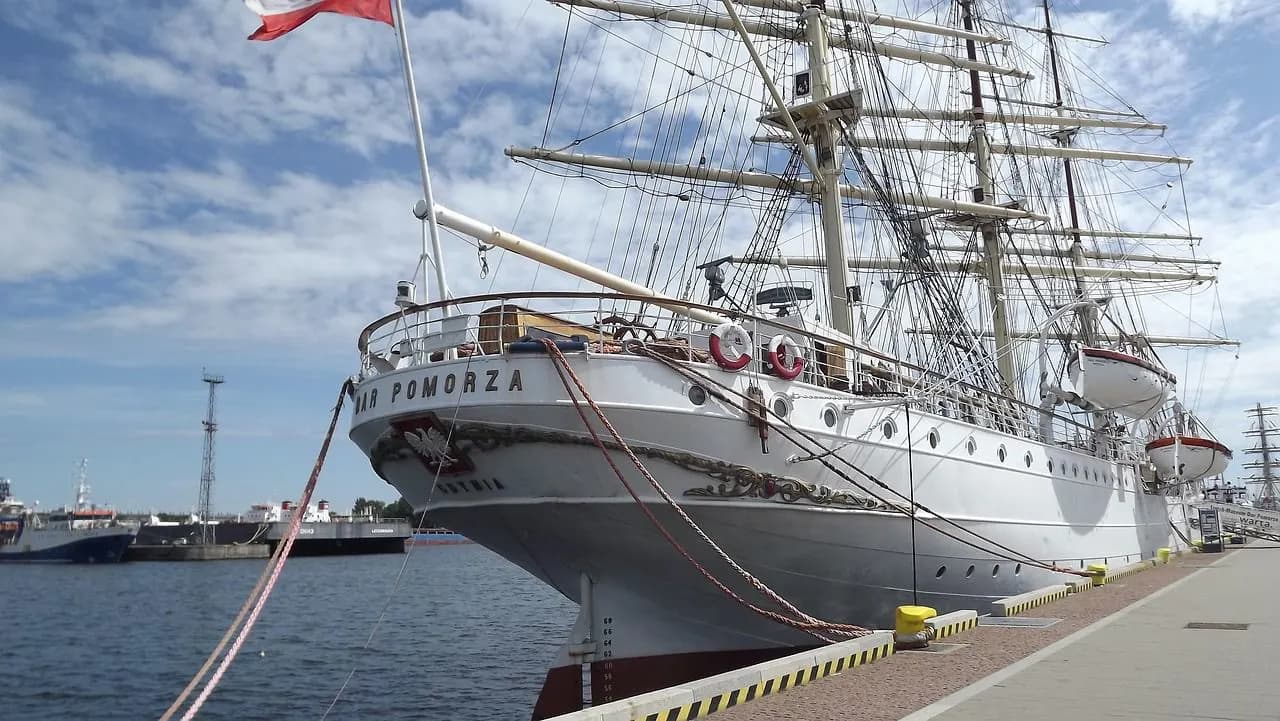
Morning: Stroll Skwer Kościuszki and the marina, then ride the Kamienna Góra funicular for a panoramic view of port and sea; if it’s breezy, bring a windproof layer. Pop into the museum ships at the quay if you’re keen on maritime history.
Midday: Walk the Bulwar Nadmorski towards Redłowo for beachside lunch. If you’re here for Cudawianki (late June), join the free wreath-weaving workshops along the promenade and keep your creation for the evening.
Afternoon: Head to the Pomeranian Science and Technology Park for Gdynia Design Days (early July) exhibitions and talks; otherwise, take a self-guided modernist architecture walk along ulica 10 Lutego and Starowiejska (most façades look best in soft afternoon light).
Evening: Settle on the city beach for sunset. In Open’er week, join the off-venue DJ sets and pop-up parties around the seafront; pack layers, as Baltic evenings can flip from warm to chilly fast.
Day 2: Cinema, culture and a festival night
Centre yourself around Plac Grunwaldzki, where Gdynia’s cultural heart beats loudest. Whether it’s film premieres or world-music rhythms, today pivots from screen to stage.
Morning: Start at the Gdynia Film Centre café; check the day’s listings. If it’s the Polish Film Festival (September), pre-book a competition screening; otherwise, catch an arthouse matinee or browse the galleries.
Midday: Wander to the Teatr Muzyczny area and people-watch around Plac Grunwaldzki; during festival week, this is prime (polite) celebrity-spotting territory. Grab lunch nearby before a harbour-side stroll.
By Air
Gdańsk Lech Wałęsa Airport (GDN) – approx. 25 km from Gdynia.
Train: PKM to Gdańsk Wrzeszcz, change to SKM to Gdynia Główna; 50–70 minutes total; departures every 10–20 minutes.
Taxi/ride‑hailing: 30–45 minutes off‑peak (longer in rush hour).
Alternatives:
Warsaw Chopin (WAW): fly then train to Gdynia via Warsaw Centralna; total journey 3.5–5 hours.
Berlin Brandenburg (BER): fly then train to Gdynia via Berlin Hbf/Poznań; 7–9 hours total.
By Train
Main station: Gdynia Główna (long‑distance PKP Intercity and regional SKM).
SKM suburban rail links the Tri‑City (Gdańsk–Sopot–Gdynia) every 6–10 minutes; Gdańsk Główny to Gdynia Główna takes ~35–40 minutes.
Typical journey times (direct or with 1 change):
Warsaw: 2 h 55–3 h 15 (EIP Pendolino); frequent daily.
Kraków: 5.5–6.5 h (often via Warsaw).
Poznań: 3.5–4.5 h (IC).
Wrocław: 5.5–7 h (usually 1 change).
Berlin: 6–8 h (usually via Poznań or Szczecin).
By Bus
A breezy Baltic city with modernist flair, Gdynia swaps the tourist crush for sea air, spacious beaches and big-name culture.
Vibe: Clean-lined modernism meets maritime energy; stroll Bulwar Nadmorski, watch ship traffic from Skwer Kościuszki, and catch golden-hour views from Kamienna Góra.
Culture: Stadium-scale yet human: Open’er on the Gdynia–Kosakowo airfield, the Polish Film Festival around Plac Grunwaldzki and the Gdynia Film Centre, plus Gdynia Design Days at PPNT and seaside Cudawianki—headline moments without the heaving crowds.
Authenticity: Everyday city life over staged attractions—pop into satellite design installations on Starowiejska, step aboard the museum ship Dar Pomorza, or picnic under old trees in Park Kolibki.
Value & ease: Great access and fair prices; beachside kiosks by the City Beach and relaxed bars replace queues and mark-ups, with green escapes along the Bulwar towards Redłowo when you want space.
Modern, maritime and festival‑mad, Gdynia is perfect for travellers who like culture served seaside. If you thrive on big‑ticket music and film alongside design, world‑music and family‑friendly beach events, you’ll feel right at home. Come for the headline festivals, stay for the modernist architecture, easy transport and Baltic freshness.
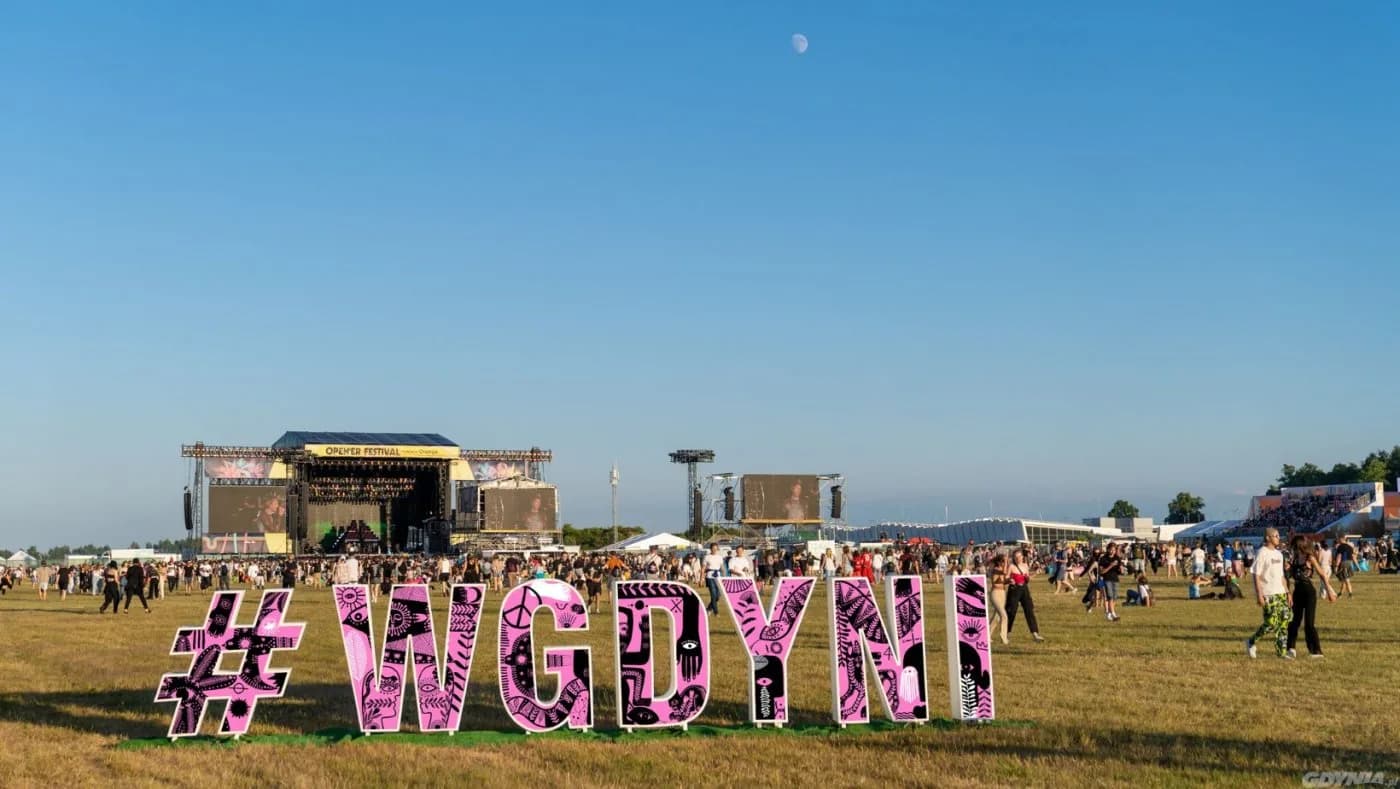
Music fans: Open’er turns the Gdynia‑Kosakowo airfield into a temporary city, delivering global headliners and Polish talent at one of Europe’s major music festivals.
Film buffs: At the Gdynia Film Festival, often dubbed Poland’s answer to Cannes, you can catch premieres, Q&As and star‑spotting around Plac Grunwaldzki.
Design & architecture lovers: Gdynia Design Days pairs thought‑provoking exhibitions at PPNT with walks among the city’s clean‑lined modernist icons.
Families: Cudawianki brings free beach concerts, wreath‑weaving and Baltic‑side fun, with plenty of kid‑friendly activities on the Bulwar Nadmorski.
Active travellers: Run, cycle or stroll the seaside boulevard and up Kamienna Góra for big‑sky views, then dip into festival zones without needing a car.
Culture & world‑music seekers: Globaltica in Park Kolibki mixes intimate stages under old trees with global sounds, perfect for a relaxed, eclectic weekend.
Gdynia is a modern Baltic city where festivals set the rhythm and culture spills onto the streets. Here are the unmissable highlights to feel its signature energy.
Walk the Bulwar Nadmorski during Cudawianki for free beach concerts and wreath‑weaving vibes.
Explore Open’er at the Gdynia–Kosakowo airfield, from the Main Stage to art, fashion and late‑night sets.
Visit the Gdynia Film Centre and Teatr Muzyczny around Plac Grunwaldzki during the Polish Film Festival for screenings and star‑spotting.
Take the dedicated festival bus from Gdynia Główna to Open’er to skip traffic and queues.
Hike up Kamienna Góra for panoramic port views before diving back into the city’s festival buzz.
Gdynia is a modern Baltic city where festivals set the rhythm and culture spills onto the streets. Here are the unmissable highlights to feel its signature energy.
Walk the Bulwar Nadmorski during Cudawianki for free beach concerts and wreath‑weaving vibes.
Explore Open’er at the Gdynia–Kosakowo airfield, from the Main Stage to art, fashion and late‑night sets.
Visit the Gdynia Film Centre and Teatr Muzyczny around Plac Grunwaldzki during the Polish Film Festival for screenings and star‑spotting.
Take the dedicated festival bus from Gdynia Główna to Open’er to skip traffic and queues.
Hike up Kamienna Góra for panoramic port views before diving back into the city’s festival buzz.
Gdynia’s food scene blends Baltic-fresh seafood with Kashubian comfort, served simply and seasonally. Expect beachside fry shacks, modern cafés, and a lively market vibe that peaks during festival weeks. Portions are generous, prices fair, and the sea is never far from your plate.
Śledź po kaszubsku – Classic herring in sweet–savoury tomato and onion, often with rye bread and pickles; best in cosy bistros and seaside bars with a lively, no‑nonsense vibe.
Zupa rybna – Hearty Baltic fish soup (cod or flounder) with dill and root veg, clear or tomato‑based; perfect in harbour taverns and market stalls for a warming, unfussy bowl.
Wędzona makrela – Warm smoked mackerel, flaky and rich with a squeeze of lemon; grab it at beachside smażalnie and pier kiosks for a proper seaside bite.
Tricity craft beer – Local IPAs, lagers and Baltic porters poured at marina‑side taps; ideal for an easy evening in relaxed pubs or buzzing festival bars.
Gdynia’s food scene blends Baltic-fresh seafood with Kashubian comfort, served simply and seasonally. Expect beachside fry shacks, modern cafés, and a lively market vibe that peaks during festival weeks. Portions are generous, prices fair, and the sea is never far from your plate.
Śledź po kaszubsku – Classic herring in sweet–savoury tomato and onion, often with rye bread and pickles; best in cosy bistros and seaside bars with a lively, no‑nonsense vibe.
Zupa rybna – Hearty Baltic fish soup (cod or flounder) with dill and root veg, clear or tomato‑based; perfect in harbour taverns and market stalls for a warming, unfussy bowl.
Wędzona makrela – Warm smoked mackerel, flaky and rich with a squeeze of lemon; grab it at beachside smażalnie and pier kiosks for a proper seaside bite.
Tricity craft beer – Local IPAs, lagers and Baltic porters poured at marina‑side taps; ideal for an easy evening in relaxed pubs or buzzing festival bars.
Choosing where to stay in Gdynia is about the neighbourhood vibe, not a specific hotel. Each area offers a different pace, scenery and access to sights and festivals. Pick a base that fits your style to maximise beach time and minimise commuting.
City Centre (Śródmieście) — Lively, walkable hub by the marina and city beach; ideal for first‑timers and night owls, steps from Plac Grunwaldzki (Film Festival) and Gdynia Główna for Open’er shuttle buses.
Kamienna Góra — Leafy hillside above the centre with panoramic views and a free funicular; quiet yet 10 minutes to the beach, perfect for couples, photographers and light sleepers.
Orłowo — Elegant seaside enclave with a wooden pier and cliff; slower pace and boutique villas suit relaxation, families and sunrise walkers.
Redłowo — Residential‑nature mix by Kępa Redłowska Reserve and quieter sands; great for hikers and cyclists, with quick SKM links to Sopot and Gdańsk.
Choosing where to stay in Gdynia is about the neighbourhood vibe, not a specific hotel. Each area offers a different pace, scenery and access to sights and festivals. Pick a base that fits your style to maximise beach time and minimise commuting.
City Centre (Śródmieście) — Lively, walkable hub by the marina and city beach; ideal for first‑timers and night owls, steps from Plac Grunwaldzki (Film Festival) and Gdynia Główna for Open’er shuttle buses.
Kamienna Góra — Leafy hillside above the centre with panoramic views and a free funicular; quiet yet 10 minutes to the beach, perfect for couples, photographers and light sleepers.
Orłowo — Elegant seaside enclave with a wooden pier and cliff; slower pace and boutique villas suit relaxation, families and sunrise walkers.
Redłowo — Residential‑nature mix by Kępa Redłowska Reserve and quieter sands; great for hikers and cyclists, with quick SKM links to Sopot and Gdańsk.
Travel to Gdynia is straightforward, with reliable links via Gdańsk airport and easy local transport once you arrive. A few planning details—especially around festival season and the changeable coastal weather—will make your trip smoother and better value.
Affordability: Generally good value by European standards; expect café lunches around 30–50 PLN, dinner mains 40–80 PLN, beers 10–18 PLN, and rooms from roughly 250–600 PLN (higher during late‑June/early‑July festivals).
Transport: The compact centre is walkable, with ZKM buses/trolleybuses and SKM trains for Tri‑City trips (Sopot, Gdańsk), PKM rail from Gdańsk airport to Gdynia Główna, car hire useful for Kashubia, and seasonal boats to the Hel Peninsula.
Language: Polish is the main language, but English is widely understood in hotels, restaurants and by younger locals, with many menus and ticketing sites available in English.
Safety & comfort: Gdynia is safe and friendly for families and solo travellers; use normal big‑city caution for petty theft in crowds (beaches, festivals) and pack layers and waterproofs for brisk Baltic winds and sudden showers.
Crowds: Busiest in late June–July (Open’er, beach season) with accommodation selling out early; September is lively but manageable during the Film Festival; November–March is quiet, cheaper and uncrowded.
Travel to Gdynia is straightforward, with reliable links via Gdańsk airport and easy local transport once you arrive. A few planning details—especially around festival season and the changeable coastal weather—will make your trip smoother and better value.
Affordability: Generally good value by European standards; expect café lunches around 30–50 PLN, dinner mains 40–80 PLN, beers 10–18 PLN, and rooms from roughly 250–600 PLN (higher during late‑June/early‑July festivals).
Transport: The compact centre is walkable, with ZKM buses/trolleybuses and SKM trains for Tri‑City trips (Sopot, Gdańsk), PKM rail from Gdańsk airport to Gdynia Główna, car hire useful for Kashubia, and seasonal boats to the Hel Peninsula.
Language: Polish is the main language, but English is widely understood in hotels, restaurants and by younger locals, with many menus and ticketing sites available in English.
Safety & comfort: Gdynia is safe and friendly for families and solo travellers; use normal big‑city caution for petty theft in crowds (beaches, festivals) and pack layers and waterproofs for brisk Baltic winds and sudden showers.
Crowds: Busiest in late June–July (Open’er, beach season) with accommodation selling out early; September is lively but manageable during the Film Festival; November–March is quiet, cheaper and uncrowded.
Seasonality in Gdynia is driven by Baltic weather and a festival-heavy calendar. Summers are mild-to-warm but changeable; winters are cold and blustery; spring and early autumn bring calmer travel with better value.
High Summer (late June–August): Mild to warm (around 18–24°C) with sun-and-shower mix; biggest crowds and higher prices; electric festival vibe (Open’er, Cudawianki, Gdynia Design Days).
Shoulder Season (May–June, September): Mild and changeable; manageable crowds and good availability; cultural buzz without the crush—especially during the Polish Film Festival in September.
Winter (November–March): Cold, windy, short days; minimal crowds and lowest prices; quiet seaside walks and cosy cafés, with a limited events calendar.
Seasonality in Gdynia is driven by Baltic weather and a festival-heavy calendar. Summers are mild-to-warm but changeable; winters are cold and blustery; spring and early autumn bring calmer travel with better value.
High Summer (late June–August): Mild to warm (around 18–24°C) with sun-and-shower mix; biggest crowds and higher prices; electric festival vibe (Open’er, Cudawianki, Gdynia Design Days).
Shoulder Season (May–June, September): Mild and changeable; manageable crowds and good availability; cultural buzz without the crush—especially during the Polish Film Festival in September.
Winter (November–March): Cold, windy, short days; minimal crowds and lowest prices; quiet seaside walks and cosy cafés, with a limited events calendar.
Afternoon: Make for Park Kolibki. If Globaltica is on (July), dive into concerts and workshops under the trees; if not, continue to Orłowo pier and cliff for a slower coastal walk (great photo light from mid-afternoon).
Evening: If it’s Open’er, ride the free festival buses from Gdynia Główna to the Gdynia-Kosakowo airfield (wear waterproofs and sturdy shoes; cashless payments on site). Not Open’er season? Opt for a concert at Konsulat Kultury or the Ladies’ Jazz Festival (July) for an intimate end to the day.
Day 3: Maritime stories and a slow farewell
Your final day blends seafaring heritage with design-forward browsing and unhurried coast time. Keep it flexible to follow the weather—and any festival extras.
Morning: If you’re here in early June, drop into the Maritime Science Festival at the Maritime University for hands-on workshops; otherwise, explore the historic waterfront and marine stations at your own pace.
Midday: Lunch by the water—fresh fish at Orłowo or casual beach bars near the boulevard. Warm day? Pack swimwear for a Baltic dip; cool day? Opt for a cosy café with sea views.
Afternoon: Browse local design pop-ups and studios along Starowiejska (during Gdynia Design Days, many satellite installations appear here). Alternatively, rent bikes for a relaxed ride along the seaside path.
Evening: Circle back to Plac Grunwaldzki—during the film festival, open-air screenings often pop up here. If festival season is in full swing, close with a final night set at Open’er or a Globaltica concert; otherwise, toast the trip at a marina bar and watch the harbour lights flicker to life.
Main station: Gdynia Dworzec Autobusowy (next to Gdynia Główna).
Operators include FlixBus and Polonus with direct routes to major Polish cities.
Typical journey times:
Warsaw: 5–6.5 h.
Kraków: 8–10 h (usually 1 change).
Berlin: 9–10 h (direct or 1 change).
By Ferry
Gdynia Ferry Terminal (ul. Polska 13, Port of Gdynia).
Stena Line: Gdynia–Karlskrona (Sweden), up to 2 sailings daily; crossing ~10.5–14 h; foot passengers and vehicles accepted.
By Car
From Warsaw: S7 north to Gdańsk, then S6 to Gdynia; 4–4.5 h (traffic dependent).
From Poznań: S5 to A1, then A1/S6; 3.5–4 h.
From Berlin: A11/A6 to Szczecin, then S6 along the coast; 6–7.5 h.
Notes: A1 (Gdańsk–Toruń section, “AmberOne”) is tolled for cars; winter and peak‑summer traffic can add significant delays in the Tri‑City.
Affiliate links help keep Savler free, at no extra cost to you.
Modern, maritime and festival‑mad, Gdynia is perfect for travellers who like culture served seaside. If you thrive on big‑ticket music and film alongside design, world‑music and family‑friendly beach events, you’ll feel right at home. Come for the headline festivals, stay for the modernist architecture, easy transport and Baltic freshness.
Music fans: Open’er turns the Gdynia‑Kosakowo airfield into a temporary city, delivering global headliners and Polish talent at one of Europe’s major music festivals.
Film buffs: At the Gdynia Film Festival, often dubbed Poland’s answer to Cannes, you can catch premieres, Q&As and star‑spotting around Plac Grunwaldzki.
Design & architecture lovers: Gdynia Design Days pairs thought‑provoking exhibitions at PPNT with walks among the city’s clean‑lined modernist icons.
Families: Cudawianki brings free beach concerts, wreath‑weaving and Baltic‑side fun, with plenty of kid‑friendly activities on the Bulwar Nadmorski.
Active travellers: Run, cycle or stroll the seaside boulevard and up Kamienna Góra for big‑sky views, then dip into festival zones without needing a car.
Culture & world‑music seekers: Globaltica in Park Kolibki mixes intimate stages under old trees with global sounds, perfect for a relaxed, eclectic weekend.