Share Almería with friends and start planning your trip together.
How to get to Almería
Have a great tip for Almería or another alternative to popular destinations?
Share your thoughts on Almería or suggest another authentic alternative to popular destinations. Your tips help others rediscover their love of travelling - while giving popular destinations a little room to breathe.
Please help us keep all core features free to use by using these affiliate links!
Sun-chasers, nature lovers, and culture-curious travellers will thrive in Almería, where wild Mediterranean coast meets desert drama. With year‑round sunshine and an unhurried Andalusian rhythm, it’s ideal for those who value the outdoors and authentic local life. Expect pristine coves, Moorish history, and tapas culture without the crowds.
History lovers: Explore the Moorish Alcazaba, lonely coastal watchtowers, and mining relics—layers of history bathed in constant sun.
Scenery seekers: Marvel at Cabo de Gata’s volcanic coves and the Tabernas Desert, Europe’s only true desert, glowing at golden hour.
Active travellers: Hike clifftop trails, kayak to hidden calas, and snorkel crystal waters—best in spring and autumn to dodge the sol de justicia.
Beach lovers: Swap resorts for wild sands like Mónsul, Genoveses, and Los Muertos, with naturist options at Vera Playa.
Foodies: Feast on seaside chiringuito grills and Almería’s famed tapas—often a free bite with every drink, better value than Costa del Sol crowds.
City-breakers: Stay in walkable city for the seaside promenade, evening paseo, film-and-photography vibes, and easy day trips to the park.
Day 1: Alcazaba, old town and the city seafront
Ease into Almería with history, tapas and the urban beach vibe. You’ll quickly feel the city’s rhythm: mornings for exploring, a long lunch and quiet mid-afternoon, then a lively evening paseo by the sea.
Morning: Walk up to the Alcazaba for panoramic views and cool, shaded patios; arrive at opening time for softer light and fewer people. Wander back via the old town, peeking into the cathedral and the central market for fruit, jamón and local tomatoes.
Midday: Long lunch near Puerta de Purchena or along Paseo de Almería; expect shutters down 14:00–17:00 as the city rests. In winter, choose a sunny terrace a la resolana; in summer, sit deep in the shade.
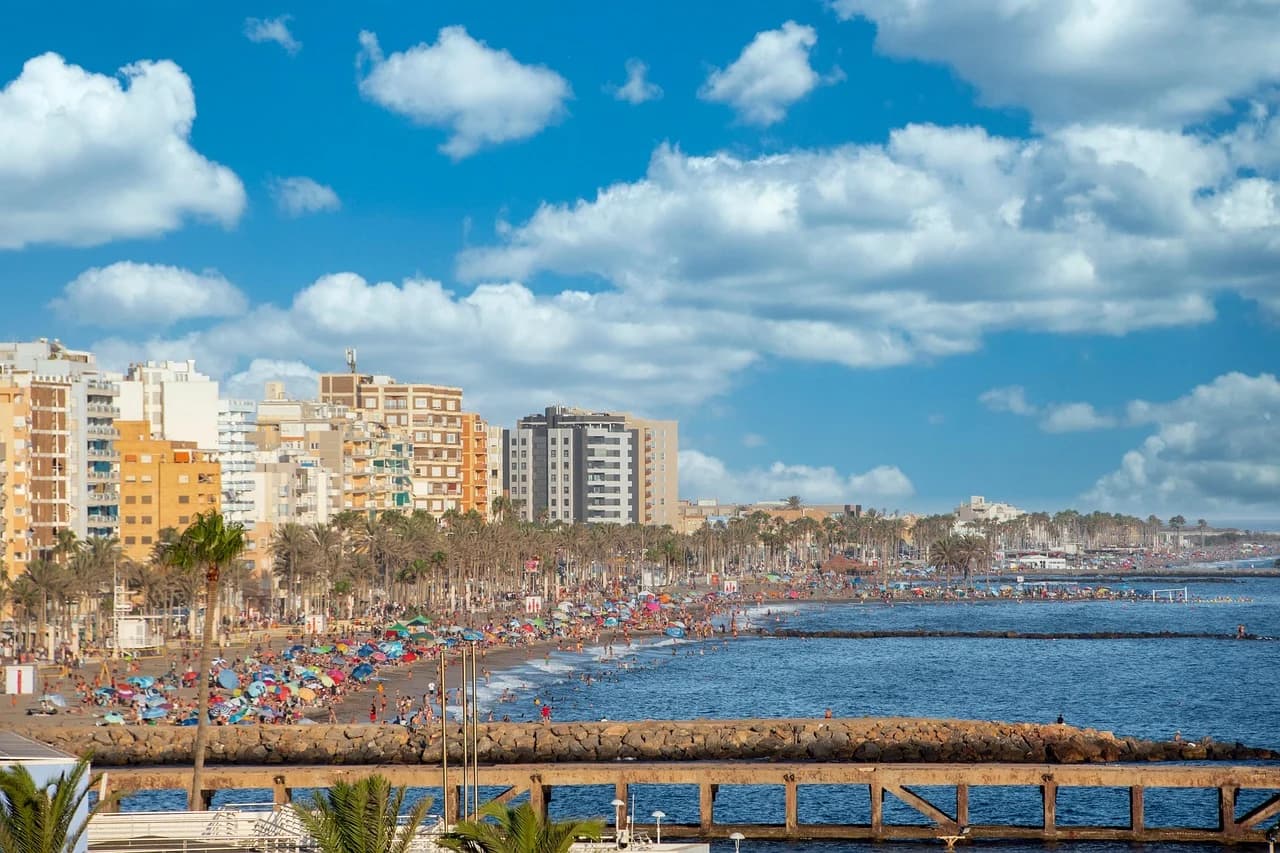
Afternoon: Hit Playa del Zapillo or El Palmeral for a gentle beach session and a chiringuito coffee or granizado; bring SPF 50, hat and sunglasses year-round. Note smoke-free zones at some city beaches and follow the lifeguard flags if you swim.
Evening: Do a tapas crawl (a caña comes with a tapa) along Calle Jovellanos and the seafront, then join the paseo on the promenade. Time your sunset for the breakwater or Cerro San Cristóbal for golden light over the harbour.
Day 2: Cabo de Gata – wild coves, volcanic cliffs and lighthouse sunset
Today is about the natural park’s raw beauty: sweeping bays, fossil dunes and crystal water. Start early, carry plenty of water (at least 2 litres per person), and plan around wind and summer access rules.
Morning: Drive to San José by 08:30 and choose between Genoveses (family-friendly, shallow bay) or Mónsul (iconic lava rock, darker sand). In peak summer, private car access is restricted; use the park-and-ride shuttle from San José and check the wind forecast (Levante can make exposed beaches harsh).
By Air
Almería Airport (LEI): ~9 km east of the city; 15–20 min by taxi/car. City bus Line 30 runs LEI ↔ city centre/Intermodal Station roughly every 20–30 min (about 25 min).
Routes: Year-round domestic (e.g., Madrid, Barcelona, Palma) plus seasonal European services (UK, Germany, Netherlands, Nordics). Check schedules outside summer.
Nearby alternatives:
Málaga (AGP): ~2–2.5 h by car via A‑7 (c. 220 km). Frequent onward coaches from Málaga bus station.
Granada-Jaén (GRX): ~1.5–2 h by car via A‑92/A‑7 (c. 165–175 km). Coaches from Granada bus station.
Región de Murcia–Corvera (RMU): ~2–2.5 h by car via A‑7 (c. 210–230 km). Coaches from Murcia bus station.
Alicante (ALC): ~3–3.5 h by car via A‑7 (c. 290–300 km). Coaches from Alicante bus station.
By Train
Station: Estación Intermodal de Almería (central; shared with the bus terminal).
Services: Renfe Media Distancia to/from Granada (approx 2 h 30–3 h), then AVE/Avlo/ALVIA onward to Madrid, Barcelona, etc. Typical Madrid–Almería journey via Granada is ~5.5–6.5 h. Limited/direct services may run on select dates—check Renfe for current timetables.
By Bus
Terminal: Estación Intermodal de Almería (central hub). Main operator: ALSA.
Almería is a sun‑drenched, crowd‑light Mediterranean province that swaps queues for quiet coves, Moorish ramparts and an easy, authentic pace.
Sunshine & scenery: Europe’s sunniest corner (3,000+ hours) delivers big skies over the volcanic shores of Cabo de Gata‑Níjar—think Playa de Mónsul, Los Genoveses and the film‑famous Tabernas Desert—with room to breathe year‑round.
Culture & rhythm: Moorish Almería centres on the hilltop Alcazaba, whitewashed villages like Níjar and Mojácar Pueblo, and the evening paseo along El Zapillo; beach bonfires for San Juan and the Virgen del Carmen procession keep traditions alive.
Beaches without the bustle: Instead of packed promenades and rows of sunbeds, find protected coves and wild strands—Arrecife de las Sirenas, Cala de Enmedio—often reached by a short trail or shuttle, with snorkel‑clear water and golden‑hour sunsets.
Tastes & value: Tapas with every drink, seaside chiringuitos grilling local fish, and market‑fresh produce from the “Sea of Plastic” greenhouses mean excellent quality‑to‑price—authentic flavour without the premium of blockbuster resorts.
Here are the unmissable highlights of Almería, distilled from in-depth local research. Use this quick-hit checklist to make the most of Europe’s sunniest province.
Walk the ramparts of the Alcazaba of Almería at sunset for sweeping views over the city and Mediterranean.
Explore Cabo de Gata’s pristine coves—Mónsul, Genoveses and El Playazo—for volcanic scenery and crystal-clear water.
Visit the Tabernas Desert and its classic Western film sets at Oasys MiniHollywood or Fort Bravo.
Take in sunrise at the Arrecife de las Sirenas by the Cabo de Gata lighthouse for unforgettable light and seascapes.
Hike to Cala de Enmedio or Playa de los Muertos for solitude, striking rock formations and turquoise seas.
Here are the unmissable highlights of Almería, distilled from in-depth local research. Use this quick-hit checklist to make the most of Europe’s sunniest province.
Walk the ramparts of the Alcazaba of Almería at sunset for sweeping views over the city and Mediterranean.
Explore Cabo de Gata’s pristine coves—Mónsul, Genoveses and El Playazo—for volcanic scenery and crystal-clear water.
Visit the Tabernas Desert and its classic Western film sets at Oasys MiniHollywood or Fort Bravo.
Take in sunrise at the Arrecife de las Sirenas by the Cabo de Gata lighthouse for unforgettable light and seascapes.
Hike to Cala de Enmedio or Playa de los Muertos for solitude, striking rock formations and turquoise seas.
Almería’s food culture is simple, sunny and sea-led, shaped by fresh produce from its greenhouses and coast. Expect a free tapa with most drinks, generous seafood, and pepper‑and‑olive oil‑rich flavours. Evenings revolve around tapas crawls, beach chiringuitos and bustling markets.
Gambas rojas de Garrucha – sweet scarlet prawns, simply grilled with sea salt; pricey but iconic. Best savoured at seaside chiringuitos or fish-focused bars along the promenade.
Ajo colorao – silky purée of potato, salt cod and ñora peppers finished with olive oil; a classic warm tapa. Find it in traditional tapas bars around the Mercado Central and old-town taverns.
Caña con tapa (the free‑tapa ritual) – order a small beer, vermouth or tinto de verano and choose your tapa from the chalkboard; it’s included in the price. Perfect for bar‑hopping through lively plazas and neighbourhood bars.
Cherigan – toasted mini‑baguette smeared with alioli and topped with tuna, ham or roasted veg; Almería’s signature bite. Ideal for a relaxed tapas crawl between cafés and terrazas.
Picking where to stay in Almería is about choosing the right base—urban culture, wild coves, or laid-back beach life. Each area has a distinct vibe, seasonality and logistics (car-free vs car essential, park access rules), so match your plans to the neighbourhood.
Almería City (Centro & El Zapillo) — Moorish Alcazaba, tapas-hopping and an urban beach on your doorstep; ideal for history and food lovers, short stays and travellers without a car.
San José (Cabo de Gata) — Gateway to Mónsul/Genoveses with hiking, snorkelling and big skies; best for nature-seekers and photographers (summer beach access by shuttle, quiet nights).
Mojácar (Pueblo & Playa) — Whitewashed hilltown charm plus a 17 km seafront with chiringuitos; suits mixed groups wanting easy beach days, family-friendly options and mild nightlife.
Agua Amarga & Las Negras — Small, bohemian villages near hidden coves (Cala de Enmedio, San Pedro); perfect for couples and slow travellers seeking boutique stays, calm waters and tranquillity.
Picking where to stay in Almería is about choosing the right base—urban culture, wild coves, or laid-back beach life. Each area has a distinct vibe, seasonality and logistics (car-free vs car essential, park access rules), so match your plans to the neighbourhood.
Almería City (Centro & El Zapillo) — Moorish Alcazaba, tapas-hopping and an urban beach on your doorstep; ideal for history and food lovers, short stays and travellers without a car.
San José (Cabo de Gata) — Gateway to Mónsul/Genoveses with hiking, snorkelling and big skies; best for nature-seekers and photographers (summer beach access by shuttle, quiet nights).
Mojácar (Pueblo & Playa) — Whitewashed hilltown charm plus a 17 km seafront with chiringuitos; suits mixed groups wanting easy beach days, family-friendly options and mild nightlife.
Agua Amarga & Las Negras — Small, bohemian villages near hidden coves (Cala de Enmedio, San Pedro); perfect for couples and slow travellers seeking boutique stays, calm waters and tranquillity.
Travelling to Almería is straightforward: the compact city, small airport and good roads make logistics easy. A few local quirks—siesta hours, strong sun and seasonal beach access rules—are worth knowing so you can plan smoothly.
Affordability: Good value by Spanish coastal standards—beer or soft drink with a free tapa is €2–€3, mains are typically €12–€20 (fish €15–€25), and mid‑range hotels are usually around €70–120 per night off‑season and €120–200 in summer (apartments often less outside peak).
Transport: The city and seafront are walkable; local buses cover the urban beaches, but a hire car is best for Cabo de Gata coves and the Tabernas Desert (summer shuttles run to Mónsul/Genoveses), with Almería Airport nearby, long‑distance coaches to Granada/Murcia, and ferries to Melilla/Nador for adventurous side trips.
Language: Spanish is the main language; English is understood in resort areas and by some younger locals, but expect limited English in villages—basic Spanish or a translation app helps.
Safety & comfort: Generally very safe for families and solo travellers; take normal petty‑theft precautions, but prioritise sun protection and hydration, watch for strong winds and currents (obey beach flags), and note occasional summer access controls or water‑saving measures like shower closures.
Crowds: Peak season is July–August (and Easter), when beaches and parking fill early and popular coves switch to shuttle access; May–June and September–October offer warm, sunny weather with fewer people, while winter is quiet, bright and ideal for hiking and photography.
Travelling to Almería is straightforward: the compact city, small airport and good roads make logistics easy. A few local quirks—siesta hours, strong sun and seasonal beach access rules—are worth knowing so you can plan smoothly.
Affordability: Good value by Spanish coastal standards—beer or soft drink with a free tapa is €2–€3, mains are typically €12–€20 (fish €15–€25), and mid‑range hotels are usually around €70–120 per night off‑season and €120–200 in summer (apartments often less outside peak).
Transport: The city and seafront are walkable; local buses cover the urban beaches, but a hire car is best for Cabo de Gata coves and the Tabernas Desert (summer shuttles run to Mónsul/Genoveses), with Almería Airport nearby, long‑distance coaches to Granada/Murcia, and ferries to Melilla/Nador for adventurous side trips.
Language: Spanish is the main language; English is understood in resort areas and by some younger locals, but expect limited English in villages—basic Spanish or a translation app helps.
Safety & comfort: Generally very safe for families and solo travellers; take normal petty‑theft precautions, but prioritise sun protection and hydration, watch for strong winds and currents (obey beach flags), and note occasional summer access controls or water‑saving measures like shower closures.
Crowds: Peak season is July–August (and Easter), when beaches and parking fill early and popular coves switch to shuttle access; May–June and September–October offer warm, sunny weather with fewer people, while winter is quiet, bright and ideal for hiking and photography.
With 3,000+ sunshine hours a year, Almería is genuinely year‑round; expect mild, golden winters, blazing summers, and the sweet spot in spring and early autumn. Plan around the wind (Levante/Poniente) and midday heat in summer.
Shoulder Season: Mar–May and Sep–Oct; warm, sunny (mid‑20s °C), lighter crowds, car access largely open in Cabo de Gata, ideal for hiking, photography and unhurried beach days.
High Summer: Jun–Aug; very hot (30–40°C) with extreme UV, busiest beaches (especially August) and access controls at marquee coves; lazy siestas by day, lively evenings by the sea.
Winter: Nov–Feb; bright, mild (16–20°C) and quiet with great value; some chiringuitos close and the sea is cool, but it’s perfect for walking, tapas‑hopping and sun‑soaked city breaks.
With 3,000+ sunshine hours a year, Almería is genuinely year‑round; expect mild, golden winters, blazing summers, and the sweet spot in spring and early autumn. Plan around the wind (Levante/Poniente) and midday heat in summer.
Shoulder Season: Mar–May and Sep–Oct; warm, sunny (mid‑20s °C), lighter crowds, car access largely open in Cabo de Gata, ideal for hiking, photography and unhurried beach days.
High Summer: Jun–Aug; very hot (30–40°C) with extreme UV, busiest beaches (especially August) and access controls at marquee coves; lazy siestas by day, lively evenings by the sea.
Winter: Nov–Feb; bright, mild (16–20°C) and quiet with great value; some chiringuitos close and the sea is cool, but it’s perfect for walking, tapas‑hopping and sun‑soaked city breaks.
Almería
Midday: Retreat to shade for lunch in San José or La Isleta del Moro (grilled fish is the move), or picnic under an umbrella on the beach. If you fancy a leg-stretcher, head towards Barronal’s quieter sands; wear sturdy sandals for hot, uneven paths.
Afternoon: Birdwatch at Las Salinas de Cabo de Gata from the hides (flamingos are regulars), then continue to the lighthouse. Photographers: the low sun rakes across the volcanic strata beautifully.
Evening: Watch golden hour at Arrecife de las Sirenas and linger for pastel skies; keep an extra layer handy as coastal evenings can feel breezy even in summer. Dine in San José or Las Negras—seafood rice and a cold cerveza on a terrace cap the day perfectly.
Day 3: Desert canyons and a dramatic coast (Tabernas + Carboneras/Mojácar)
Contrast the coast with Europe’s only true desert, then choose a cliff-backed beach or a white village for sunset. Keep an eye on conditions: avoid ramblas after storms and pick beaches based on the day’s wind.
Morning: Set off early for the Tabernas Desert; explore a short trail in a rambla (wide, dry gully) or visit a Western film set for a dose of cinema history. Wear closed shoes, sun protection and carry extra water—the sun feels fiercer inland.
Midday: Lunch in Tabernas town (migas, salads, grilled meats), then drive east to the coast. If it’s a Levante day, aim for a more sheltered cove; if calm, continue as planned.
Afternoon: For wild beauty, descend to Playa de los Muertos near Carboneras (15 minutes down/up; strong currents possible—obey flags). Prefer gentler access? Try El Playazo de Rodalquilar or Cala del Plomo; for hikers, Cala de Enmedio rewards a 30-minute walk with otherworldly white rock formations.
Evening: Sunset options: the clifftop mirador above Los Muertos for epic colour, or Mojácar Pueblo’s whitewashed alleys for views over the coast. Finish with a late dinner on Mojácar Playa or in Agua Amarga; in shoulder seasons, you’ll find quieter tables and warm evenings ideal for lingering.
Notes for all days:
Hydration and UV: the sun is strong even in winter; reapply sunscreen and wear a hat and quality sunglasses.
Rhythm: plan active stuff 08:00–12:30 and 18:30–sunset; use mid-afternoon to rest, museum-hop or enjoy a long sobremesa.
Sea and wind: always follow lifeguard flags; jellyfish can appear in late summer. Choose west-facing spots when the Levante blows, and vice versa for Poniente.
Typical direct coach times:
Granada: ~2–3 h
Málaga: ~3–4 h
Murcia: ~3–4 h
Alicante: ~4.5–5.5 h
Seville: ~5–6.5 h
Madrid: ~6–7.5 h
Valencia: ~6.5–7.5 h
Multiple daily departures; more frequent in peak season.
By Car
Main routes: A‑7 (Mediterranean motorway, toll‑free) along the coast; A‑92/A‑44 inland via Granada.
Approximate driving times:
Granada: 1 h 45–2 h (A‑92/A‑7)
Málaga: 2–2.5 h (A‑7)
Murcia: 2–2.5 h (A‑7)
Alicante: 3–3.5 h (A‑7)
Madrid: 5–5.5 h (A‑4/A‑44/A‑92 → A‑7)
Seville: 4.5–5.5 h (A‑92 → A‑7)
Parking is generally straightforward outside peak summer; city centre has paid zones and public car parks.
By Ferry
Port of Almería (near the centre; ~10–15 min walk from the Intermodal Station).
Regular services (seasonal variations) to Melilla (Spain) and North Africa (e.g., Nador, Oran, Ghazaouet). Typical crossings: ~6–8 h (Melilla/Nador) and ~9–11 h (Algeria). Operators and schedules vary—check current timetables.
Affiliate links help keep Savler free, at no extra cost to you.
Sun-chasers, nature lovers, and culture-curious travellers will thrive in Almería, where wild Mediterranean coast meets desert drama. With year‑round sunshine and an unhurried Andalusian rhythm, it’s ideal for those who value the outdoors and authentic local life. Expect pristine coves, Moorish history, and tapas culture without the crowds.
History lovers: Explore the Moorish Alcazaba, lonely coastal watchtowers, and mining relics—layers of history bathed in constant sun.
Scenery seekers: Marvel at Cabo de Gata’s volcanic coves and the Tabernas Desert, Europe’s only true desert, glowing at golden hour.
Active travellers: Hike clifftop trails, kayak to hidden calas, and snorkel crystal waters—best in spring and autumn to dodge the sol de justicia.
Beach lovers: Swap resorts for wild sands like Mónsul, Genoveses, and Los Muertos, with naturist options at Vera Playa.
Foodies: Feast on seaside chiringuito grills and Almería’s famed tapas—often a free bite with every drink, better value than Costa del Sol crowds.
City-breakers: Stay in walkable Almería city for the seaside promenade, evening paseo, film-and-photography vibes, and easy day trips to the park.
Almería’s food culture is simple, sunny and sea-led, shaped by fresh produce from its greenhouses and coast. Expect a free tapa with most drinks, generous seafood, and pepper‑and‑olive oil‑rich flavours. Evenings revolve around tapas crawls, beach chiringuitos and bustling markets.
Gambas rojas de Garrucha – sweet scarlet prawns, simply grilled with sea salt; pricey but iconic. Best savoured at seaside chiringuitos or fish-focused bars along the promenade.
Ajo colorao – silky purée of potato, salt cod and ñora peppers finished with olive oil; a classic warm tapa. Find it in traditional tapas bars around the Mercado Central and old-town taverns.
Caña con tapa (the free‑tapa ritual) – order a small beer, vermouth or tinto de verano and choose your tapa from the chalkboard; it’s included in the price. Perfect for bar‑hopping through lively plazas and neighbourhood bars.
Cherigan – toasted mini‑baguette smeared with alioli and topped with tuna, ham or roasted veg; Almería’s signature bite. Ideal for a relaxed tapas crawl between cafés and terrazas.